If You Can Hold a Wall Sit This Long After 50, Your Leg Strength Is Stronger Than 90% of Peers
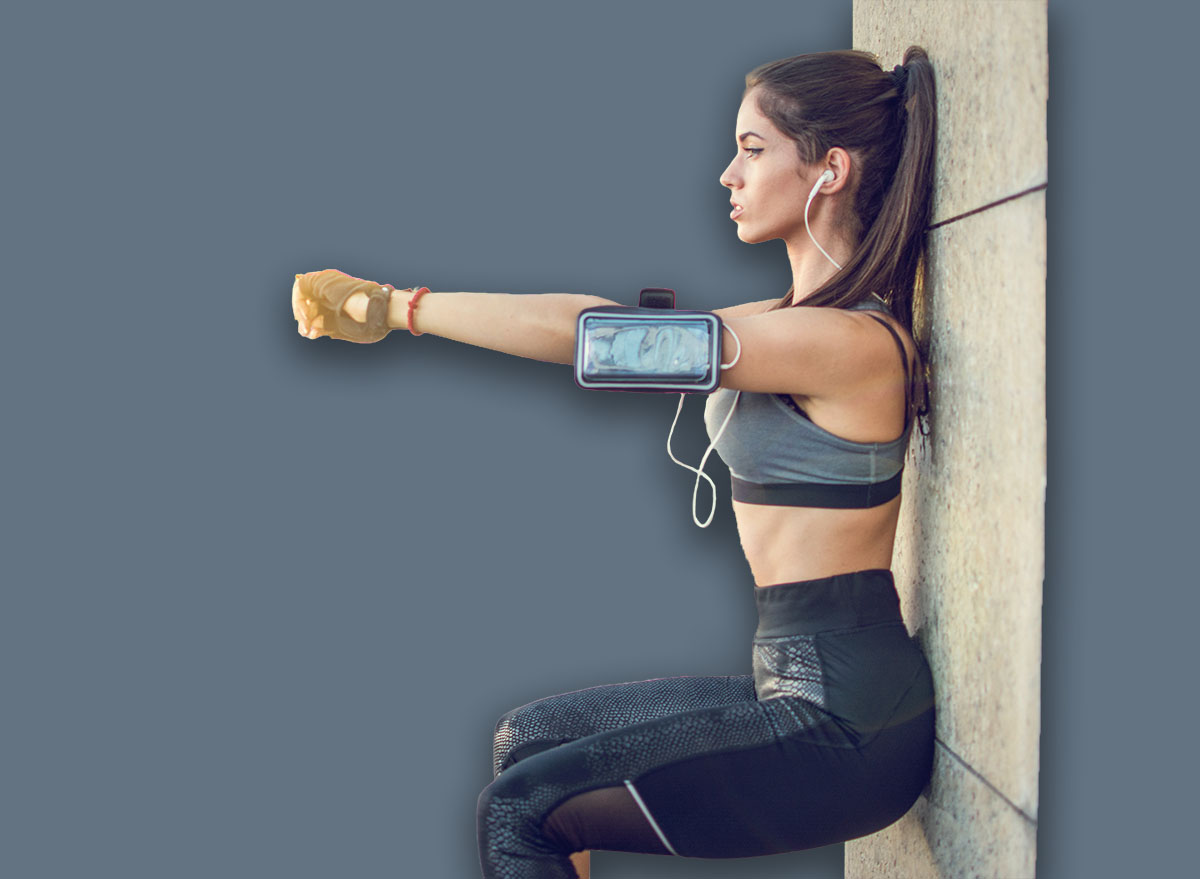

Leg strength after 50 plays a major role in how you move, feel, and perform during everyday life. It affects everything from climbing stairs and getting out of a chair to maintaining balance and preventing falls. I’ve worked with clients in this age group for years, and one thing becomes clear quickly, those who maintain strong legs tend to stay more active, independent, and confident in their movement. One of the simplest ways to measure that strength doesn’t require weights or equipment. It comes down to a single test: the wall sit.
The wall sit challenges the quads, glutes, and supporting muscles through sustained tension. Unlike traditional reps, where muscles contract and relax, this exercise forces the legs to stay engaged the entire time. That continuous effort makes it a powerful test of muscular endurance and strength.
Many people underestimate how quickly fatigue sets in during a wall sit. That’s not a weakness, it’s feedback. The shaking, the burn, and the urge to stand up all point to how hard your muscles are working to maintain the position.
If you want a clear, honest measure of your lower-body strength, this test delivers.
How to Perform the Wall Sit Properly
Proper form determines how accurate your result will be. I always remind clients that a shorter hold with strong positioning tells you more than a longer hold with poor alignment.
Stand with your back against a wall and slide down until your thighs are parallel to the floor. Your knees should stay directly above your ankles, not pushed forward. Keep your back flat against the wall and your core engaged.
Avoid resting your hands on your legs or leaning forward. Stay upright, breathe steadily, and hold the position as long as possible.
How to Do It
- Stand with your back against a wall
- Slide down until thighs are parallel
- Keep knees aligned over ankles
- Engage your core and stay upright
- Hold the position as long as possible.
What Your Time Means After 50
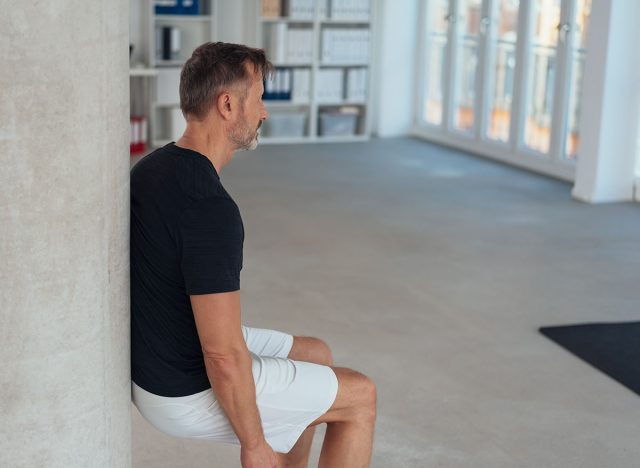
Your wall sit time reflects how well your legs handle sustained tension. Because this test relies on endurance and strength together, it gives a strong indication of real-world lower-body capability.
Here’s a general benchmark for adults over 50:
- Under 20 seconds: Strength needs improvement
- 20–40 seconds: Below average
- 40–60 seconds: Solid leg strength
- 60–90 seconds: Strong endurance and control
- 90+ seconds: Stronger than roughly 90% of peers
Holding a wall sit for 90 seconds or longer with proper form places you well above average. That level of strength typically reflects well-conditioned quads, strong glutes, and good muscular endurance.
How to Improve Your Wall Sit Time
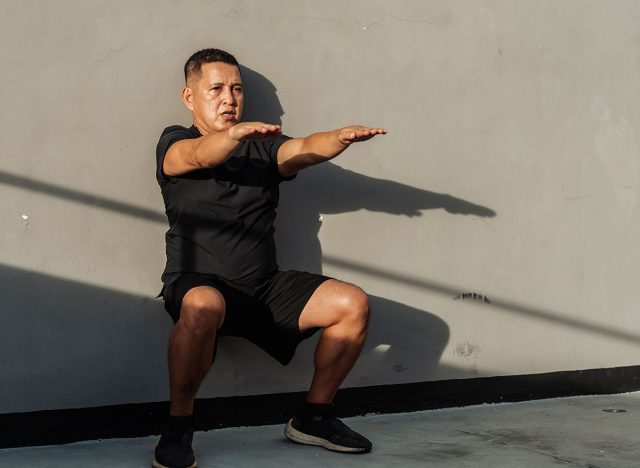
Improving your wall sit comes down to building endurance gradually while maintaining proper form. I’ve seen clients increase their hold time quickly by training in short, controlled intervals rather than pushing to failure every time.
Start by holding the position for 20–30 seconds and repeat for multiple rounds. Rest briefly between sets, then build up your total time under tension. This approach strengthens the muscles without overwhelming them.
Adding exercises like squats, step-backs, and calf raises helps support the muscles used in the wall sit. Strengthening those areas improves your ability to hold the position longer.
Focus on steady breathing and staying relaxed under tension. Over time, your legs adapt, fatigue sets in more slowly, and your wall sit time improves faster than expected.