6 Grocery Foods Experts Say You Shouldn’t Buy Right Now
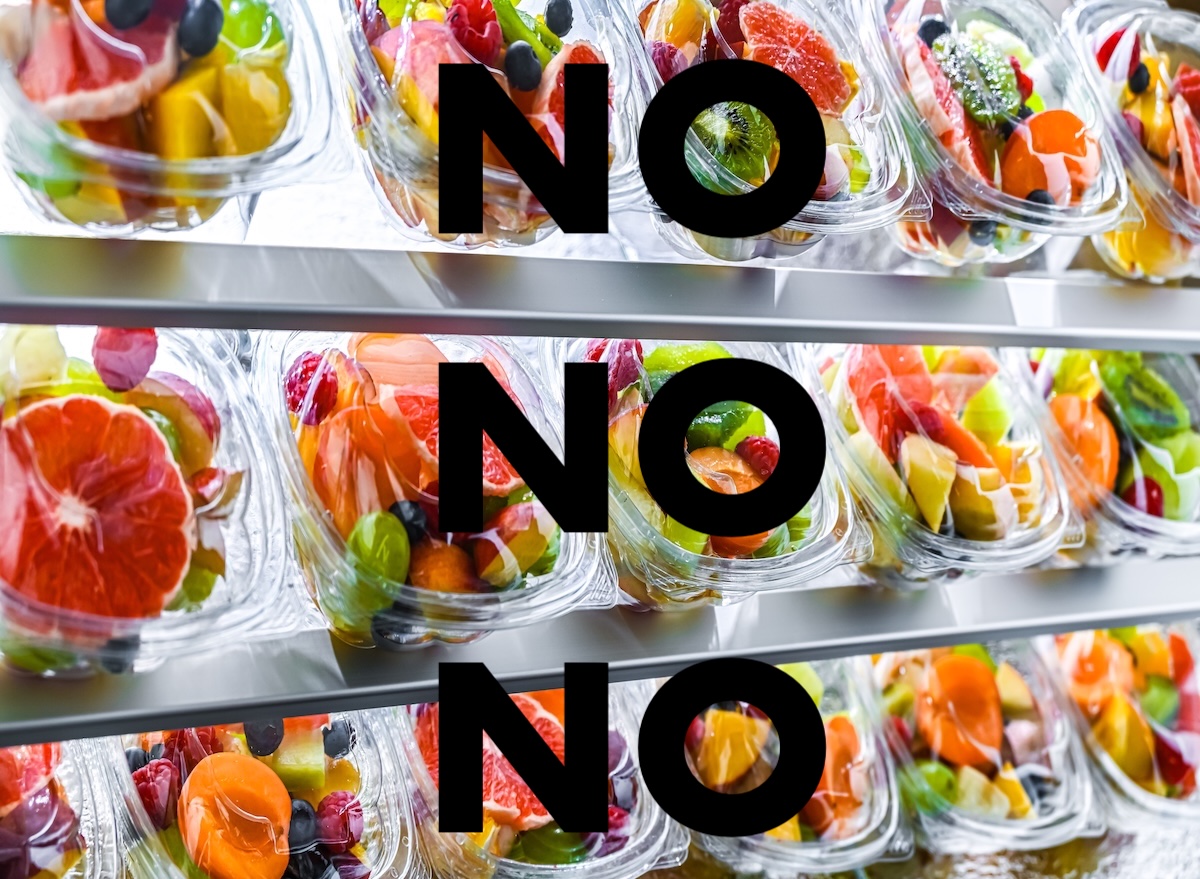

Grocery prices are higher than ever, so shoppers need to be even more savvy about what they will and won’t spend money on. Some products are not only expensive but may be harmful to health, while others are just unnecessary and a waste of money. So what’s on the “best to avoid” list right now? Here are six foods you’re better off not buying at the grocery store, for the sake of your health and your wallet.
Salad Kits
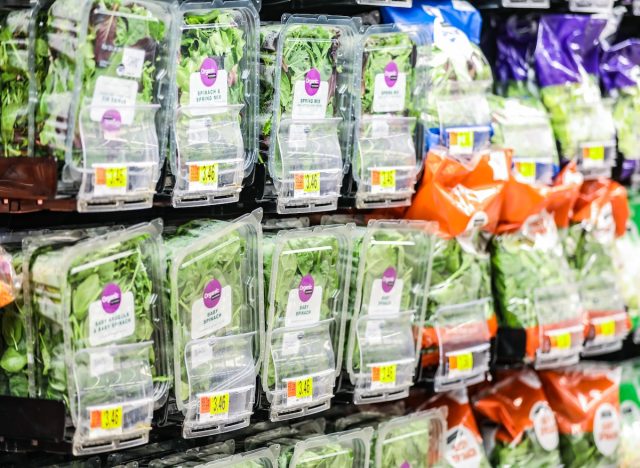
Salad kits are expensive compared to just making a salad yourself. “Salad kits tend to provide only one or two servings, so you’re better off buying the separate ingredients and making salads for the whole week,” nutritionist and plant-based chef Rachel Lessenden tells MarthaStewart.com.
Pre-Cut Produce
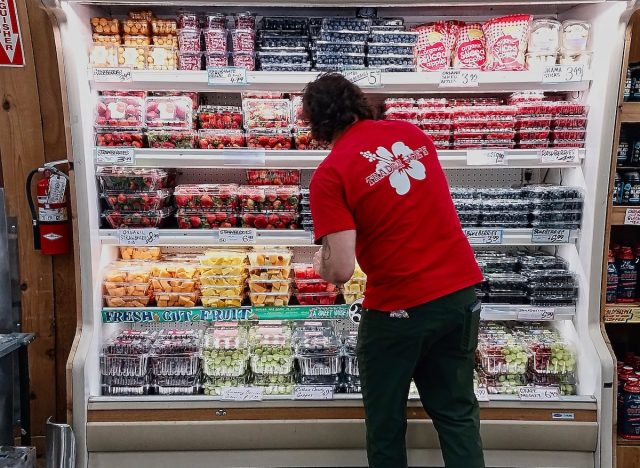
Shoppers should avoid pre-cut fruit for safety reasons, Darin Detwiler, the chair of the National Environmental Health Association’s Food Safety Program, tells HuffPost. Workers prepping the fresh fruit “is where we find contamination issues, cross-contamination, and increased time when food is no longer safe and pathogens grow before we even buy them,” he says.
Deli Counter Meat
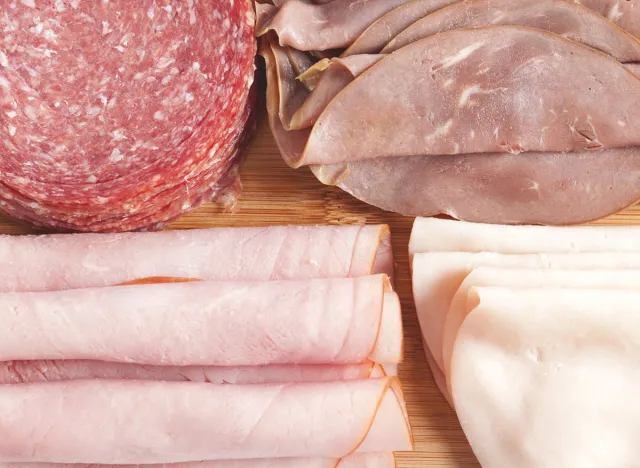
Ultraprocessed deli meat and other ultraprocessed foods should be avoided, experts say. “It’s about additives and processing methods that aren’t used in home cooking,” Dr. Dariush Mozaffarian, head of the Food is Medicine Institute at Tufts University, tells NPR.
Bagged Lettuce
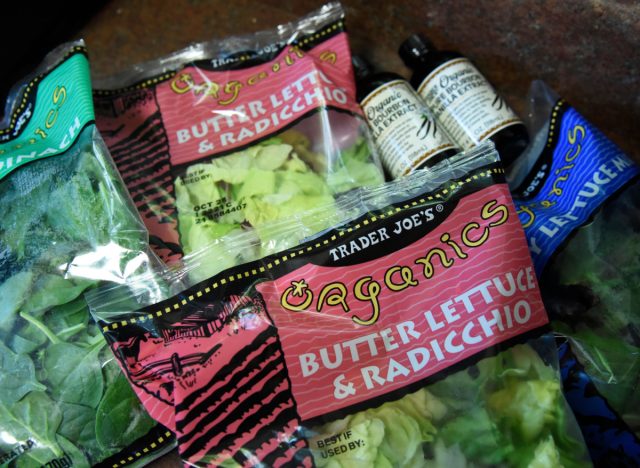
Bagged lettuce is notorious for being constantly linked to E. coli and listeria, “far too many outbreaks and recalls and a lack of transparency and traceability,” Detwiler says. “Why would we still, after all these incidents, just open a bag of mixed, ready-to-eat ‘pre-washed’ leafy greens anymore?”
Low-Fat Salad Dressing
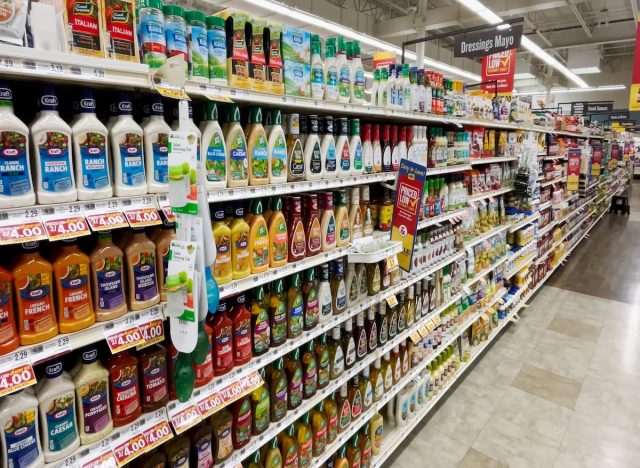
Low-Fat Salad Dressing is usually packed with sugar and additives. “Have you ever looked at the ingredients on low fat dip? If you haven’t, check out my post on sour cream,” says Lily Nichols, RN, CDE. “Real is always better than fake, wouldn’t you agree? I trust real cream more than partially hydrogenated soy oil, monodiglycerides, carageenan, xanthan gum, guar gum, and corn syrup.”
Cantaloupe
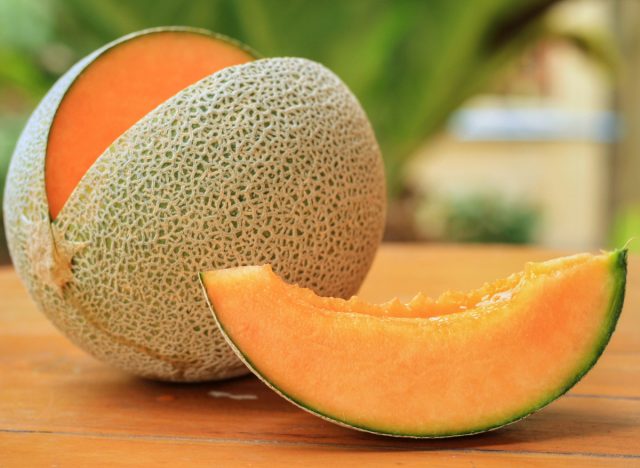
Cantaloupe should be avoided due to foodborne illness risk, Detwiler says. The fruit “has an exterior that cannot be cleaned adequately to kill pathogens,” and “the pH inside is at a level that supports rapid growth of pathogens.” When you cut into a cantaloupe, the knife spreads bacteria into the fruit itself.