3 FDA Food Safety Regulatory Changes Coming in 2026

The Food and Drug Administration made major changes in 2025, from modernizing infant formula to removing artificial food dyes, and the administration says it’s just getting started. The agency is determined to make sweeping changes to the food regulatory process, reviewing concerning chemicals and pushing through reforms to clean up the food supply for Americans. So what exactly should people expect in 2026? Here are three FDA food safety regulatory changes coming this year.
New Approach to “No Artificial Colors” Claims
The FDA is changing the rules about “no artificial colors” in 2026: Companies selling products with no petroleum-based colors are now allowed to claim “no artificial colors” on their packaging. The agency also just approved new color option ‘beetroot red’, and approved the expanded use of spirulina extract, an existing color additive derived from a natural source.
“We acknowledge that calling colors derived from natural sources ‘artificial’ might be confusing for consumers and a hindrance for companies to explore alternative food coloring options,” said FDA Commissioner Marty Makary, M.D., M.P.H. “We’re taking away that hindrance and making it easier for companies to use these colors in the foods our families eat every day.”
FDA Launches Assessment of BHA
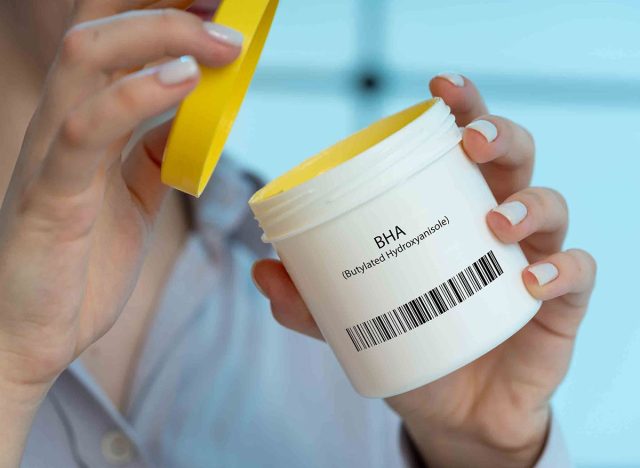
The FDA just launched a comprehensive re-assessment of butylated hydroxyanisole (BHA), a chemical preservative used in food, to review if BHA is safe under its current conditions of use in food.
“BHA has remained in the food supply for decades despite being identified by the National Toxicology Program as ‘reasonably anticipated to be a human carcinogen’ based on animal studies,” said Health and Human Services Secretary Robert F. Kennedy, Jr. “This reassessment marks the end of the ‘trust us’ era in food safety. If BHA cannot meet today’s gold-standard science for its current uses, we will remove it from the food supply and continue cleaning up food chemicals—starting where children face the greatest exposure.”
Gluten Ingredient Disclosure Improvement
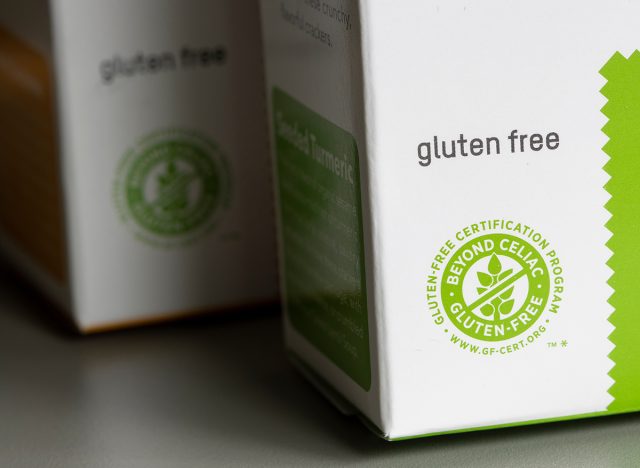
The FDA is tightening up the rules about food labeling related to gluten and possible cross-contamination connected to rye and barley, and oats in packaged food. “People with celiac disease or gluten sensitives have had to tiptoe around food, and are often forced to guess about their food options,” Dr. Makary says. “We encourage all stakeholders to share their experiences and data to help us develop policies that will better protect Americans and support healthy food choices.”