5 Best Tips for Seasoning Grilled Meat, According to Pitmasters
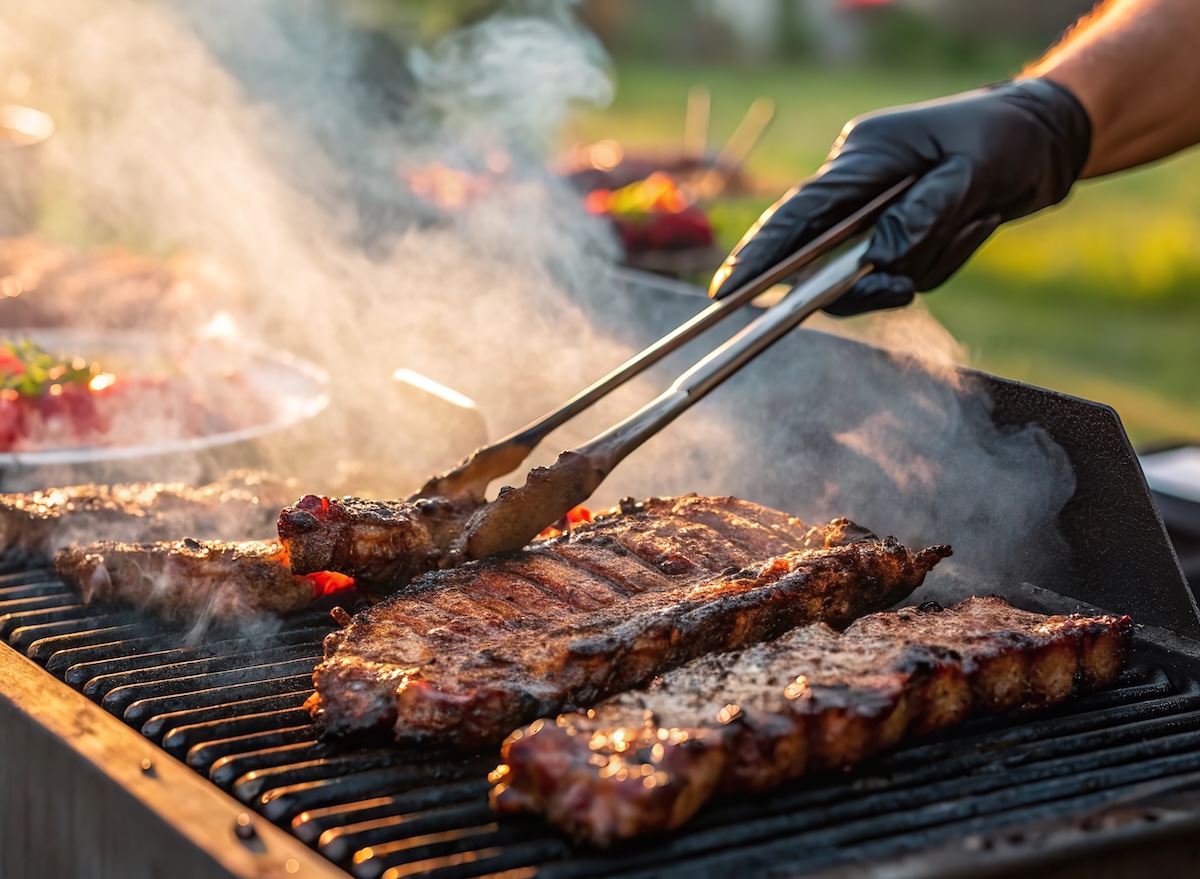

Grilling the perfect steak takes more than high heat. While anyone can throw meat over hot coals, getting the seasoning right isn’t as easy as it seems. Nobody wants a bland steak or one that’s so over-seasoned it masks the meat’s natural flavor. Great pitmasters know seasoning comes down to balance, timing and technique, not guesswork. Here are five expert-backed tips from Chris Farella, pitmaster, chef, owner of Brothers Smokehouse, to elevate your grilled meat every time.
Salt Prime Cuts Immediately Before Grilling
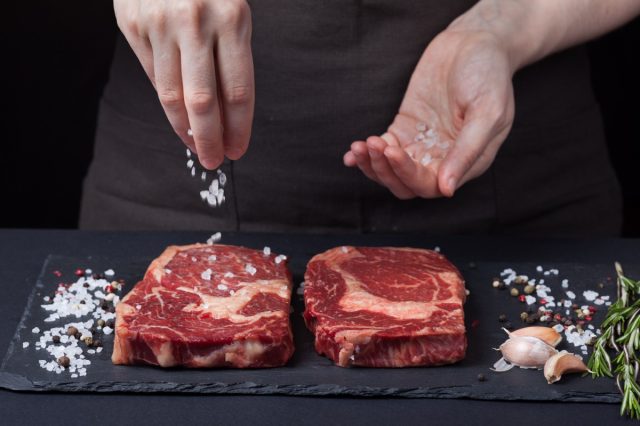
For high-quality steaks, timing your seasoning is just as important as choosing the cut itself. “When grilling prime cuts of beef such as bone-in ribeyes or porterhouse steaks, it’s best to salt just before they go on the grill,” Chef Chris explains. “Salting these steaks too early pulls moisture out of the meat, making it much harder to get a nice sear.”
Use Flavorful Marinades For Tougher Cuts
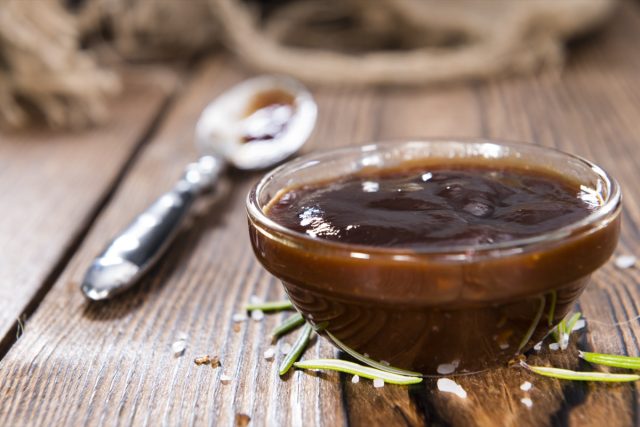
Not all cuts benefit from simple seasoning alone—some shine brightest with a well-balanced marinade. According to Chef Chris, “Steaks with more connective tissue and different levels of marbling, such as babettes, hangers, or skirt steaks, have a beefiness and chewiness that stand up great to a flavorful marinade.” He adds, “Balance your marinade with the right amount of acid vs. fat (oil) vs. sugar and savory to create a flavor bomb.”
Choose Coarse Salt for Thicker Cuts
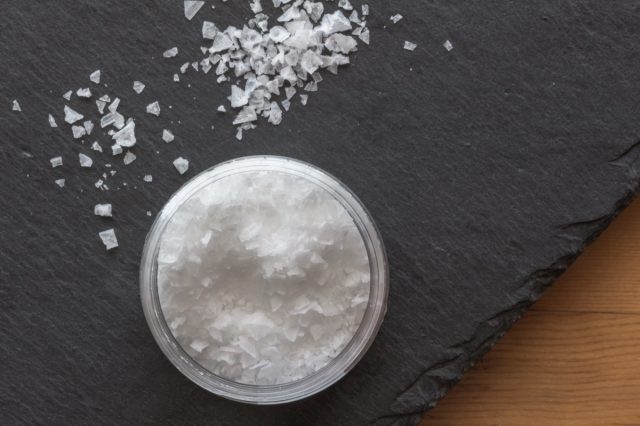
Not all salt can do the trick–the type you use matters. “Choose a coarse salt to season your bigger pieces of meat,” says Chef Chris. “Bigger, chunkier flakes of salt penetrate deeper into thicker cuts of meat than finer grains.”
Season Large Pieces of Meat Aggressively
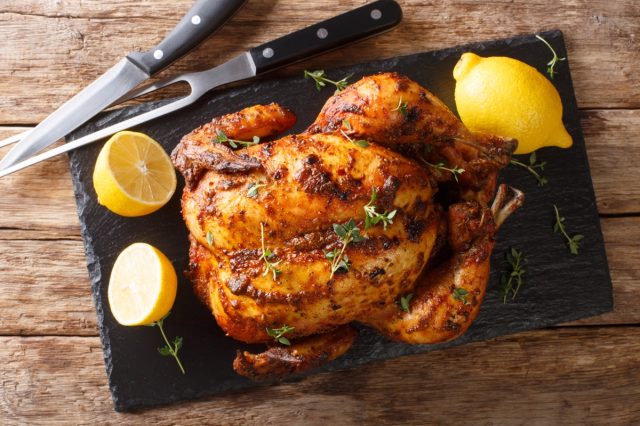
Bigger cuts require a bolder approach to ensure every bite is packed with flavor. “When seasoning large pieces of meat like a half chicken or a whole beef or pork tenderloin, it’s important to season aggressively so you don’t end up with a bland product,” says Chef Chris.
Adjust Salt Ratios Based on Salinity
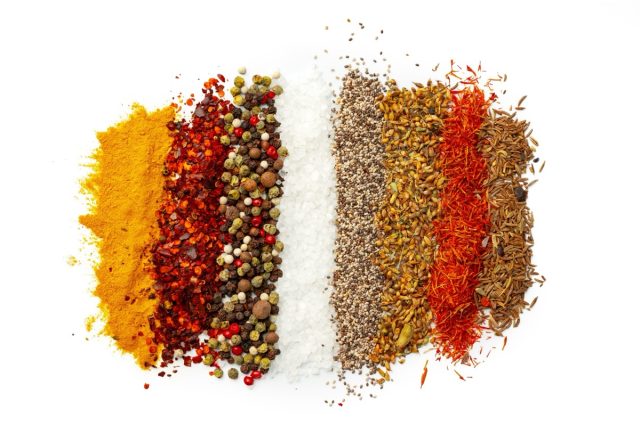
Not all salts are created equal, so adjusting your ratios can make or break your seasoning. “Different salts have different strengths,” says Chef Chris. “Sea salt has a stronger salinity than other salts; when using it to make your own rub, aim for the salt to be 20 to 25 percent of your spice mix, compared to 35 percent when using kosher or table salt.”