If You Can Hold a Wall Sit This Long After 60, Your Leg Strength Is Top-Tier
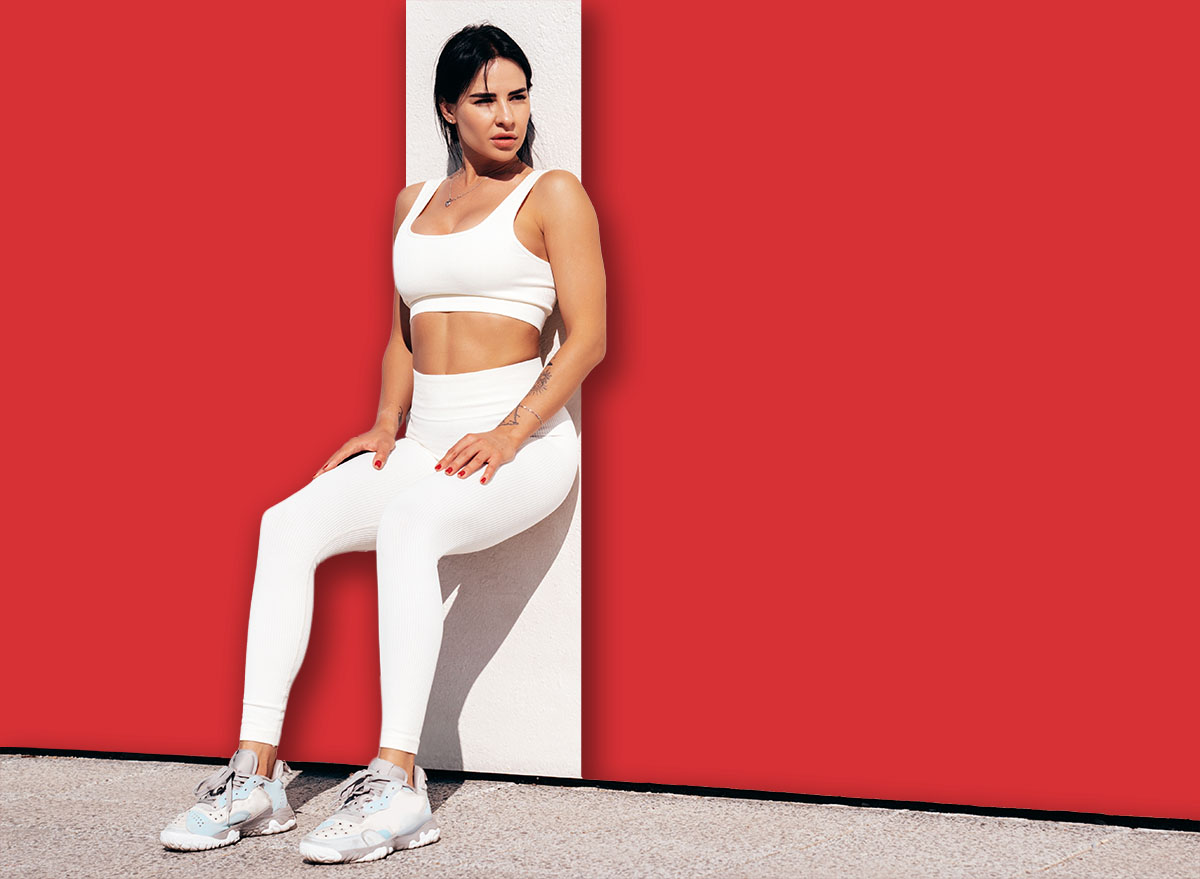

A wall sit gives your legs a clear job: hold a strong position and keep working. You slide down the wall, plant your feet, and settle into a supported squat. Within a few seconds, your quads start firing, your glutes help keep your hips steady, and your lower body has to stay locked into the position. After 60, holding that posture with control is a strong sign that your legs have serious staying power.
Leg strength after 60 shows up in all the daily moments people want to keep feeling easy. Standing from a chair, climbing stairs, walking through the store, stepping off a curb, and spending time on your feet all require strong, capable legs. The wall sit taps into that same lower-body demand in a simple, measurable way. It gives you a quick look at how well your legs can support you when the effort starts to build.
This test is also easy to repeat over time. You don’t need equipment, much space, or a complicated setup. You just need a wall, a timer, and steady form. Below, we’ll cover why wall sits are so effective after 60, how to set them up correctly, what your hold time says about your leg strength, and how to build a stronger, steadier hold.
Why Wall Sits Build Leg Strength After 60
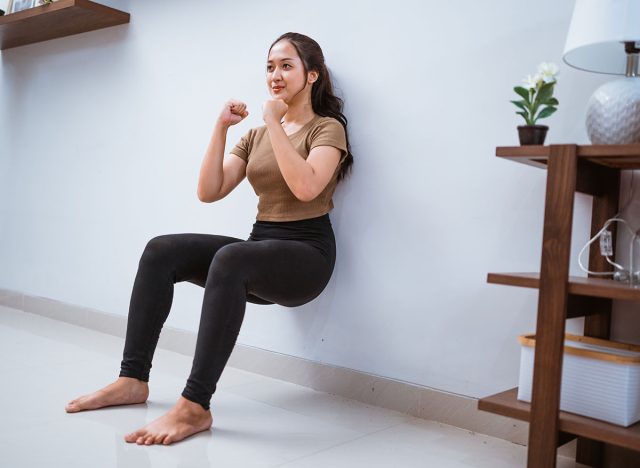
Wall sits put your quads under steady tension, and that’s one reason they burn so fast. Your quads help support your knees and keep you in position, while your glutes help your hips stay steady. Your core also has to stay active so your back stays supported against the wall.
The isometric nature of the hold gives wall sits their edge. Instead of moving up and down through reps, you hold one strong position and force your muscles to keep working. That helps build strength endurance, which often matters just as much as raw strength after 60. Stairs, longer walks, errands, travel days, and time spent on your feet all ask your legs to keep producing effort.
Wall sits also help you practice lower-body control in a joint-friendly setup. The wall supports your torso, so you can focus on what your legs are doing. Your knees, hips, and ankles get time to hold a stable position, and your muscles learn how to stay active without rushing through the movement. Done consistently, wall sits can help your legs feel stronger, steadier, and more capable.
How to Set Up a Wall Sit That Counts
Link: https://youtu.be/RG7z0P9qrLk?si=8p1edv1c8TVH3G5E
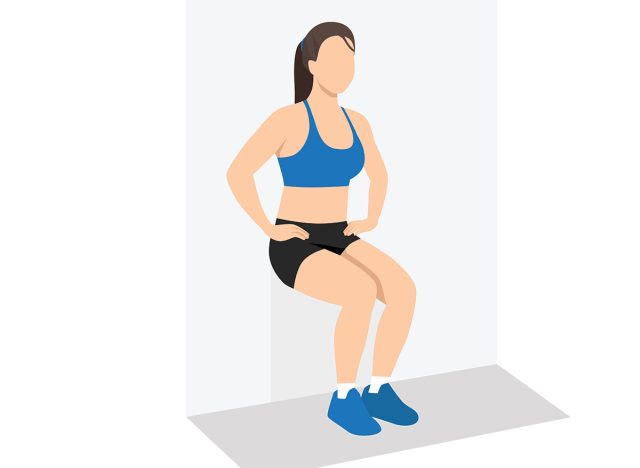
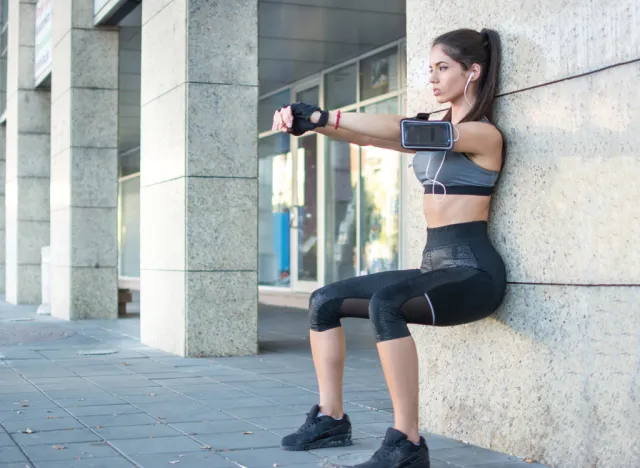
A strong wall sit starts with your feet. If they’re too close to the wall, your knees take over too much. If they’re too far away, the position feels awkward and hard to hold. Find a spot where your feet stay flat, your knees track over your ankles, and your back can stay comfortably against the wall.
How to Do It:
- Stand with your back against a wall and your feet about two feet in front of you.
- Slide down the wall while bending your knees.
- Lower until your thighs reach roughly parallel to the floor.
- Keep your feet flat and your knees stacked over your ankles.
- Brace your core and keep your chest tall against the wall.
- Hold the position while breathing steadily.
Movement Standard: Your wall sit counts when your back stays against the wall, your feet stay planted, and your thighs hold near parallel to the floor. Start slightly higher if you’re building toward that depth.
Best Variations: High Wall Sit, Standard Wall Sit, Weighted Wall Sit, Banded Wall Sit, Single-Leg Wall Sit.
Wall Sit Test After 60: What Your Hold Time Means
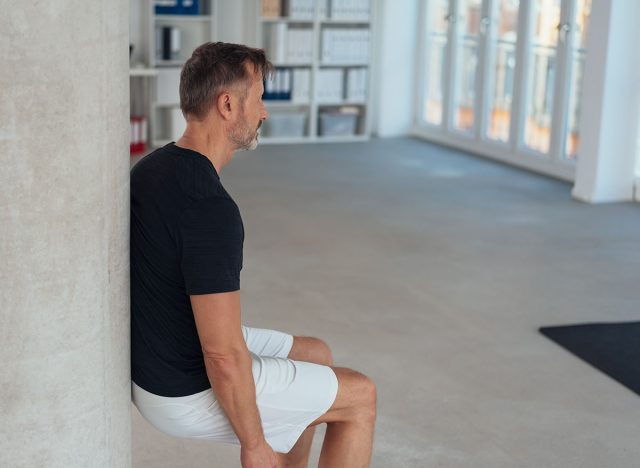
Your score should come from a steady position. Keep the same depth, foot pressure, and posture from the first second to the last. A clean hold gives you a much better read than a longer hold where your position keeps changing.
- Under 20 seconds: Building Your Base
This is a solid starting point if wall sits feel new or your legs fatigue quickly. Focus on finding a strong position, keeping your feet rooted, and using shorter holds that feel controlled. A few clean sets can build confidence fast.
- 20 to 45 seconds: A Strong Starting Range
Your legs can hold tension with good control here. This range shows your quads and glutes are supporting the position, and you’re building the endurance that helps with stairs, chair stands, and longer periods on your feet.
- 45 to 75 seconds: Strong Leg Endurance
This is where the hold starts to say more about staying power. Your legs can keep working as the burn builds, your posture stays steady, and your lower body shows good control through the position.
- 75+ seconds: Top-Tier After 60
Holding a clean wall sit past 75 seconds is impressive. Your quads, glutes, and hips can maintain tension for a long stretch, and your body can stay organized under fatigue. This score points to excellent leg strength and muscular endurance after 60.
How to Build a Stronger Wall Sit After 60
Improving your wall sit comes down to practicing the position and strengthening the muscles that support it. You don’t need to turn every hold into a max-effort test. Most progress comes from clean sets, steady breathing, and gradually giving your legs more time under tension. The wall sit also pairs well with regular lower-body exercises because it teaches your legs to stay active in a fixed position. That carryover can help stairs feel smoother, chair stands feel easier, and longer walks feel more manageable.
- Practice wall sits two to three times per week: Start with two or three holds and rest long enough to keep each set clean.
- Use a height you can control: Start a little higher if parallel feels too aggressive, then lower your position as your strength improves.
- Build time gradually: Add five to 10 seconds when your current hold feels steady.
- Train squats alongside them: Bodyweight squats, box squats, and goblet squats build the strength that supports longer holds.
- Add step-ups: Step-ups help your legs build practical strength for stairs, curbs, and hills.
- Strengthen your glutes: Bridges, hip thrusts, and lateral band walks help your hips support the hold.
- Use tempo work: Slow squats and pause squats give your legs more time under tension and improve control.
- Retest every few weeks: Use the same wall, depth, and setup so your progress stays easy to track.
A wall sit gives you a simple way to measure leg strength without much setup. If you can hold a clean position past 75 seconds after 60, your lower body has the strength and endurance to stand out. That shows up in the daily stuff that counts: stairs, chairs, walks, errands, and the confidence to keep moving well.
References
- Steves, Claire J et al. “Kicking Back Cognitive Ageing: Leg Power Predicts Cognitive Ageing after Ten Years in Older Female Twins.” Gerontology vol. 62,2 (2016): 138-49. doi:10.1159/000441029
- Jones, Matthew D et al. “Acute blood pressure responses to plank and wall sit isometric exercise in adults.” Journal of hypertension vol. 44,2 (2026): 288-294. doi:10.1097/HJH.0000000000004191