The 7-Minute Bed Routine That Restores Core Strength Faster Than Planks After 55
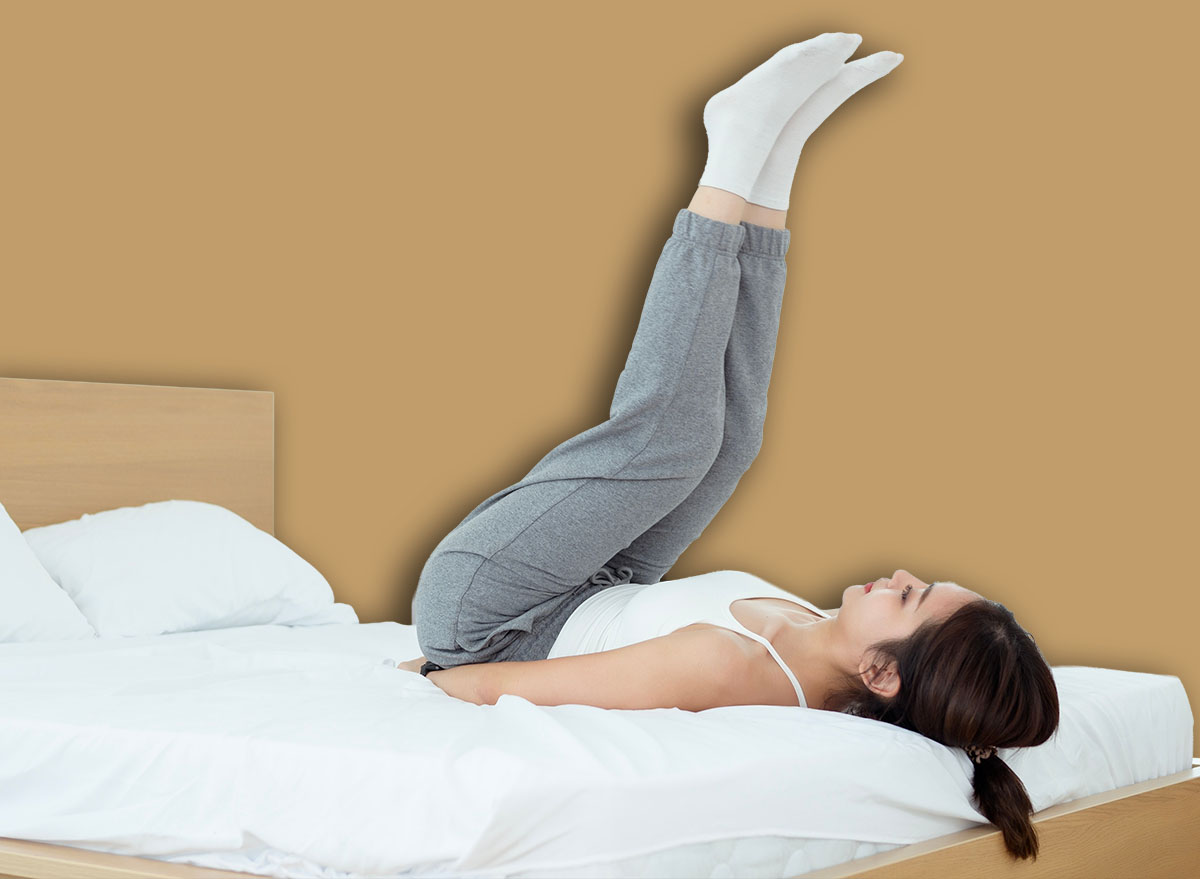
Your core has an incredible ability to respond to training, even well past 55, and serves as the unsung hero of vitality. With the right approach, you can build strength through your midsection, improve posture, and move with more confidence in everyday life. The key is choosing exercises that actually make your abs work while staying comfortable enough to repeat consistently. Over the years, I’ve helped many clients rebuild strong, capable cores using short, focused routines just like this one.
One of the most effective ways to spark that progress is to use supported positions that let your core do the work without extra strain. Bed-based training creates a stable environment where you can focus on control, breathing, and clean movement patterns. In my coaching history, when clients start to feel their midsection switch on early in the process, their consistency usually climbs right along with it.
This 7-minute bed routine brings together four highly effective movements that target your entire midsection in a joint-friendly position. You will build strength, improve control, and reinforce the deep core muscles that support your spine. Here is exactly how to perform the routine for the best results.
The 7 Minute Bed Routine

What you need: A sturdy bed and seven uninterrupted minutes. This routine uses four controlled core exercises performed in short intervals to challenge your entire midsection.
The Routine:
- Dead Bugs: 30 seconds
- Reverse Crunches: 30 seconds
- Russian Twists: 30 seconds
- Supine Knee Tucks: 30 seconds
Complete the circuit for 3 rounds.
Directions:
Set a timer for 30-second intervals. Perform each exercise back-to-back in the order listed. Move with control and focus on keeping your core braced throughout each interval. Complete the full circuit three times. Read on for the detailed instructions.
Dead Bugs
Dead bugs train your deep core muscles to stabilize while your arms and legs move. This pattern directly supports spine stability and teaches your midsection to resist unwanted motion. I program this exercise often because many adults quickly feel their lower abs switch on when it is done correctly. Over time, stronger deep core control carries over into better posture and safer movement.
How to do it:
- Lie on your back on the bed with arms extended toward the ceiling.
- Lift your knees so your hips and knees form ninety-degree angles.
- Brace your core and press your lower back gently into the bed.
- Lower one arm and the opposite leg slowly toward the bed.
- Return to the starting position with control.
- Alternate sides for the full interval.
Best Variations: Bent knee dead bugs, slower tempo dead bugs, heel tap dead bugs.
Reverse Crunches
Reverse crunches place strong emphasis on the lower portion of the abdominal wall, an area that often weakens with age. This movement trains your pelvis to tilt under control, strengthening the muscles that support the front of your core. I like using reverse crunches because they create a clear contraction without requiring neck strain or momentum. With consistent practice, this exercise helps tighten and strengthen the lower midsection.
How to do it:
- Lie on your back with knees bent and feet lifted.
- Place your arms at your sides for support.
- Brace your core and gently tilt your pelvis upward.
- Lift your hips slightly off the bed using your abs.
- Lower back down slowly with control.
- Repeat for the full interval.
Best Variations: Bent knee reverse crunch, slow tempo crunch, pause at top crunch.
Russian Twists
Russian twists strengthen the obliques, which help your body rotate and stabilize during daily movement. Strong obliques support better trunk control and contribute to a more connected feeling through your midsection. I often include this exercise once clients build basic front core strength because it rounds out total core development. Over time, improved rotational strength supports better balance and coordination.
How to do it:
- Sit on the bed with knees bent and feet lightly on the surface.
- Lean your torso back slightly while keeping your chest lifted.
- Brace your core and clasp your hands together.
- Rotate your torso to one side with control.
- Rotate to the opposite side.
- Continue alternating for the full interval.
Best Variations: Feet elevated twists, slower tempo twists, weighted twists.
Supine Knee Tucks
Supine knee tucks challenge your entire abdominal wall while reinforcing coordinated hip and core movement. This exercise builds strength through a full range of motion and teaches your midsection to stay engaged as your legs move. I use knee tucks frequently because they deliver a strong stimulus in a short time window. Consistent practice helps improve core endurance and overall control.
How to do it:
- Lie on your back with legs extended.
- Place your hands lightly at your sides.
- Brace your core and draw both knees toward your chest.
- Pause briefly at the top position.
- Extend your legs back out with control.
- Repeat for the full interval.
Best Variations: Single-leg knee tucks, slower tempo tucks, extended hold tucks.
Best Daily Habits to Strengthen Your Core After 55

Core strength improves fastest when short workouts pair with supportive daily habits. The muscles of the midsection respond well to frequent activation and consistent movement patterns. In my experience working with adults over 55, the biggest improvements usually come from simple habits repeated often rather than occasional intense sessions. Stay patient and focus on quality effort. Your core will respond when the work stays consistent. Use the tips below to reinforce your progress.
- Train your core most days of the week: Frequent activation builds endurance and control.
- Move with intention during daily tasks: Bracing lightly during lifts and transitions reinforces core strength.
- Prioritize protein intake: Adequate protein supports muscle maintenance throughout the midsection.
- Focus on posture throughout the day: Stacked ribs and hips keep your core lightly engaged.
- Progress your intervals gradually: Longer work periods help maintain steady improvement.
- Stay consistent with short routines: Small daily efforts build meaningful long-term results.
Stick with this seven-minute routine and these habits, and many adults over 55 begin to feel stronger through their midsection with better posture and more confident movement.
References
- Zhong, Yuanji et al. “Effects of core training on balance performance in older adults: a systematic review and meta-analysis.” Frontiers in public health vol. 13 1661460. 9 Oct. 2025, doi:10.3389/fpubh.2025.1661460
- Maccarone, Maria Chiara et al. “Effects of the Full-Body in-Bed Gym program on quality of life, pain and risk of sarcopenia in elderly sedentary individuals: preliminary positive results of a Padua prospective observational study.” European journal of translational myology vol. 33,3 11780. 26 Sep. 2023, doi:10.4081/ejtm.2023.11780