5 Best Parmesan Cheese Brands, According to Chefs
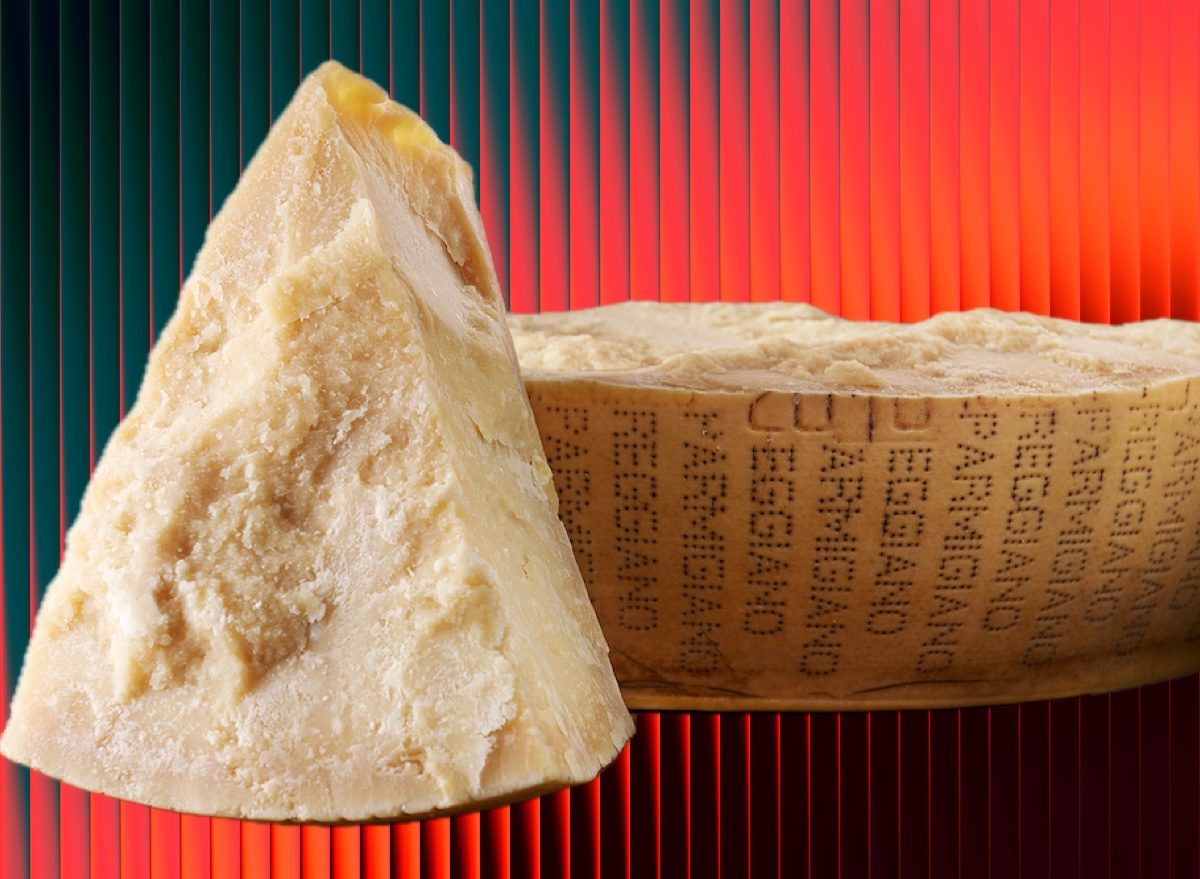

When it comes to Parmesan, the brand you buy can make a noticeable difference in flavor, texture, and even how well the cheese melts into a dish. But with so many options lining the dairy case, it can be hard to know which ones are actually worth buying. Eat This, Not That! asked chefs which Parmesan cheeses they reach for most often and why. From versatile grocery-store favorites to aged cheeses best suited for finishing a dish, these are five brands and varieties worth knowing.
Bel Gioioso
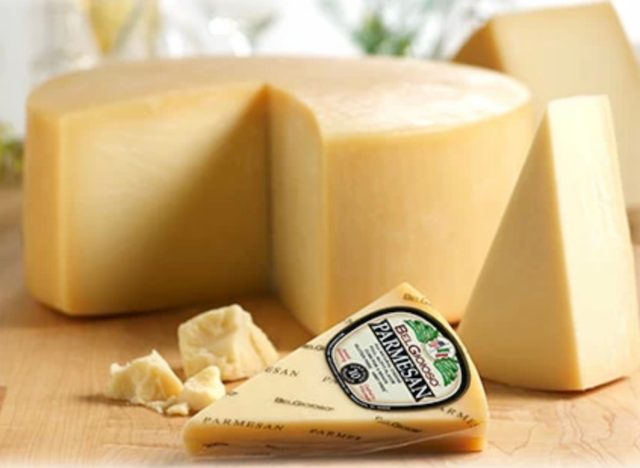
For an everyday Parmesan that can do a little bit of everything, Bel Gioioso is a favorite for John Miller, Chef and Caterer, Owner of Miller’s Catering Company and Family Food and Beverage. “This parmesan is amazing because it melts well and is very versatile,” he says. “I use it on charcuterie boards, grazing tables, as well as on salads and pastas.” Chef John adds, “The tangy flavor pairs well with the sweet options that can be placed on boards, in salads, and with the sweetness of marinara and pasta sauces.”
Sartori SarVecchio
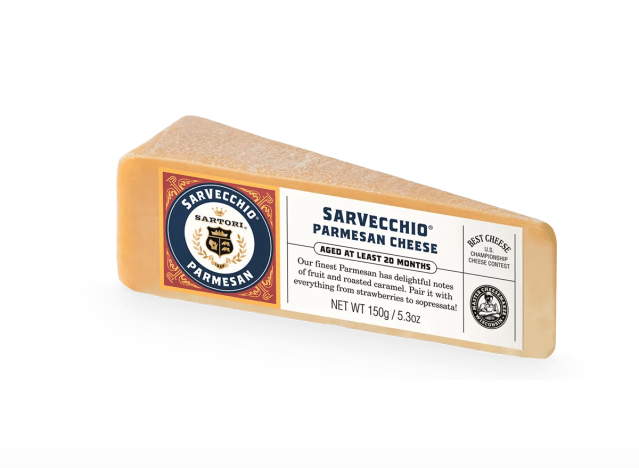
If you’re looking for an American-made Parmesan-style cheese with the flavor and texture of a longer-aged cheese, Sartori SarVecchio is one chef’s go-to. Its age gives it the nutty flavor and crystalline texture associated with good Parmesan, while keeping it practical for everyday cooking. “SarVecchio from Sartori is my go-to when I’m not buying imported,” says Steve Ingber, Executive Chef & Owner, MileHighCook. “It’s aged about 20 months, so you get the crystalline crunch and the nutty flavor people want, at a price that makes sense when you’re grating a lot of it.” He adds, “It melts into risotto cleanly instead of going stringy.”
Cello Riserva
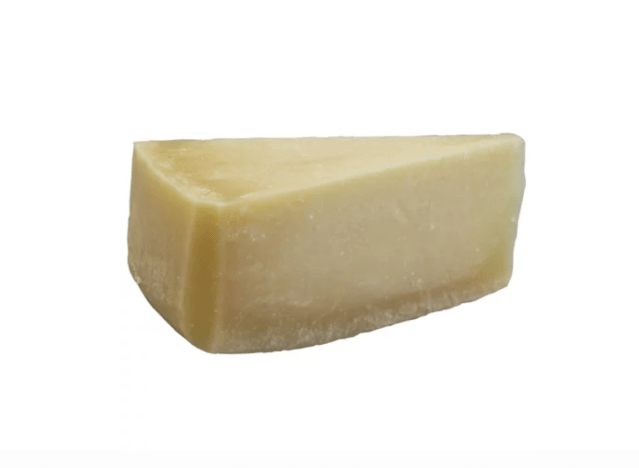
For home cooks, sometimes the format matters just as much as the brand. Cello Riserva comes in wedges rather than pre-grated, making it a good choice for cooks who want to grate fresh Parmesan right when they need it. “Cello’s Riserva is the one I point home cooks to,” Chef Steve shares. “It’s sold in wedges instead of pre-grated, which matters more than the brand does, and it has enough age and salt to finish a pasta without tasting flat. Buy the wedge, grate it to order.”
Grana Padano
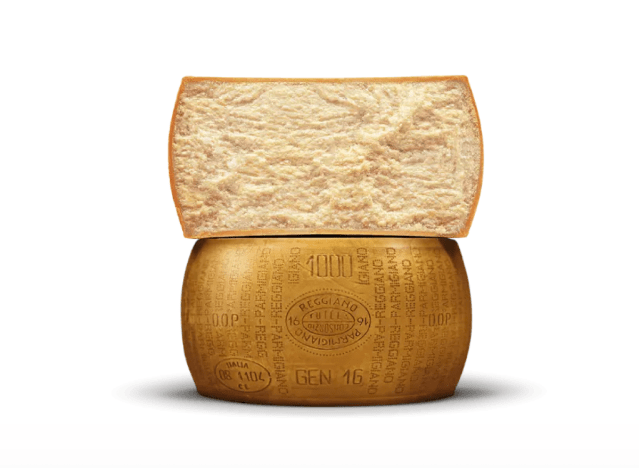
You don’t always need the most intensely flavored cheese for a great dish. Grana Padano offers a milder flavor and a more approachable price point, making it a versatile option for cooking when you want Parmesan’s savory character without overpowering other ingredients. “Grana Padano is worth its glowing reputation, and I keep both on hand depending on what I’m making,” says Marissa Stevens, home chef, founder and recipe developer at Pinch and Swirl. “Grana Padano is milder and more affordable, more of a workhorse Parmesan. It’s what I use most when the cheese is cooked into the dish.”
Parmigiano-Reggiano
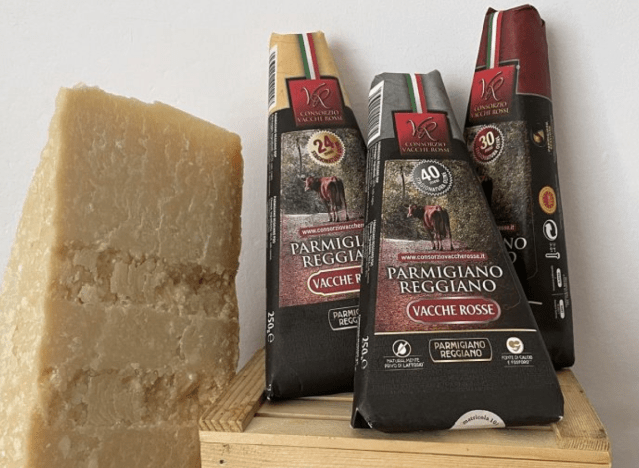
When the cheese is meant to shine on its own, Parmigiano-Reggiano is hard to beat. Its longer aging gives it a bolder, nuttier, saltier flavor that works especially well when freshly grated over a finished dish or incorporated into fresh sauces. “It’s aged longer, so it’s sharper, nuttier, and a little saltier, which makes it the best one to grate on right before serving and also for fresh sauces like pesto,” she says.