7 Major Red Flags on Fast-Food Menus You Should Never Ignore
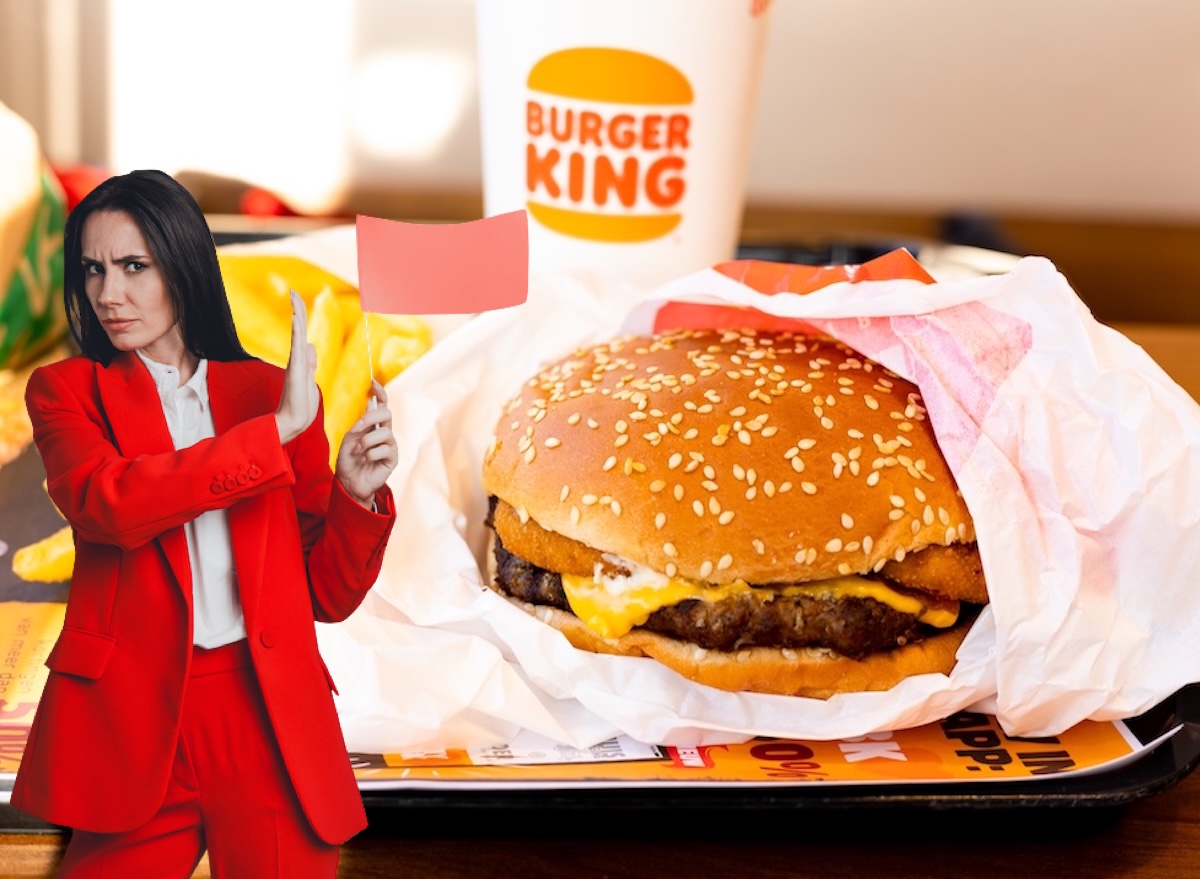

We all know that fast food can be delicious. However, it can also be seriously bad for you. Luckily, there are ways to indulge in fast food without derailing your overall health. “Fast food menus can absolutely be navigated in a healthier way,” Tara Collingwood, MS, RDN, CSSD, LD/N, ACSM-CPT, a Board Certified Sports Dietitian and co-author of the Flat Belly Cookbook for Dummies, tells us. “I encourage people to pay attention to portion sizes, added sugars (especially from drinks), and how often they’re eating fast food. Terms like ‘crispy’ or ‘creamy’ can signal higher-calorie options, but they don’t need to be avoided completely,” she says. Here are 7 major red flags on fast-food menus you should never ignore.
“Crispy” or “Crunchy”
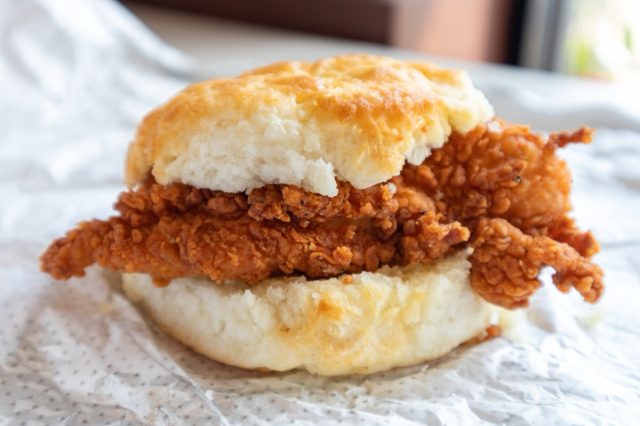
“Crispy” or “Crunchy” can be code for deep-fried, trans-fat-heavy items. “Generally true that this usually means fried, which increases calories and fat,” says Collingwood. “However, the claim about trans fats is a bit outdated. Most fast-food chains have removed artificial trans fats. Definitely higher in calories and fat, and easy to overeat!”
“Creamy” Base Sauces
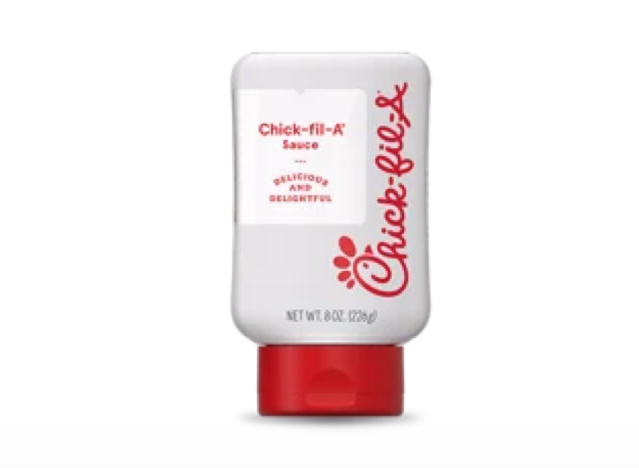
Creamy sauces, like Chick-fil-A sauce, are usually made with shelf-stable oils and sugars. “These are typically higher in fat and calories, often from oils or mayo-based ingredients,” says Collingwood. “Definitely calorie and sodium-dense, so use portion awareness.”
“Unlimited” Drink Refills
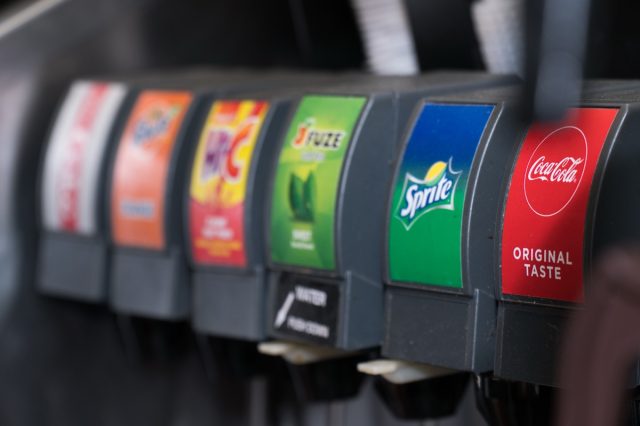
It may be tempting to indulge in unlimited drink refills, but it’s not a healthy plan. “Refills can lead to excess intake of sugar-sweetened beverages, which are strongly linked to higher calorie intake and poor metabolic health,” says Collingwood.
Vague “Signature” Blends
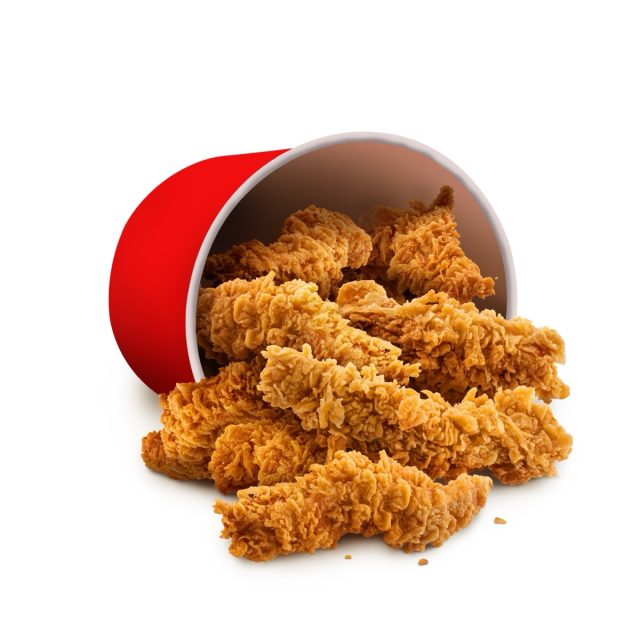
Make sure to look into “signature” blends, which can conceal hidden ingredients. “This is vague and not inherently a red flag. It doesn’t necessarily mean high sodium or MSG. MSG is considered safe by major health organizations, despite common misconceptions, so I wouldn’t emphasize that much,” she says.
Double/Triple Meat Tiers
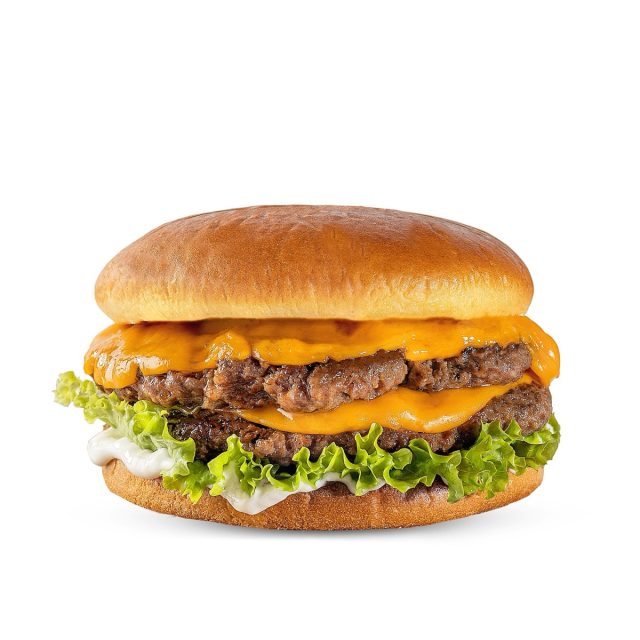
Beware of falling victim to double or triple meat tiers to increase your protein intake. “These can significantly increase calories, saturated fat, and sodium,” says Collingwood. And, you don’t need to go overboard with protein, as it can be “definitely more than most people need in one sitting and driving calories up.”
Pre-Dressed Salad Bowls
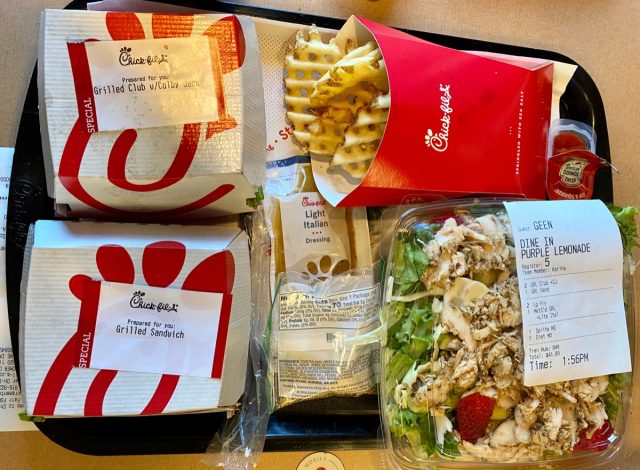
You should always order salad dressing on the side, as it soaks healthy greens in fat. “Dressings can add significant calories, fat, and sodium. Salads themselves are still nutrient-rich, which is good. It’s about how they’re prepared,” Collingwood says.
“Value” Bundles
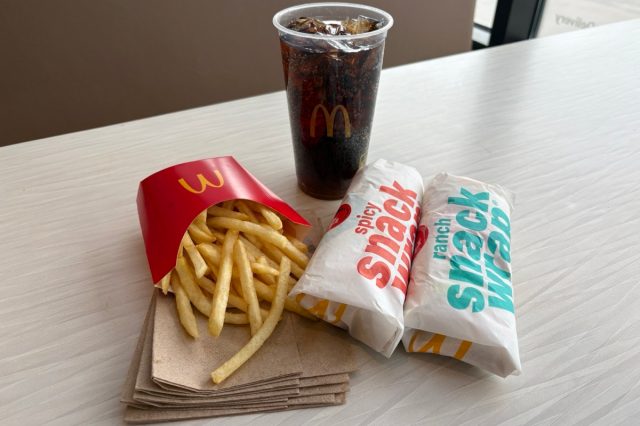
It can also be tempting to order bundles and extra value meals. But while you might save money, it can cost you in terms of your health. “These can encourage larger portions and excess calorie intake,” Collingwood says.