6 Grocery Habits That Are Draining Your Wallet
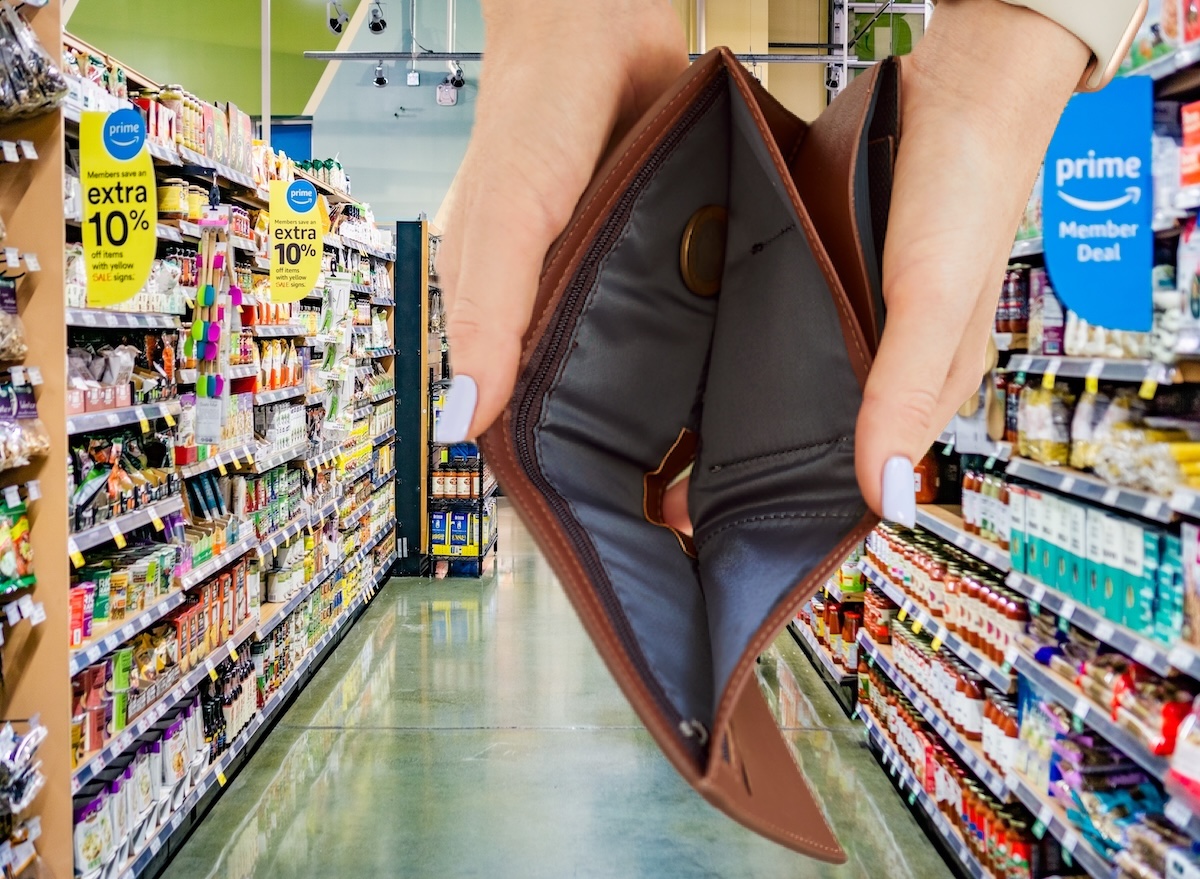

If your grocery bill continues to increase, even though you are buying the same things, you aren’t alone. Food continues getting more expensive. We can’t really control that. However, there are grocery habits you might have that are inflating your bill more than it needs to be. We asked the experts about the biggest mistakes shoppers make while grocery shopping that lead to overspending. You might be surprised by what they say. Here are 6 grocery habits that are draining your wallet.
Shopping Without Structure

Clay Cary, Senior Trends Analyst and Finance Expert at CouponFollow, maintains that one of the biggest grocery shopping habits that drains your wallet is shopping without a structure. “This means the person is going to the store and has a general idea of what needs to be bought, but no real plan for their trip. This can cause them to overbuy and subsequently throw away many of the items they bought,” he says. One solution for this is the ‘5-4-3-2-1 rule.’ “This means the person tries to buy 5 vegetables, 4 fruits, 3 proteins, 2 grains, and 1 ‘fun’ item. This will help them maintain a balanced cart and prevent impulse buys,” he says.
Impulse Buying Items on Sale
Another mistake people are making right now is buying things on sale without considering future use. “While this may save money for the person now, it does no good if the items do not get eaten before their expiration date. A better solution for this would be to think about the meals the person wants to make and look for items on sale for those meals,” he says.
Relying on Trends

Another, less obvious mistake people are making is relying on the latest trends in the world of groceries. “This can include things like the use of a grocery delivery service, pre-made meals, and ‘quick shop’ trips to the store. While this may seem harmless, it can add up quickly,” he says. “The people who are saving the most money right now are the ones combining the old ways of doing things with the new. This means things like making a list and using basic cooking staples, as well as things like digital coupons and price tracking.”
Buying in Bulk Without a Strategy
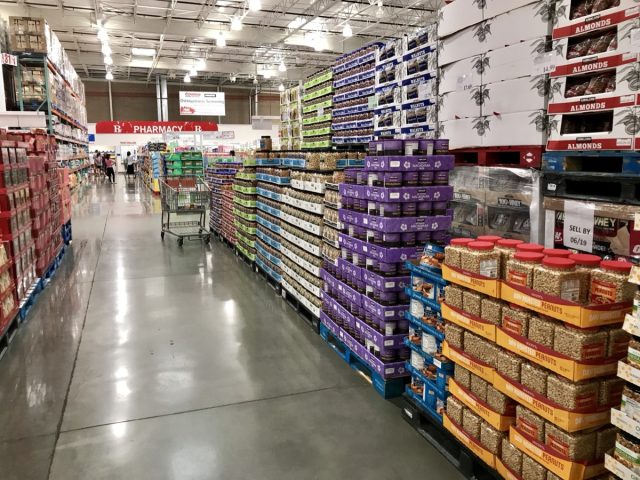
Marissa Stevens from Pinch and Swirl is basically a professional shopper. She has been developing and sharing recipes for home cooks for over 15 years, and grocery shops almost daily. One mistake that is pretty common? Buying in bulk without a strategy. “Bulk buying can save you money, but only if you’re selective about it. First, compare the per-unit price to make sure it’s a significant savings to buy in bulk. If so, a quality block of Parmesan cheese, a few pounds of butter, and a case of canned tomatoes can make sense if you use them often. But if you buy large amounts of everything on sale every time you shop, you lose the lighter-spending weeks. You’ve just increased your grocery costs to one big hit after another with no reprieve,” she says.
Shopping Without a List

Most people know they should shop with a list. Fewer people organize it by store section, so they end up moving around the store chaotically, making it much harder to avoid distractions and impulse buying. “It’s better to organize your shopping list by category (produce, meat and seafood, dairy) and, before you head to the grocery store, note what you already have at home to avoid buying more,” Stevens says.
Skipping the Store Brand
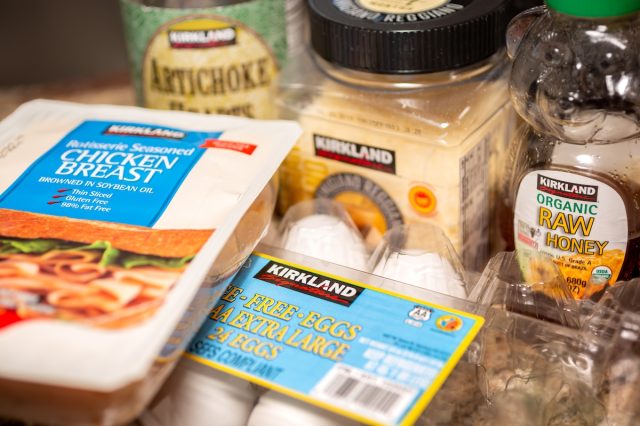
Skipping the store brand on the wrong things can make you overpay. “Store brands often get a bad rap. But on pantry staples (canned tomatoes, dried beans, broth, olive oil), the quality difference is often negligible because they’re just white-label name-brand products that are more expensive. That said, there are a lot of items worth sticking to brands you know: dairy, chocolate, and any ingredients that noticeably affect the final dish,” she says.