7 “Healthy” Foods That Actually Make Weight Loss Harder


Could the seemingly-healthy foods you eat be undermining your weight loss? Many foods touted as better-for-you might actually be derailing your fitness efforts instead of encouraging them, which naturally leads to frustration. We asked nutritionist Sarah Garone, NDTR, CNC, which mistakes people make when it comes to their diet—here are seven “healthy” foods that could actually be derailing your weight loss efforts.
Protein Bars
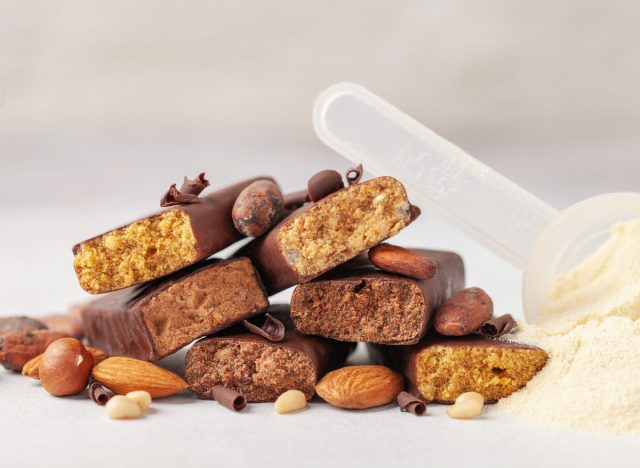
Garone says to be mindful of how calorific protein bars can be. “Protein bars are often touted as a healthy addition to the diet—and it’s true that their high protein content can help you feel full,” she says. “But most protein bars are extremely processed, sometimes containing high amounts of added sugars. They can also be quite high in total calories. If you’re grabbing a protein bar for a snack, take a look at its calorie content. For weight loss, it may be more than you really want at snack time.”
Flavored Yogurt
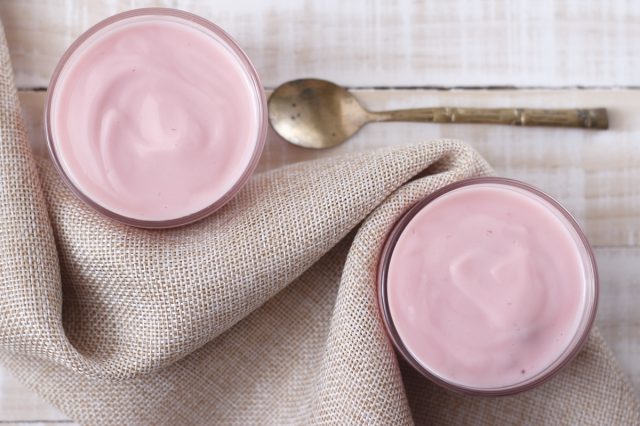
Garone warns that not all yogurts are created equal. “While yogurt is absolutely a healthy food—rife with gut-friendly probiotics and high-quality protein—flavored varieties with lots of added sugars aren’t a great go-to for weight loss. Besides being high in calories, they can elevate your blood sugar, prompting cravings down the line. This is another food whose nutrition label often debunks its health halo. Look for yogurt with minimal (or zero) added sugars.”
Trail Mix
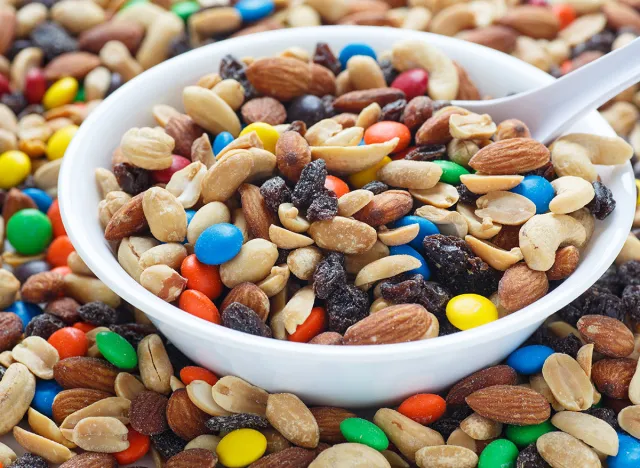
How healthy is your trail mix? “There’s a big difference between a handful of nuts and a trail mix that’s mostly chocolate pieces and candied fruits,” Garone explains. “Choose wisely. Whereas eating plain or lightly sweetened nuts has been linked to weight loss, filling your snack bowl with ultra-sweet trail mix won’t have the same effects.”
Granola
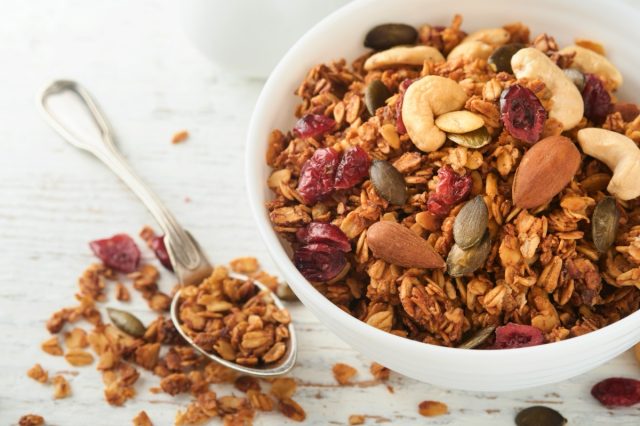
Garone says to watch portion sizes on foods like granola, which are easy to overeat. “Granola is so strongly associated with health benefits that its name is synonymous with all things natural. Its whole grains can add satiating fiber to breakfast or snacks,” she says. “That said, granola can also be a sneaky source of fat and added sugars. Be sure to keep portions in check. A serving is often 1/3-1/2 cup—significantly less than the typical 1-cup serving of cereal.”
Smoothies
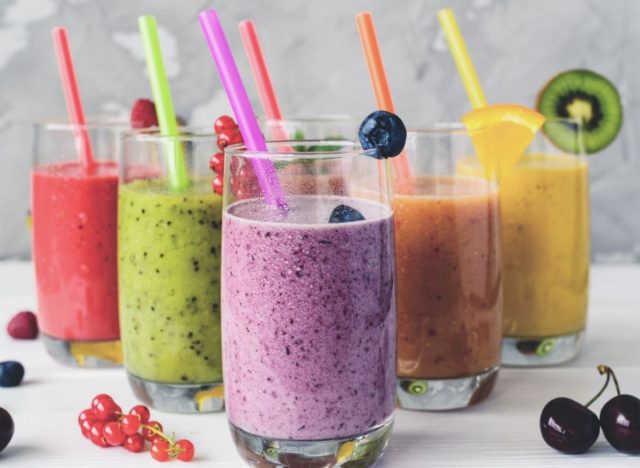
Your morning smoothie could be a calorie-bomb, Garone warns. “Done right, smoothies can be a great way to take in more fruits and veggies—a worthy goal for all of us. But they can also be a vehicle for high-calorie ingredients that add up quickly,” she explains. “And since drinking doesn’t offer the same satisfaction factor as chewing, you might not find smoothies as filling as solid foods. If you’re going to haul out the blender, go easy on high-calorie mix-ins like nut butters, honey, or coconut milk, focusing instead on mostly fruits and veggies.”
Fat-free Desserts
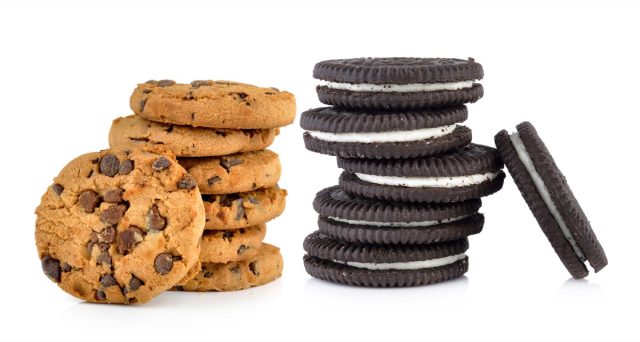
“Fat-free” doesn’t make a food weight loss-friendly, Garone says. “Though fat-free treats like brownies or ice cream may sound like a good idea for weight loss, removing fat from foods isn’t actually a helpful strategy. Often, when food manufacturers take out fat, they simply add sugars, fillers, or artificial ingredients—none of which will benefit your weight management goals. You’re better off eating a normal version of a dessert in a smaller portion.”
Dried Fruit
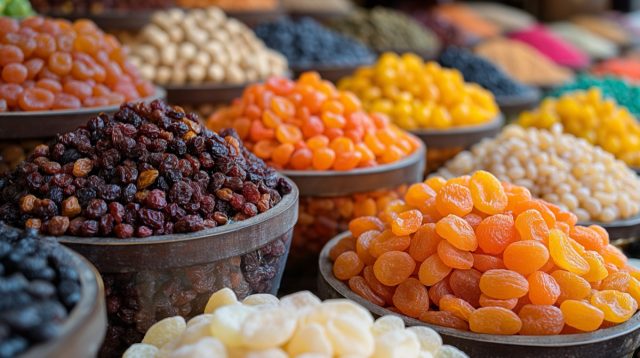
Dried fruit is much easier to overeat than regular fruit. “Because dried fruit has had its water content reduced, it’s higher in calories than fresh fruit (by weight),” Garone says. “So although dried fruit is rich in nutrients, it’s not the best choice for cutting back on calories. The water in fresh fruit, on the other hand, can add satiety and help promote smoother digestion. If you’re working toward weight loss, prioritize the fresh kind over dried—or simply use dried fruit in small quantities.”