A Hidden Ingredient in Popular Snacks Is Getting New Scrutiny

California just became the first state in the country to ban ultraprocessed ingredients from school meals, shining a new spotlight on the harmful additives in everyday food, drinks, and snacks that are linked to a myriad of concerning health issues and illnesses.
Sugar-packed drinks and ultraprocessed meats are some of the worst offenders, according to Tasha Stoiber, senior scientist at the Environmental Work Group, which sponsored the legislation, according to Cal Matters. “Ultraprocessed foods are also marketed heavily to kids with bright colors, artificial flavors, hyperpalatability,” Stoiber said. “The hallmarks of ultraprocessed foods are a way to sell and market more product.”
As a result, these foods will be phased out of all K-12 school meals over the next 10 years, changing the way the state provides nearly 1 billion meals to students every year. Many of the big brands are already removing artificial colors from their products, and now the spotlight is on lab-made artificial flavorings, created to encourage overconsumption.
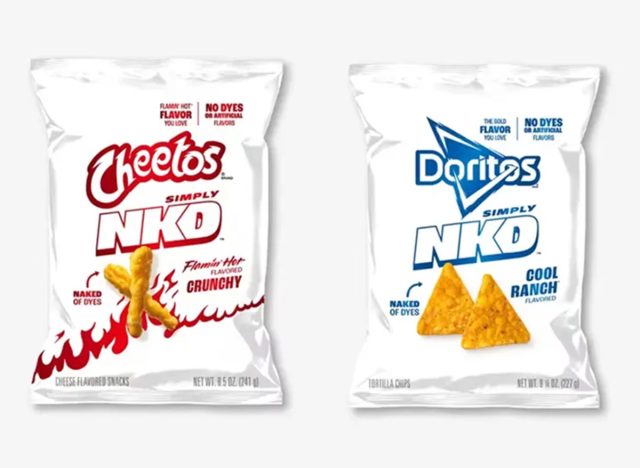
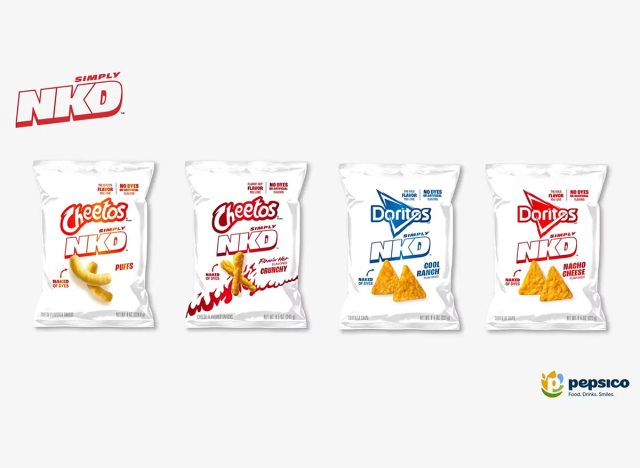
PepsiCo just announced that its Cheetos and Doritos brands will be offering products free of artificial flavors and colorings, calling the line Simply NKD.
“No color, no artificial flavors, same intensity — that’s Simply NKD. Doritos and Cheetos are pioneering a snacking revolution, or a renaissance, if you will,” PepsiCo chief marketing officer Hernán Tantardini said in a statement. “We are reinventing our iconic — and most famous — brands to deliver options with the bold flavors fans know and love, now reimagined without any colors or artificial flavors.”
U.S. Health Secretary Robert F. Kennedy Jr. and other federal regulators are very focused on the food dye issue, and brands are hastening efforts to remove those ingredients before the end of 2026.
“Overall, thousands of flavor chemicals are being added to foods without FDA oversight or review of the available safety information or the concentration used. The food additive review system is broken,” says David Andrews, Senior Scientist at the EWG. “We at EWG believe food companies should make full disclosure of their ingredients and should not use vague terms like ‘flavors’ or ‘fragrances.’ People have a right to know what is in their food. We believe processed food makers should not manipulate flavors to whet people’s appetites for unhealthy foods nor encourage people to overeat.”
The American Academy of Pediatrics has warned about the impact of additives on child health as far back as 2018, so it’s high time those warnings were actually acted upon. “Our first priority is to protect kids in California schools, but we also came to realize that there is huge market power here,” said Assemblymember Jesse Gabriel, an Encino Democrat. “This bill could have impacts far beyond the classroom and far beyond the borders of our state.”