4 Red Flags I Look for on a Beef Label Before Buying for My Family

\Beef is beef, right? Sure, you look at the label to see if you are buying regular, organic, or grass-fed beef, but are you looking closely enough? According to Tara Collingwood, MS, RDN, CSSD, LD/N, ACSM-CPT, a Board Certified Sports Dietitian and co-author of the Flat Belly Cookbook for Dummies, the answer is probably no. “As a dietitian, I think it’s helpful for consumers to read beef labels,” she says. Why? While not all chemicals or labels are a “reg flag” per se, paying attention to the fine print is helpful, “so people can make informed choices,” she tells us. Here are the 4 “red flags” she looks for on a beef label before buying for her family, and 2 others that might not be as dangerous as they sound.
Not a Red Flag” Carbon Monoxide Packaging
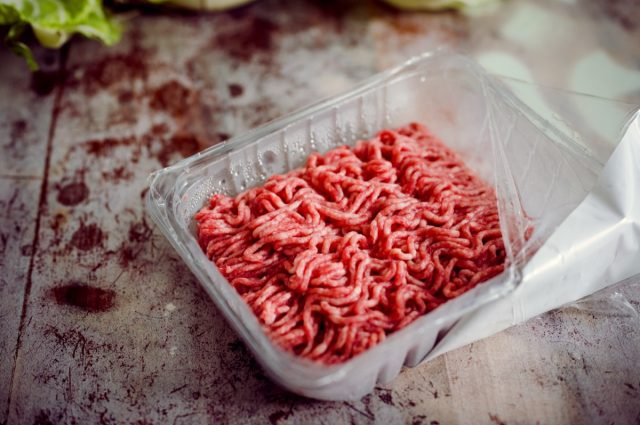
Carbon monoxide packaging may sound alarming, but it’s an FDA-approved method for preserving color and reducing food waste. “It doesn’t make spoiled meat safe to eat, so consumers still need to rely on proper storage and expiration dates rather than color alone,” says Collingwood.
Red Flag: Added Water or Saline

“Added water or saline is something I do pay attention to,” Collingwood reveals. “It can increase sodium content and affect flavor and texture, so if you’re trying to limit sodium or want better quality meat, it’s reasonable to choose products without added solutions.”
Not a Red Flag: Bioengineered Food Ingredients
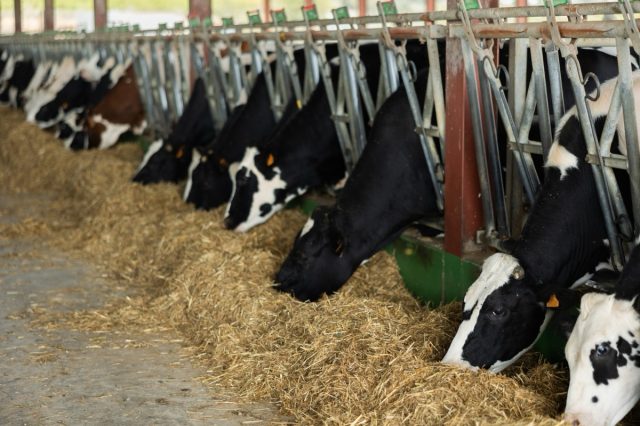
“Bioengineered” or genetically modified ingredients often get a bad reputation, but the science consistently shows GMO foods are safe to eat. “In the case of beef, this usually refers to what the animal was fed, not the meat itself. For most families, this isn’t a meaningful health concern,” she says.
Red Flag: Product of USA Loophole
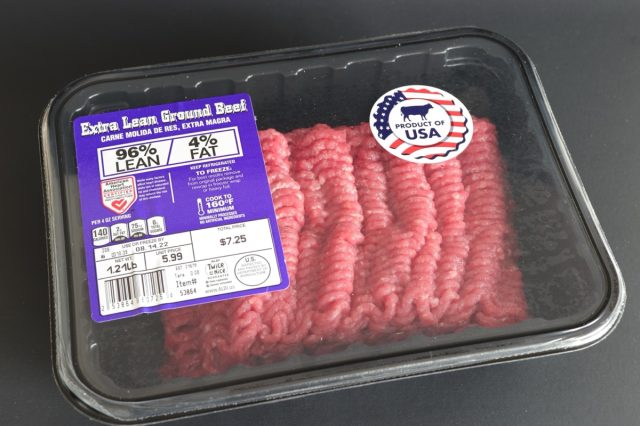
“Product of USA” labeling can definitely be confusing. “If sourcing matters to you (whether for quality, environmental, or ethical reasons), it’s worth looking for more specific labels like ‘born, raised, and harvested in the USA’ or buying from a trusted local source,” says Collingwood.
Red Flag: Mechanically Tenderized
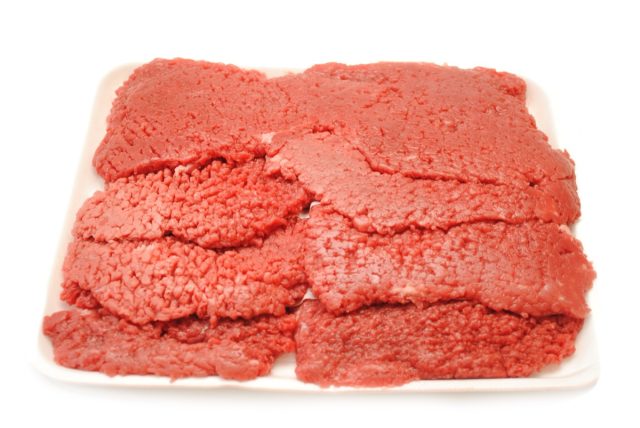
While not a red flag in the sense that you need to avoid it entirely, pay attention to the term “mechanically tenderized”. “Mechanically tenderized beef is important to note from a food safety standpoint. Because the process can push bacteria inside the meat, it should be cooked to a higher internal temperature. That’s more about proper cooking than avoiding it entirely,” says Collingwood.
Red Flag: Natural Without Certification
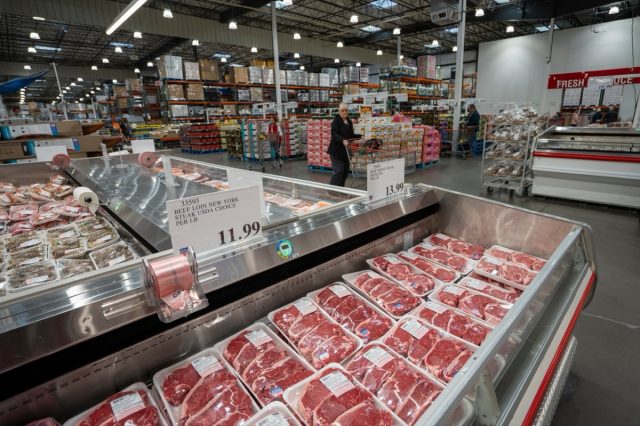
The term “natural” on meat labels is loosely regulated and often misunderstood. “It doesn’t necessarily mean healthier or higher quality, so I encourage people to look for more meaningful certifications like USDA Organic or grass-fed if those are priorities,” says Collingwood.