7 “Unhealthy” Foods That Are Actually Good for You, According to Nutritionists
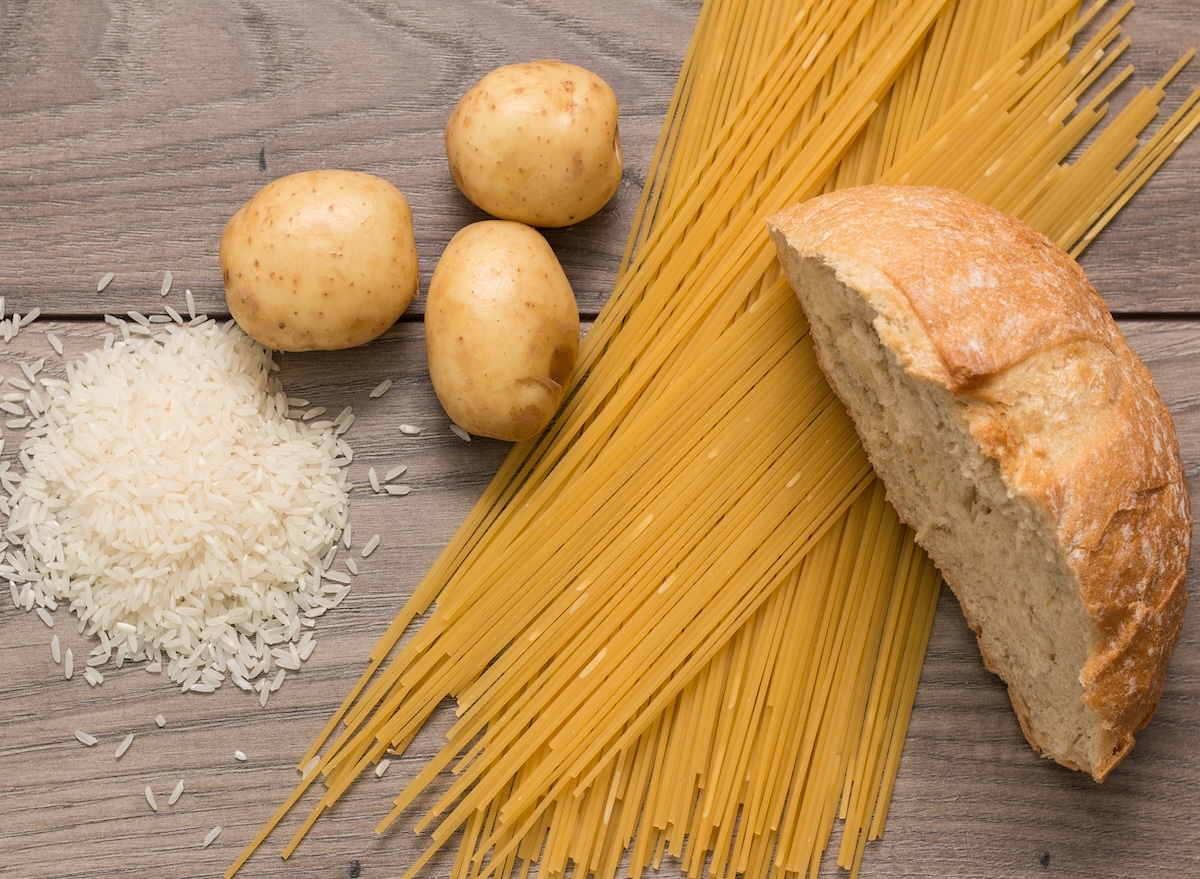

Certain foods get an undeservingly bad reputation when it comes to health. You might be avoiding something you think is bad for you, and missing out on serious benefits. “Most foods labeled ‘unhealthy‘ are only problematic when eaten in extreme portions or highly processed forms. When you look at the whole plate and your overall pattern of eating, many of these foods are not just acceptable, but actually nutritious and satisfying,” says Tara Collingwood, MS, RDN, CSSD, LD/N, ACSM-CPT, a Board Certified Sports Dietitian and co-author of the Flat Belly Cookbook for Dummies. Here are 7 “unhealthy” foods that are actually good for you.
Potatoes

Potatoes get a bad reputation because they’re often fried or loaded with butter, “but the potato itself is incredibly nutrient dense. And yes, I am talking about white potatoes!” says Collingwood. “They are full of potassium, vitamin C, and fiber (when you keep the skin on). A baked or roasted potato can be a very balanced, satisfying carbohydrate source.”
Pasta
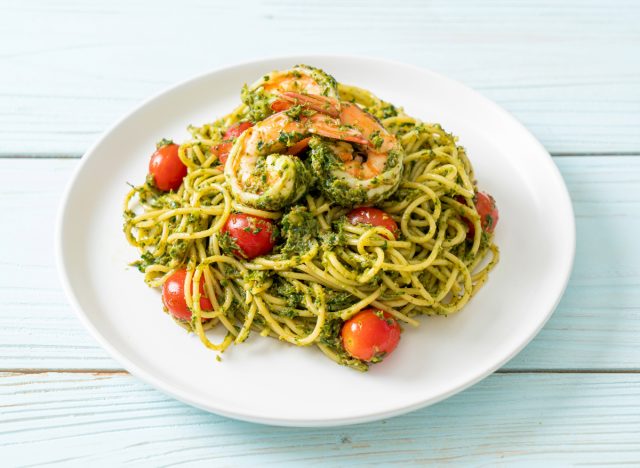
Pasta isn’t the enemy but portion extremes are, says Collingwood. “Pasta provides steady carbohydrates for energy, and when you pair it with protein, veggies, and healthy fats, it becomes a completely balanced meal. The problem isn’t pasta itself, it’s when the plate is all pasta with nothing else,” she says.
Eggs

Yes, you can eat eggs, and even the yolk! “Eggs were demonized for years because of cholesterol, but current research shows dietary cholesterol doesn’t impact blood cholesterol the way we once thought. Eggs are one of the most nutrient rich,” says Collingwood.
Full-Fat Dairy

You don’t need to stick to low fat dairy products. “Full fat dairy can be a great choice for satiety and blood sugar control. The fat helps you feel fuller longer, and research shows it doesn’t increase heart disease risk the way older guidelines suggested. Like anything, it’s about portion size and what fits your lifestyle,” Collingwood tells us.
Dark Chocolate

Dark chocolate is rich in antioxidants and can absolutely be part of a balanced diet. “The key is choosing higher cocoa content (ideally 70% or above) so you get more of the flavanols and less added sugar. A small amount can support heart health and satisfy cravings,” says Collingwood.
Peanut Butter
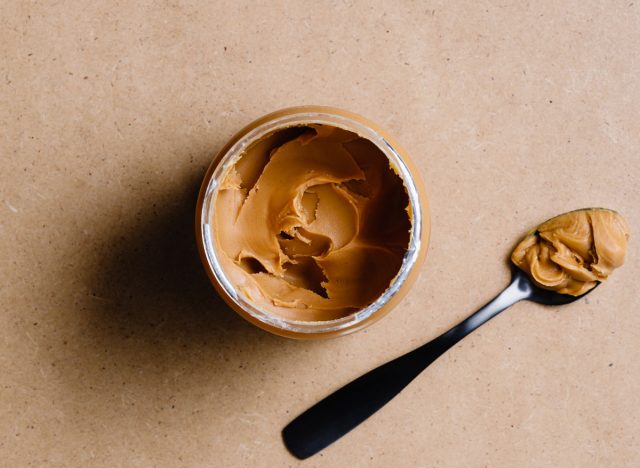
And, peanut butter also offers health benefits. “People fear peanut butter because it’s high in calories, but those calories come with healthy fats, protein, and fiber. It’s incredibly satisfying and can actually help with appetite control. Just stick to varieties without added sugars or oils,” says Collingwood.
Bread
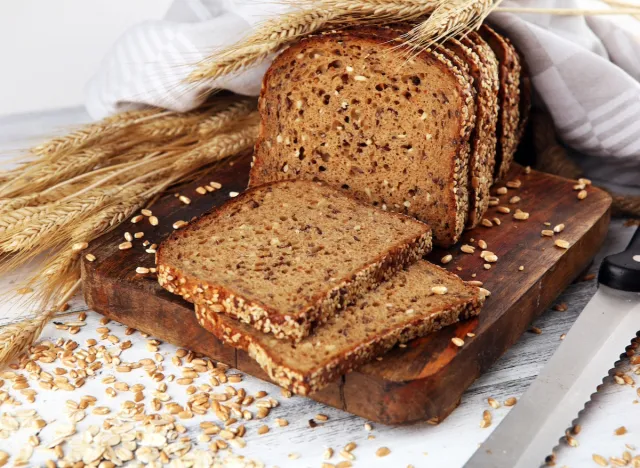
And finally, bread. “Bread isn’t ‘bad,’ but rather it’s the type and context that matter,” explains Collingwood. “Whole-grain or sourdough breads provide fiber, B vitamins, and steady energy. Pairing bread with protein and healthy fat helps keep blood sugar stable. What we want to avoid is labeling carbs as the enemy.”