4 Best Store-Bought Meat for Fall Stews, According to Butchers
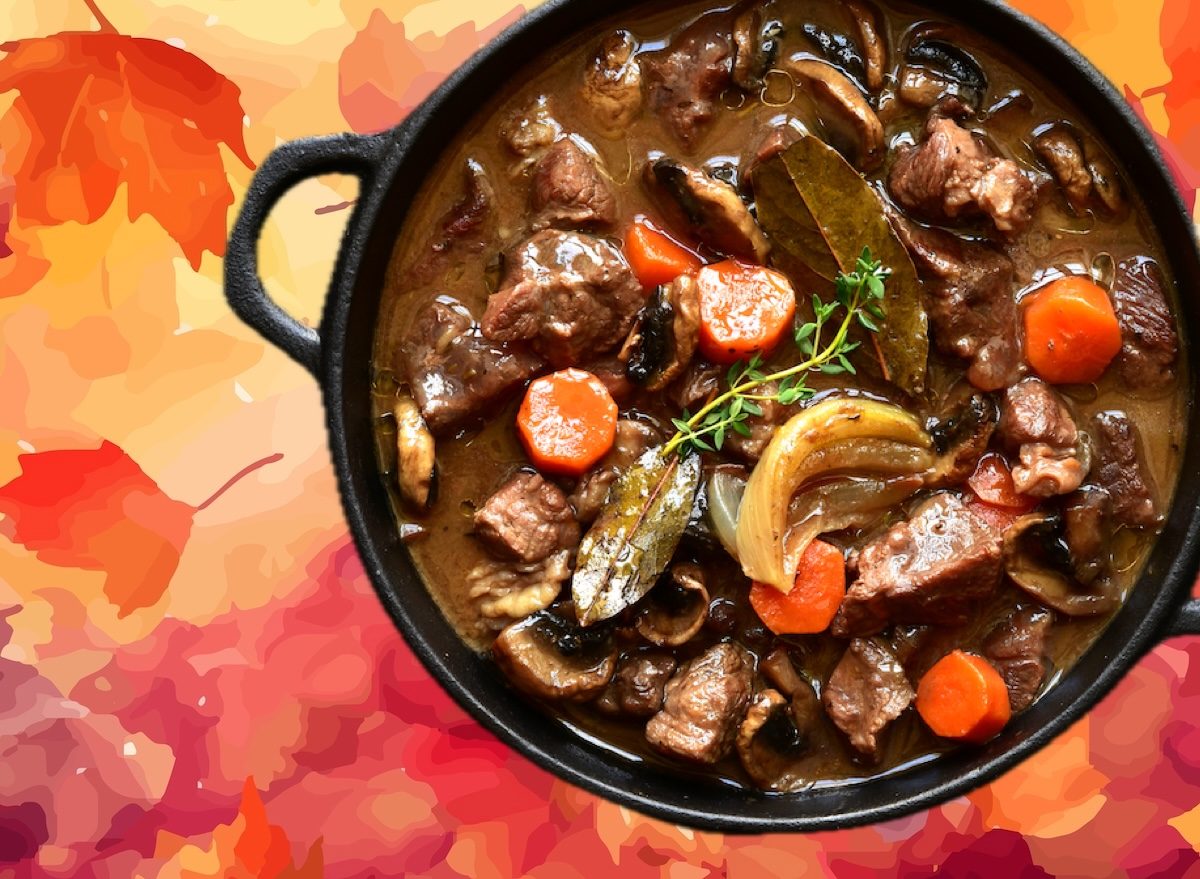

A great stew starts long before you turn on the stove. While pre-cut stew meat may seem like the easiest option, choosing the right cut is what determines whether your finished dish is rich and tender or dry and disappointing. According to Jorge Thomas, chef and butcher and founder of Swaledale Butchers, there are four cuts that create a deeply flavorful stew that improves with slow cooking. Here are the ones he recommends.
Mistakes to Avoid
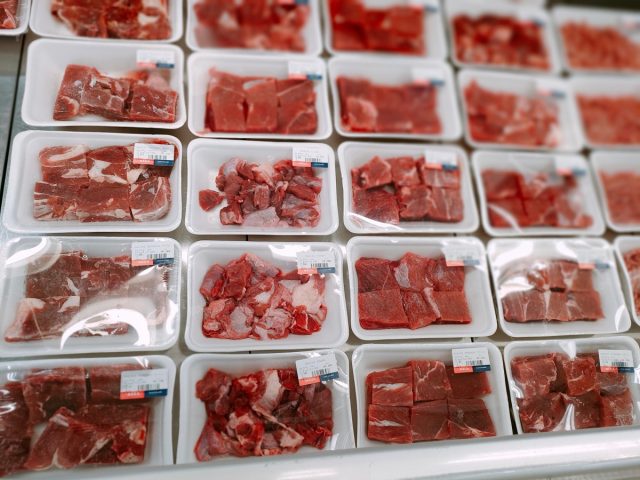
Even the best recipe can’t make up for the wrong cut of meat. Thomas says one common shopping shortcut can leave your stew dry instead of fall-apart tender. “The mistake is usually made in the shop, not at the stove,” he states. “Those neat little packs of diced beef look convenient, but they’re often too lean and they cook up dry. For stew you want fat, collagen and a cut that has done some work.”
Beef Chuck
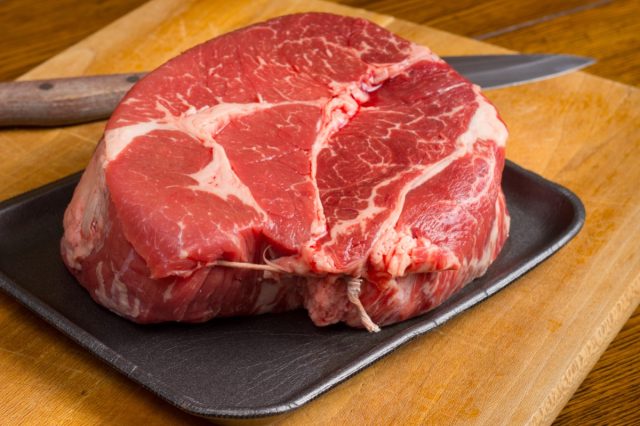
If you’re looking for a dependable all-purpose cut, beef chuck is the classic choice. Its balance of marbling and connective tissue allows it to become fork-tender while developing the rich flavor that’s essential in a hearty stew. “Beef chuck is where I’d send most people,” Thomas shares. “It has fat, flavor and enough structure for a long cook.”
Beef Shin
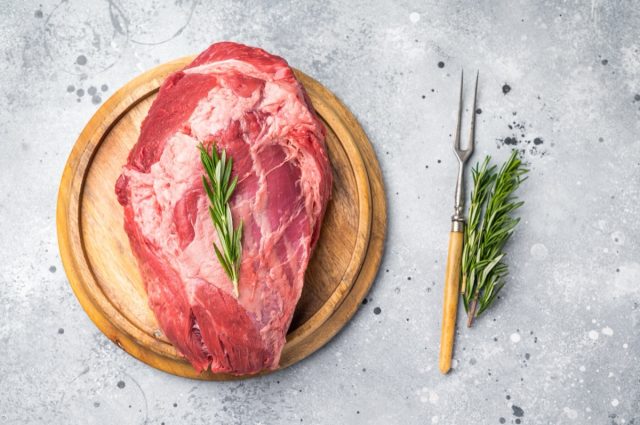
For an even richer stew, beef shin is worth the extra cooking time. Packed with collagen, this hardworking cut slowly breaks down as it simmers, creating a silky, full-bodied sauce that’s difficult to achieve with leaner meat. “Beef shin is even better if you’re patient, because all that collagen breaks down slowly and gives the sauce body,” Thomas explains. “Lean beef will never do that in the same way.”
Short Ribs
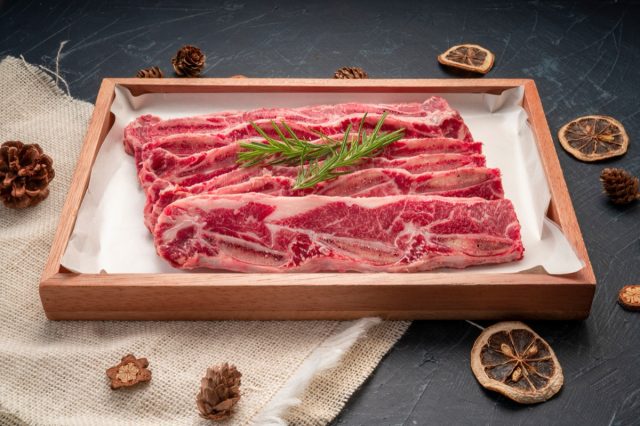
Short ribs are an excellent option when you want a more luxurious stew. The combination of bone, fat, and marbled meat adds exceptional depth and richness to the broth as everything cooks together. According to Thomas, “Short ribs are good if you want something richer, because you’ve got bone and fat helping the pot along.”
Lamb Shoulder
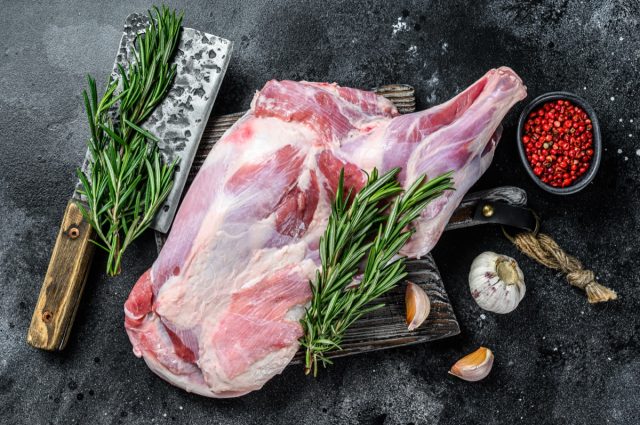
When making lamb stew, the shoulder is the cut that delivers the best results. Its higher fat content keeps the meat moist during long cooking, while its robust flavor pairs beautifully with herbs, wine, root vegetables, and other slow-cooked ingredients. “Lamb shoulder is the one I’d use for lamb stew, rather than leg,” Thomas says. “The shoulder has fat and flavor. Garlic, rosemary, beans, wine, root vegetables, it can go in a lot of directions.”