If You Can Hold a Bridge This Long After 60, Your Core Strength Is Top-Tier
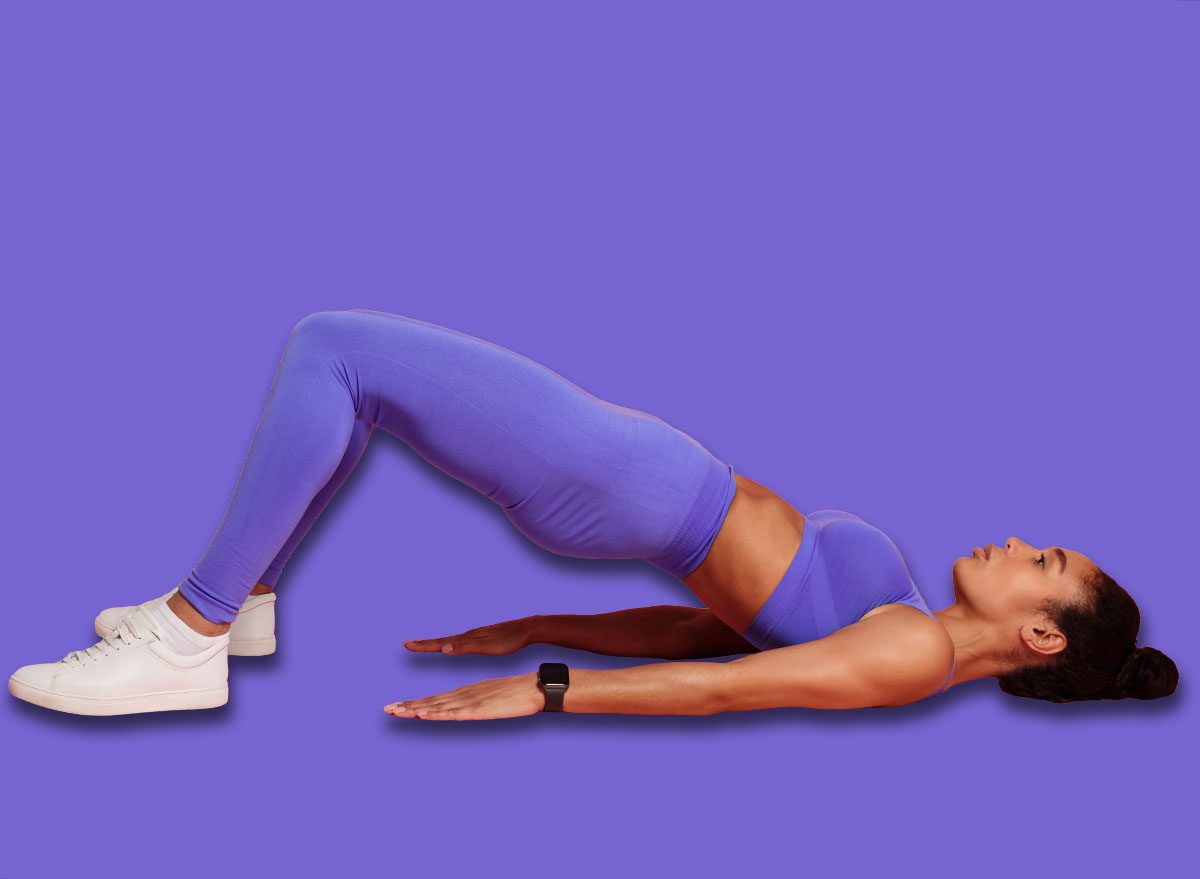

If your goal is to build core strength, bridge holds should definitely be a priority in your workouts. For this exercise, you lie flat on your back with knees bent and feet flat on the floor as you lift your hips and form a straight line from your knees to your shoulders. Sounds like fun, right? It’s extremely productive, since holding the position activates your transverse abdominis and forces your muscles to stabilize your pelvis and spine.
If you’re already a fan, you can check just how strong your core is. According to Jacob Siwicki, founder and head coach of Siwicki Fitness, NCSF and AFAA certified, former top 1% globally ranked Equinox group fitness instructor (2019), Dartmouth economics graduate and former Dartmouth football player, fitness expert on FOX 5 DC, ranked #1 personal trainer in D.C. in 2021, if you can hold a bridge this long after 60, your core strength is considered top-tier.
What Makes the Bridge Hold Test So Effective?
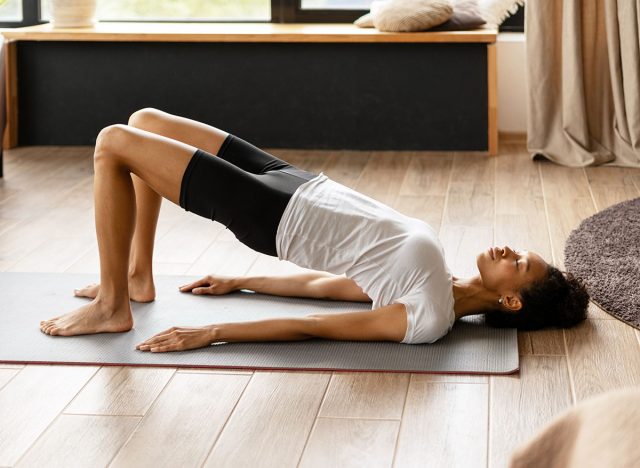
Siwicki says the bridge is an excellent test because it’s totally “honest.” In other words, you can’t fake it.
“You hold the position and let the back of your body do the work, so it shows me how strong and how durable the glutes, hamstrings, low back, and deep core are when they’re working together,” he tells us. “That’s the engine for basically everything you do standing up, and it’s safe because you’re on your back the whole time.”
Muscles Trained
When performing a bridge, your hamstrings and glutes drive your hips up, while your deep core and lower back hold the line.
“A strong, steady hold tells me good glute strength and a stable pelvis, which usually means the whole foundation for walking and lifting is in good shape,” Siwicki says.
How Acing the Bridge Translates To Real Life

Every time you climb a set of stairs, get up from a seated position, or propel your body into your next step, that’s hip extension, which is what a glute bridge helps you build
“Strong glutes mean standing up is easier, stairs feel less like a project, your walk’s got more drive, and your knees and low back take less of a beating. Hard to think of a better bang-for-buck thing to build at this age,” Siwicki says.
If You Can Hold a Bridge This Long After 60, Your Core Strength Is Top-Tier
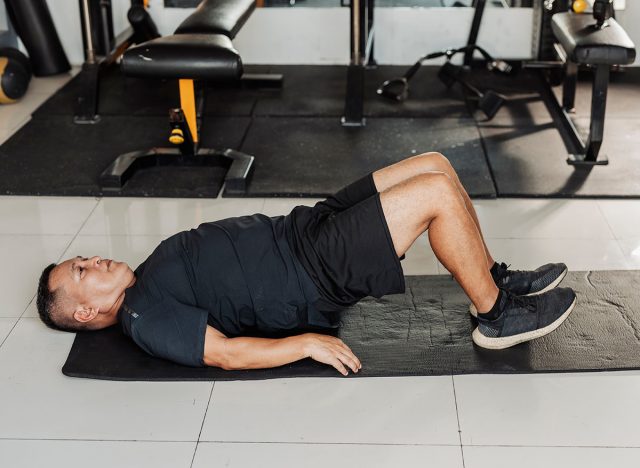
According to Siwicki, “top-tier” means being able to hold a bridge with proper form for roughly 60 seconds. You’ll drive your hips all the way up and keep them level—no cramping or sagging. Thirty seconds serves as a solid baseline to strive for, and then progress from there.
“I get those numbers from years with this age group. Thirty shows real endurance, and once you’re past a minute with good form, you’re ahead of plenty of people decades younger. Form beats the stopwatch every time though. A shaky, drooping 60 doesn’t beat a clean 30,” Siwicki says.