If You Can Do This Many Chair Dips After 55, Your Upper Body Strength Is Elite
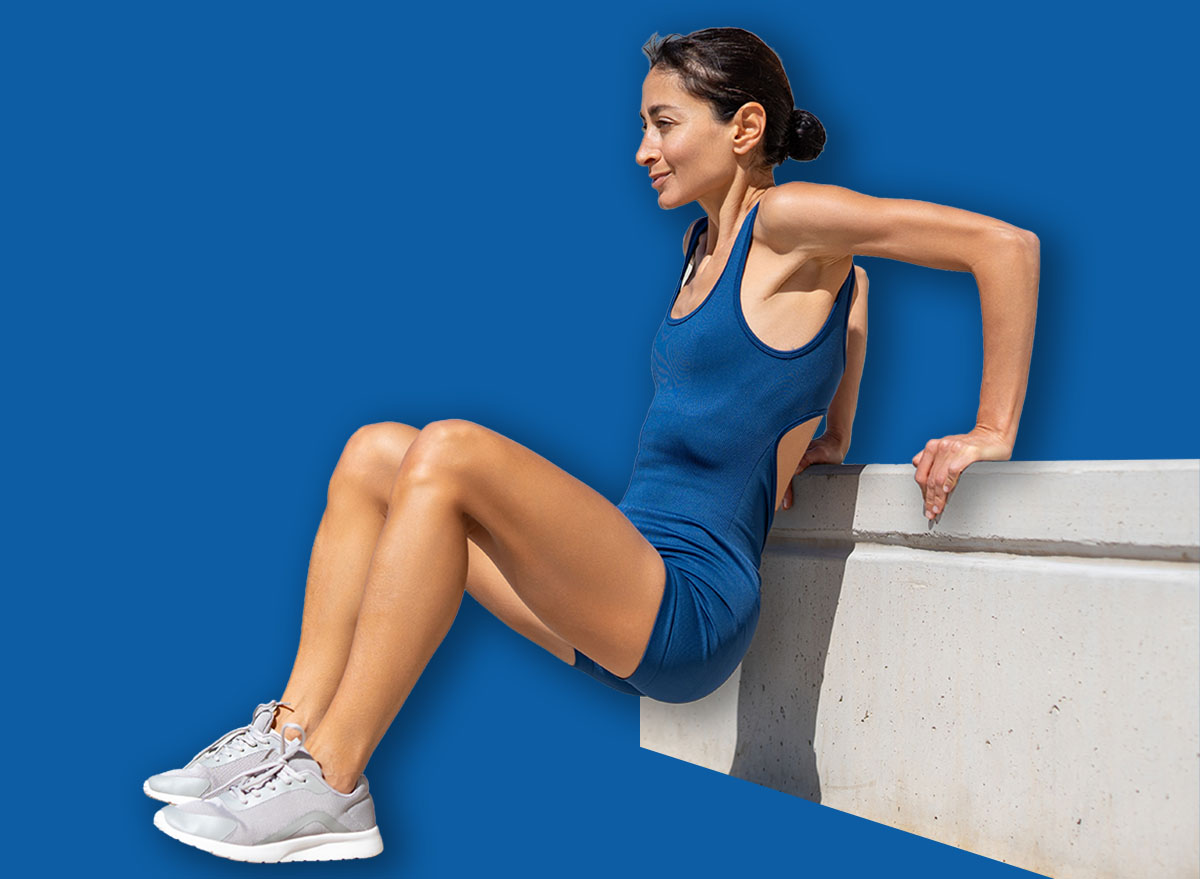

Upper-body strength plays a major role in how confidently you move through daily life, and honestly, probably more than you realize. It helps you push yourself up from a chair, brace during a stumble, and control your body when changing positions. After 55, that strength becomes even more valuable because it supports independence, joint stability, and overall resilience. Chair dips offer a simple yet revealing way to measure how strong your upper body really is.
Chair dips demand coordination from several key muscle groups at once. Your triceps drive the movement, while your shoulders, chest, and core work together to keep your body steady. As fatigue builds, maintaining control becomes the real challenge. When you can perform chair dips continuously with clean form, it indicates that your upper body can generate force and remain stable under load.
This movement also reflects consistency. Chair dips reward people who train regularly, pay attention to technique, and respect gradual progress. Strong numbers often indicate healthy shoulders, capable elbows, and the ability to handle your bodyweight with confidence.
Below, you’ll learn how to perform chair dips correctly, how many reps place you in the elite category after 55, and why this exercise delivers lasting benefits. You’ll also find practical tips to keep your upper body strong and dependable for years to come.
How to Perform Chair Dips
Chair dips look straightforward, but proper setup and control make all the difference. After 55, good technique helps load the triceps while keeping unnecessary stress off the shoulders.
- Sit on the edge of a sturdy chair with your hands placed next to your hips and your fingers pointing forward.
- Extend your legs slightly and slide your hips off the front of the chair.
- Brace your core and keep your chest tall as you bend your elbows.
- Lower your body until your elbows reach approximately 90 degrees.
- Press through your palms to straighten your arms and lift your body back up.
- Reset your posture before starting the next rep.
Move slowly and stop the set if your shoulders roll forward or your elbows flare excessively.
Chair Dip Ranking Scores After 55
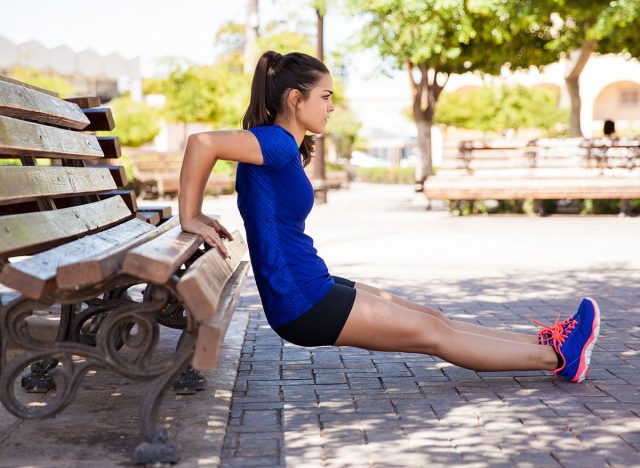
Testing your chair dip ability simultaneously challenges shoulder stability, elbow control, and triceps muscular endurance. As reps accumulate, maintaining clean mechanics becomes the key factor.
These rankings assume controlled chair dips performed continuously with proper form.
- Below Average: Fewer than 5 continuous chair dips
- Average: 5 to 9 continuous chair dips
- Above Average: 10 to 14 continuous chair dips
- Elite: 15 or more continuous chair dips
Hitting the elite range signals strong triceps, stable shoulders, and the ability to control your bodyweight through repeated pushing efforts.
The Benefits of Performing Chair Dips Regularly

Chair dips strengthen the muscles responsible for pushing and supporting your body. They place direct emphasis on the triceps while also engaging the shoulders and chest. Over time, this improves control during everyday movements such as standing up or sitting down.
This exercise also reinforces shoulder stability when performed with good form. Keeping your chest tall and elbows controlled helps maintain healthy joint mechanics. That attention to detail supports long-term comfort and confidence during upper-body tasks.
Chair dips can also elevate your heart rate when performed for higher reps. This adds a conditioning element that complements strength gains. With consistent practice, they help build upper-body endurance that carries over into daily life.
Best Tips for Building and Maintaining Upper-Body Strength After 55
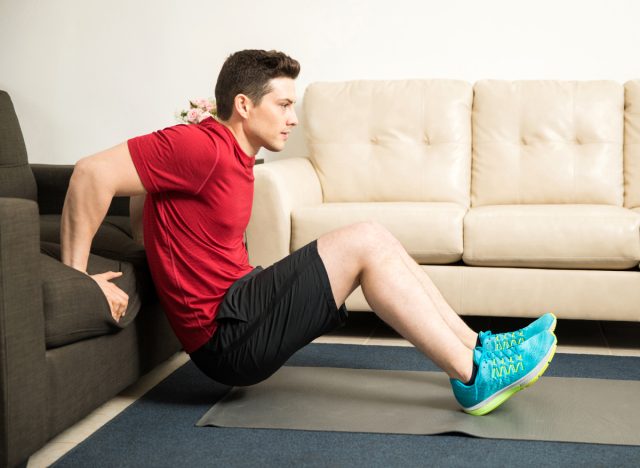
Strong upper bodies come from thoughtful training and smart progressions. These tips help you build strength while protecting your joints.
- Adjust leg position to scale difficulty: Bend your knees to reduce the load or straighten your legs to increase it.
- Limit depth if needed: Stop short of deep elbow bends if your shoulders feel strained.
- Pair dips with pulling exercises: Rows and band pull-aparts help balance shoulder strength.
- Move with control: Smooth, steady reps build strength without unnecessary joint stress.
- Prioritize recovery: Light mobility work and adequate rest support healthy shoulders and elbows.
If you can perform 15 or more clean chair dips after 55, your upper-body strength stands out. More importantly, you’re building the kind of strength that supports confident, independent movement well into the future.
References
- Marterer N, Mugele H, Schäfer SK, Faulhaber M. Effects of Upper Body Exercise Training on Aerobic Fitness and Performance in Healthy People: A Systematic Review. Biology (Basel). 2023 Feb 23;12(3):355. doi: 10.3390/biology12030355. PMID: 36979047; PMCID: PMC10045299.
- Kholinne E, Zulkarnain RF, Sun YC, Lim S, Chun JM, Jeon IH. The different role of each head of the triceps brachii muscle in elbow extension. Acta Orthop Traumatol Turc. 2018 May;52(3):201-205. doi: 10.1016/j.aott.2018.02.005. Epub 2018 Mar 2. PMID: 29503079; PMCID: PMC6136322.