5 Red Flags to Watch for on a Frozen Fish Label This April


Frozen fish is by far the best way to buy seafood, as it’s usually flash-frozen at sea for optimum freshness. However, many frozen fish items might not be good quality or have degraded, and there are signs to look for before purchasing any items from the freezer aisle. Shoppers who don’t want to waste time making returns (or worse, get ill) should be savvy about their choices. Here are five red flags to be careful of on your frozen fish label this month, including packaging and the appearance of the fish itself.
Detailed Label Info
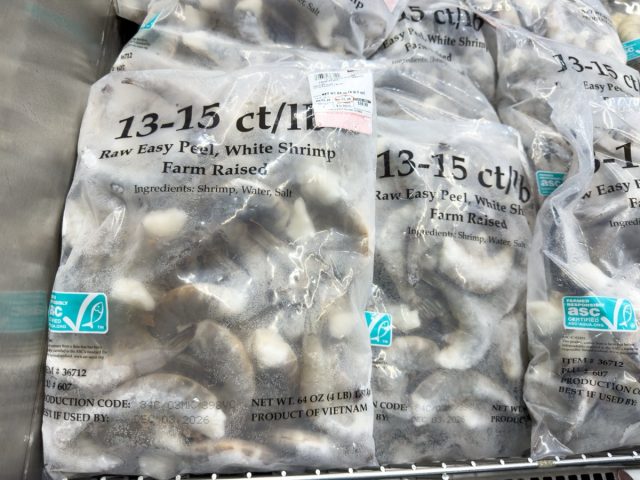
According to the experts at The Fish Farmer, all frozen fish should have a detailed label with the following information listed:
- The type of seafood and its scientific name
- The country of origin
- The method of freezing (flash-frozen, individually quick frozen, etc.)
- The processing date and expiration date.
Ice Crystals and Freezer Burn

Ice crystals are normal in small amounts, not so much in large amounts. “High-quality frozen seafood has no signs of freezer burn or ice crystals on the well-sealed, undamaged packaging,” says Fulton Fish Market. “The color of the seafood inside appears uniform and natural, rather than spotty. Bad quality frozen seafood may show freezer burn or ice on old packaging and the product inside can look discolored, dried out, or frosty.”
Damaged packaging
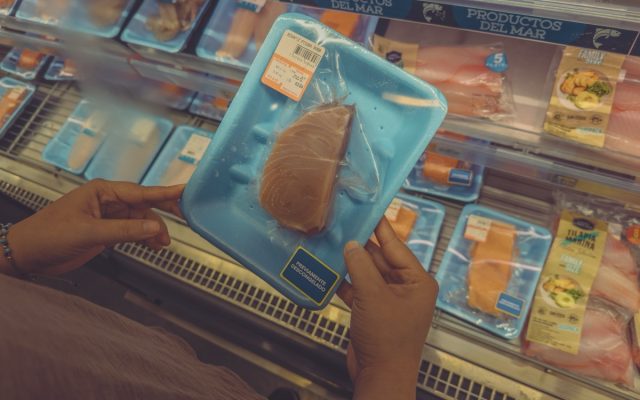
Be careful about buying fish in packaging that has clearly been damaged, the FDA warns. “Don’t buy frozen seafood if its package is open, torn, or crushed on the edges,” the agency says.
Thawed Fish

Check to make sure fish in the supermarket shows no sign of thawing and refreezing. “Frozen seafood can spoil if the fish thaws during transport and is left at warm temperatures for too long before cooking,” according to FoodSafety.gov. “Avoid packages with signs of frost or ice crystals, which may mean the fish has been stored a long time or thawed and refrozen. Avoid packages where the ‘fozen’ fish flesh is not hard. The fish should not be bendable.”
Not Enough Ice
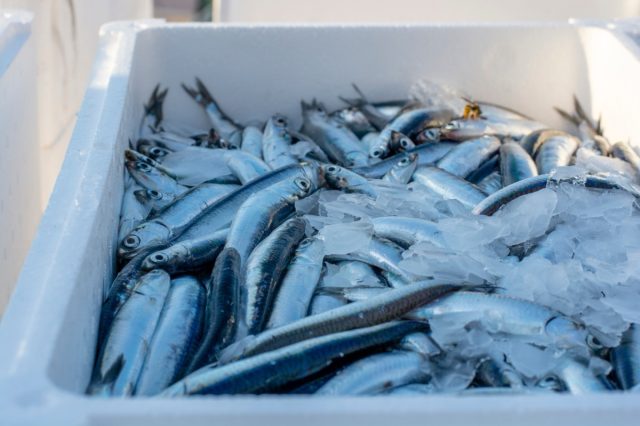
Do not buy fish that is not being properly stored—this is especially important at farmer’s markets and other outdoor places. “Only buy fish that is refrigerated or displayed on a thick bed of fresh ice (preferably in a case or under some type of cover),” says the FDA. “Because the color of a fish can be affected by several factors including diet, environment, treatment with a color fixative such as carbon monoxide or other packaging processes, color alone is not an indicator of freshness.”