5 Red Flags to Watch for on a Frozen Seafood Label Before You Buy This April

Checking labels is important no matter what you buy, but it’s especially crucial for meat and seafood. These items can make you very sick if not stored properly, so shoppers need to know what to look for when stocking up on their favorite items. Aside from sell-by dates and ingredients, packaging on frozen seafood can give you plenty of warning about potential danger: Here are five red flags to watch out for when buying frozen seafood.
Soft Frozen Fish
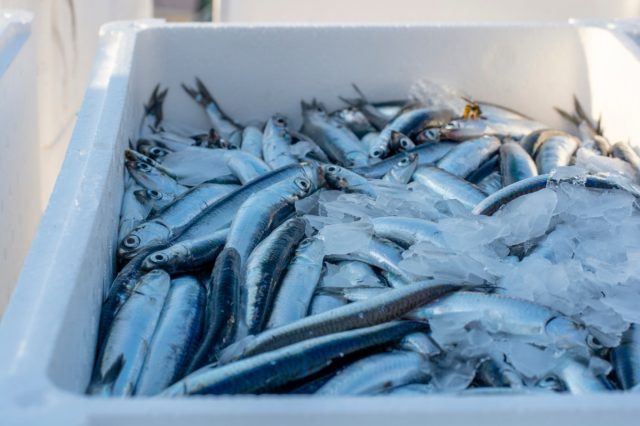
Frozen fish should be rock hard, not soft and bendy, the FDA warns. Frozen fish that isn’t hard could mean it’s been improperly frozen and stored at the wrong temperature, making it a risk to consume. “Frozen seafood can spoil if the fish thaws during transport and is left at warm temperatures for too long before cooking.”
Check Label Tags
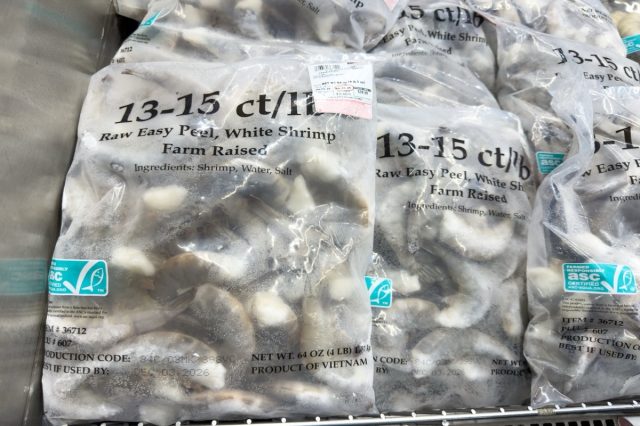
Make sure your frozen shellfish have tags that clearly show processing numbers. “Look for tags on sacks or containers of live shellfish (in the shell) and labels on containers or packages of shucked shellfish,” says the FDA. “These tags and labels contain specific information about the product, including the processor’s certification number. This means that the shellfish were harvested and processed in accordance with national shellfish safety controls.”
Crushed or Torn Packaging
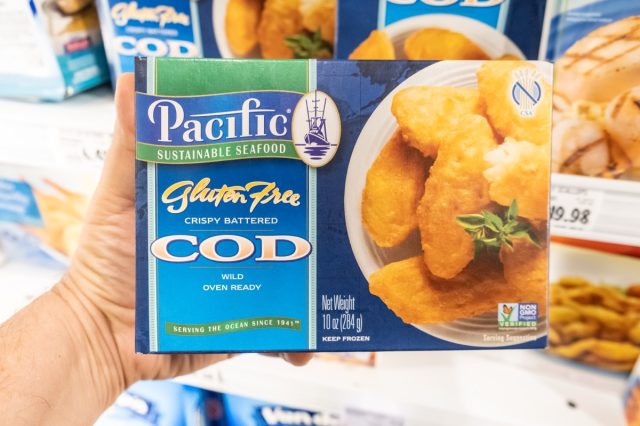
The FDA says customers should not buy frozen seafood if its package is open, torn, or crushed on the edges. There’s a chance the vacuum-packed plastic might have been pierced, and there’s also a higher chance of large ice crystals forming without the correct unspoiled packaging.
Check Temperature Indicators
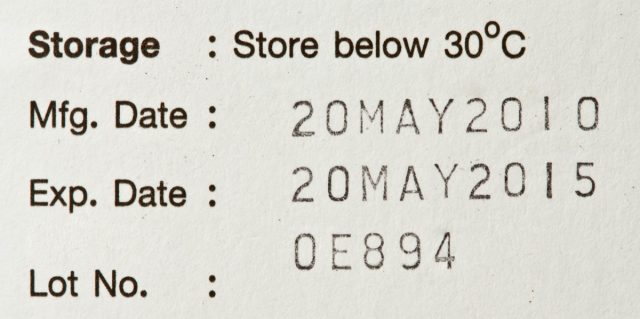
Always check temperature indicator labels on previously frozen seafood. “Some refrigerated seafood may have time/temperature indicators on their packaging, which show if the product has been stored at the proper temperature,” the FDA says. “Always check the indicators when they are present and only buy the seafood if the indicator shows that the product is safe to eat.”
Expensive Additives
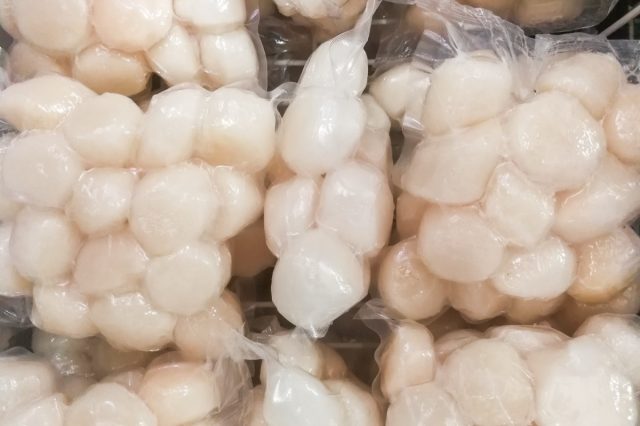
Are there additives in your seafood that cost you money? “‘Wet’ or ‘juiced’ scallops are a racket,” Will Plamondon, director of wholesale operations at Chicago’s The Fish Guy, told Tasting Table. “They’ve been soaked in phosphates to retain water, so you’re paying $25 a pound for tap water.”