I’m a Dietitian and These Are the Only 5 Snacks I Tell Clients to Eat for Weight Loss
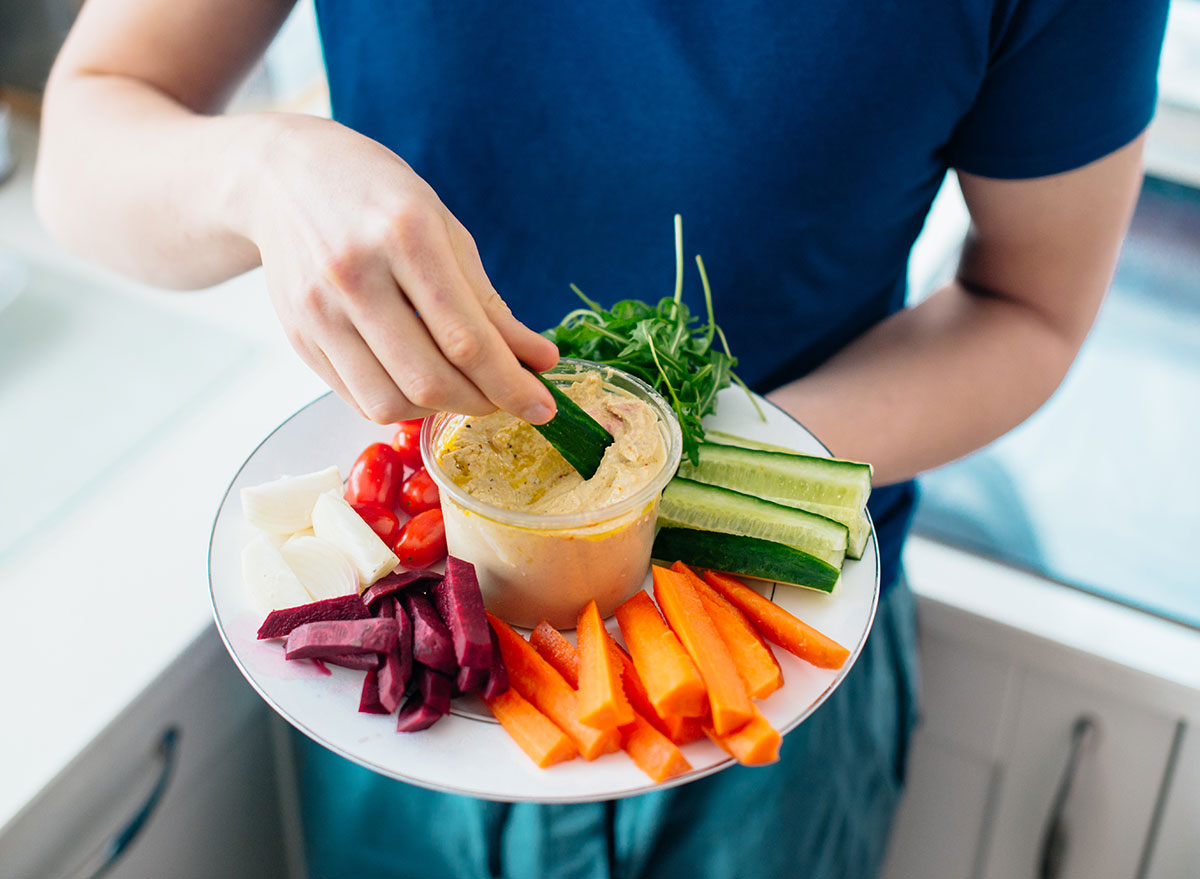

Spring is right around the corner, which makes it an incredibly popular time to getting into shape. If you’re considering dieting, setting yourself up for success starts with an optimized grocery list. Having the right items on hand can make all the difference in your efforts—especially when it comes to snacks. After all, late-night snacking can be the downfall of a calorie deficit if you’re unprepared.
To help you get started, we spoke with Dr. Kezia Joy, RDN and Medical Advisor with Welzo, to learn which healthy snacks should be on your list. In fact, these five snacks are the only ones Dr. Joy recommends eating when it comes to weight loss.
The 5 Snacks a Dietitian Recommends for Weight Loss
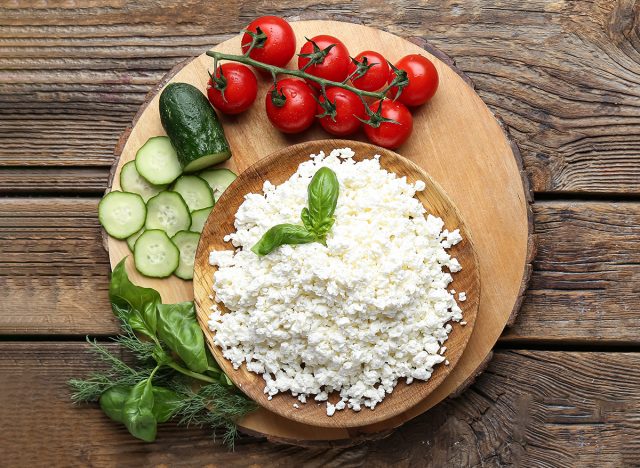
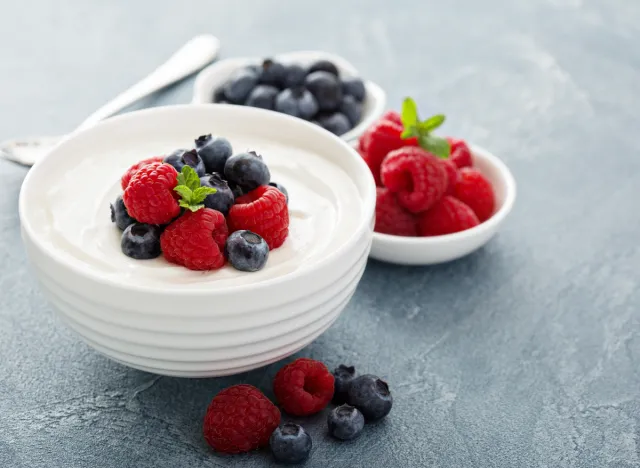
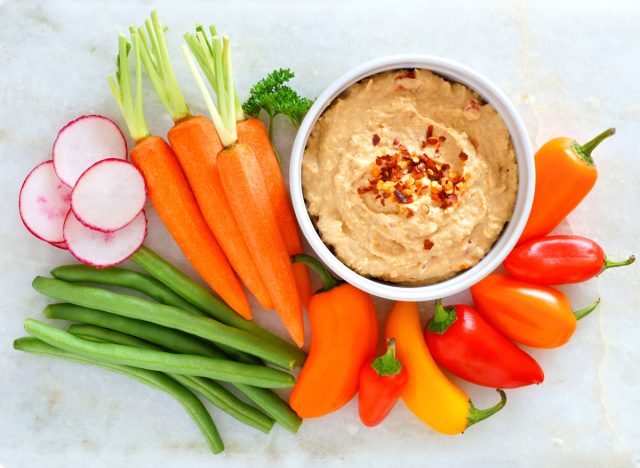
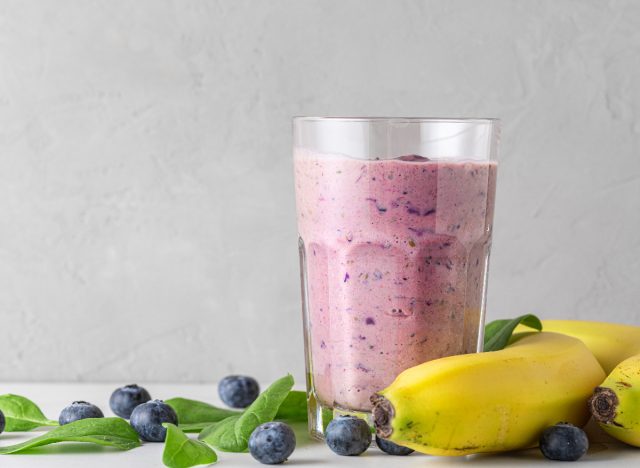
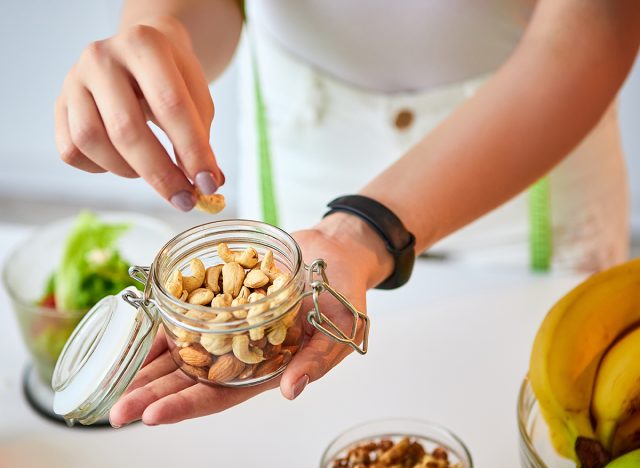
According to Dr. Joy, her five most commonly suggested snacks for weight loss include cottage cheese with vegetables, Greek yogurt with fresh berries, hummus with raw vegetables, an ounce of or a few nuts with a piece of fruit, and a smoothie using whole food ingredients and protein.
Three Key Components That Support Weight Loss
Three essential components that support weight loss are protein, healthy fats, and fiber, with protein serving as the foundation of a weight-loss-approved snack.
“Each [of these options] allows for quick preparation, can be easily incorporated into your daily routine, and will allow you to have a variety of options as you work on losing weight, and help keep you from feeling like you’re being deprived by eating a “snack,'” Dr. Joy explains. “When you eat snacks that are good for you and allow you to meet your nutritional needs, but also limit the amount of calories you consume, you are more likely to continue to make good choices over time.”
How These Snacks Support Satiety and Prevent Overeating
These healthy snack options are chock-full of fiber and protein—both of which promote satiety and take longer to digest compared to other snacks. By decreasing the desire to over-eat during your next meal, you’re establishing more balanced eating habits.
“These types of snack food can assist with maintaining consistent blood glucose levels, and consistent blood glucose levels are very important to regulate your hunger. The less your blood glucose levels fluctuate, the less you will experience hunger,” Dr. Joy adds. “If you are able to control your hunger with snack foods prior to consuming highly processed convenience foods, it may help to limit the amount of highly processed convenience foods you consume during the day.”
Why Many Snacks Derail Weight-Loss Goals
Many snacks are packed with refined carbs and added sugar while adding zero nutritional value to your diet.
As Dr. Joy puts it, “They’re easily digested, but do little to suppress our desire for additional food.” This makes it easy to overeat these snack foods throughout the day, leading to excess calorie consumption.
“Another reason why the snacks I recommend are better than typical snacks is that they have a larger volume of nutrients per serving than typical snacks,” Dr. Joy tells us. “Most snack foods are designed so that we can eat too much of them with very little nutritional value. Therefore, when you choose to eat one of the snacks I recommend, the calories will provide satiety, or fullness.”
Why Snack Timing Matters
Snack timing matters more than you’d think.
“Snacks at appropriate times may prevent an interval of time from one meal to another in which individuals are likely to consume excess calories due to a large gap in time since the last meal. Snacking maintains consistent levels of energy throughout the day,” Dr. Joy says. “A mid-afternoon snack will also help control energy crashes and reduce the likelihood that you’ll feel the need for sweet treats. A balanced snack supports your ability to focus and be productive. Evening snacking should be purposeful (not routine) and based on your body’s need for food as opposed to just eating out of habit. Protein-based snacks are usually the best choice.”