If You Can Do This Many Pushups After 45, Your Upper Body Strength Is Top-Tier
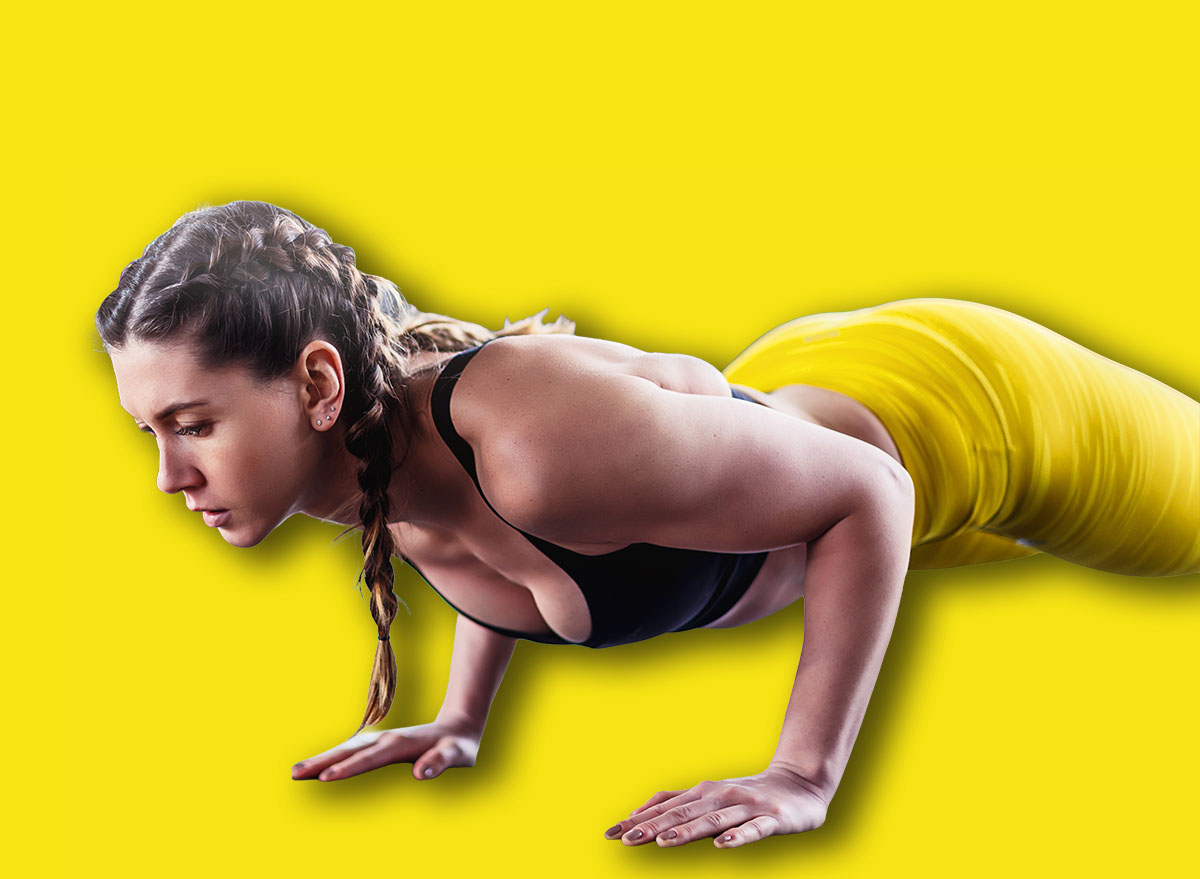

Strong upper-body control grows more valuable after 45, especially when shoulders tighten, posture changes, and muscle mass drops faster than it did in your 20s and 30s. Pushups offer a simple way to measure how well your upper body holds up under real-world demands, they show whether your chest, shoulders, triceps, and core still work together under pressure. When your reps land in a higher range, it signals strength levels that place you well above typical midlife fitness standards. This benchmark gives you a clear marker to chase as you refine your training routine.
Most adults notice their pushup strength dip steadily year after year because their daily habits lack the kind of consistent tension and resistance pushups generate instantly. The stronger movers after 45 keep their technique crisp, maintain solid plank control, and use enough volume in their weekly routine to prevent the slow decline most people assume is inevitable. If you’ve kept even a moderate strength practice alive, your body usually retains the capacity to reach top-tier numbers faster than you expect.
When your pushup count climbs into the upper ranges, your upper body reflects a blend of power, endurance, and core stability that very few people maintain past midlife. These benchmarks highlight what strong shoulders and a durable trunk look like on paper. They serve as a high-performance target for anyone who wants to stay athletic, resilient, and confident as the years move forward.
How to Do Pushups Properly
A clean pushup matters more than a high rep count, especially after 45 when sloppy mechanics place more strain on the wrists, shoulders, and lower back. That means setting up your plank with precision and controlling the entire range so your chest, arms, and core share the work evenly. When your technique stays consistent rep after rep, you build stronger shoulders, a more stable midsection, and a pushup foundation that supports long-term strength growth. Use these cues every time you train to protect your joints and elevate your performance.
How to Do It
- Place your hands directly under your shoulders with your fingers spread wide.
- Brace your core and form a straight line from head to heels.
- Lower your chest toward the floor while keeping your elbows at a 30–45° angle.
- Touch the floor lightly with your chest or stop just before touching.
- Press back up without letting your hips sag or pike.
- Breathe steadily and keep your ribs pulled down to maintain spinal support.
What Your Results Mean

Your pushup count reflects how well your upper body handles coordinated strength under fatigue, making it one of the clearest indicators of functional fitness after 45. Higher numbers show strong chest and triceps endurance, solid shoulder stability, and a core that holds steady under pressure, all traits that keep daily tasks smoother and injury-free. When your reps land in the upper ranges, you operate above the typical performance level for your age group, signaling athletic strength and resilience that carries over into every area of your movement. Even moderate improvement here often means better posture, stronger joints, and greater confidence in your upper-body power.
How to Improve Your Results

A stronger pushup score grows from a blend of better technique, smarter progression, and consistent weekly volume. You build power by reinforcing proper alignment, endurance by stacking controlled reps, and stability by strengthening the deep core muscles that keep your plank tight. Even small tweaks, like slowing the lowering phase or adding incline work, help your body recruit the right muscles and protect your joints. These strategies move your numbers upward and keep your pushups clean, efficient, and repeatable.
How to Improve
- Add incline pushups to build volume without stressing the shoulders.
- Slow your lowering phase to build controlled strength.
- Train partial pushup holds to strengthen stabilizers.
- Use multiple small sets instead of chasing a single high-rep set.
- Strengthen your core separately to support better full-body alignment.
- Practice three times per week, rotating between technique, volume, and power sessions.