5 Seated Exercises That Shrink Stomach Overhang While You Work From Home After 50
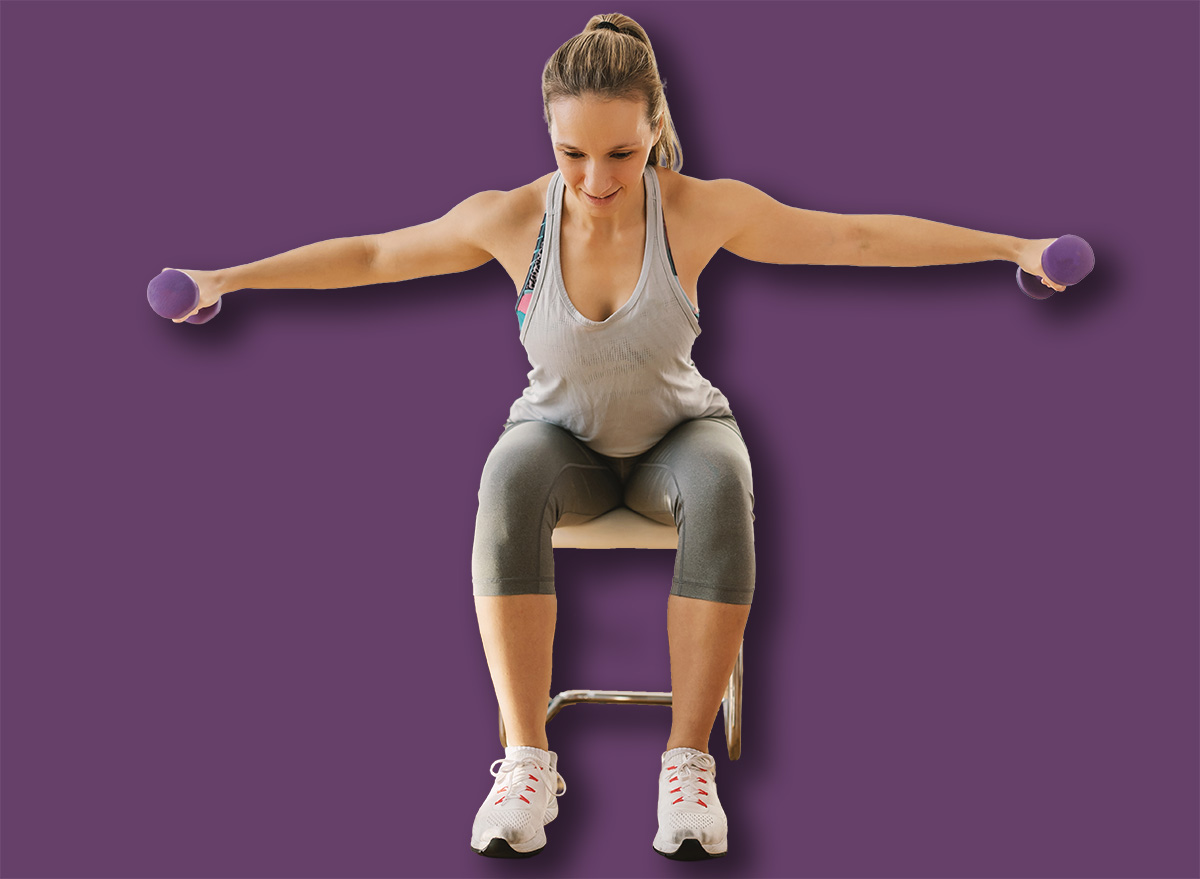

Look, I get it. You’ve been working from home, and that midsection isn’t cooperating like it used to. Here’s what’s really happening: as we age, we start losing muscle mass. And muscle is metabolically active, so when it goes, the body loses its ability to fight off fat the way it used to. Then you throw in working from home, sitting for hours, moving way less than you did when you had an office commute, snacking more because the kitchen is right there. Add in hormonal shifts, and suddenly that stomach overhang becomes this stubborn thing that won’t budge. But here’s the thing: you can actually start turning this around without leaving your chair. I’ve spent years helping people over 50 strengthen their core through Studio Pilates International, and I’m going to show you five seated exercises that fit right into your workday. By the end of this, you’ll know exactly how to put them to work.
You’re probably already sitting. You don’t even need to go anywhere to begin exercising. Exercising in the seated position can actually decrease the chances of adding in cheating movements, increasing the effectiveness of the workout.
Seated Lift Foot
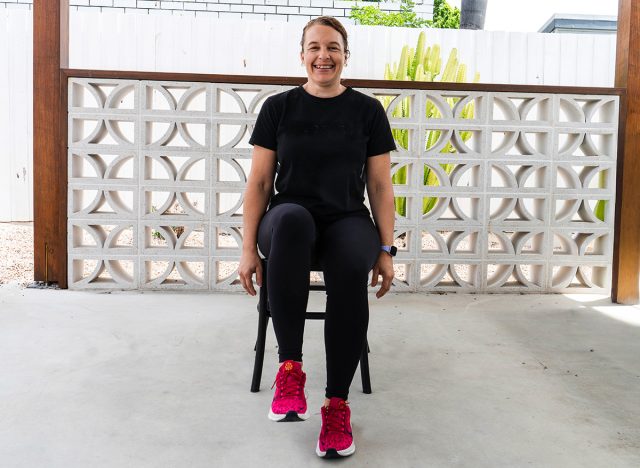
Why it works: Activates the deep lower abdominals and acts as a great warm up for your other exercises
How to do it:
- Sit tall near the edge of your chair
- Gently draw your belly in (like zipping up snug pants)
- Lift one knee, lower, then alternate sides
- Keep your torso still as your legs move
Common mistakes: Don’t lean back, lift your shoulders, or hold your breath
Repetitions: 20
Seated Lateral Raises
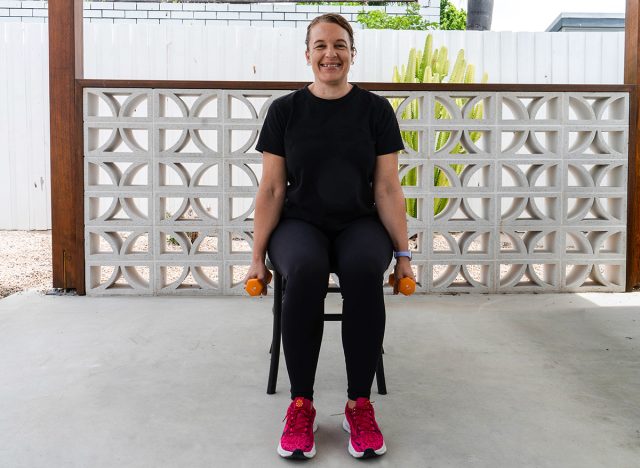
Why it works: Training the arms increases the amount of muscle mass you can gain, increasing your metabolic rate and fat burning capabilities
How to do it:
- Sit tall with the arms straight, hands down next to the hips and holding onto small weights
- Raise the arms sideways to shoulder height, then slowly lower the arms back down
Common mistakes: Don’t move your arms too quickly or shrug your shoulders
Repetitions: 20
Seated Side Bends

Why it works: Strengthens the lateral core and helps reduce side overhang
How to do it:
- Sit tall with the arms straight, hands down next to the hips. One hand is holding a weight. The heavier, the better for this one
- Gently bend to the side away from the weight, then straighten back up to sitting tall
Common mistakes: Make sure you bend from the side of your waist, and don’t shrug your shoulders
Repetitions: 20 (10 each side)
Sit to Stand

Why it works: Challenges the legs and will train the legs, adding more muscle to your frame
How to do it:
- Sit near the edge, feet firmly connected to the floor
- Lean ever so slightly forward and stand up completely. Try not to use your arms at all
- Lower yourself down back to your seat
Common mistakes: Don’t use momentum or your arms to help yourself up
Repetitions: 20
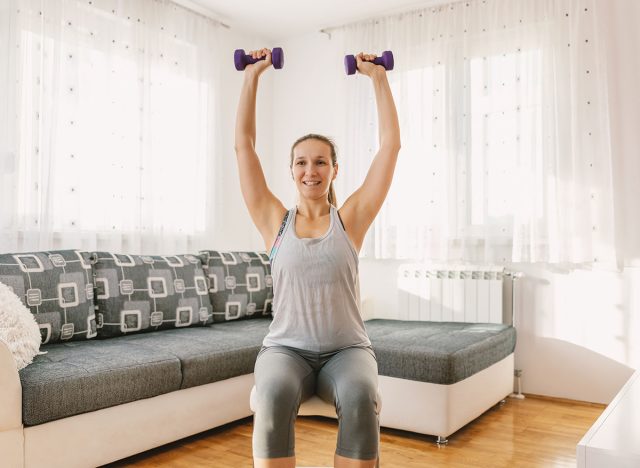
Seated Overhead Press
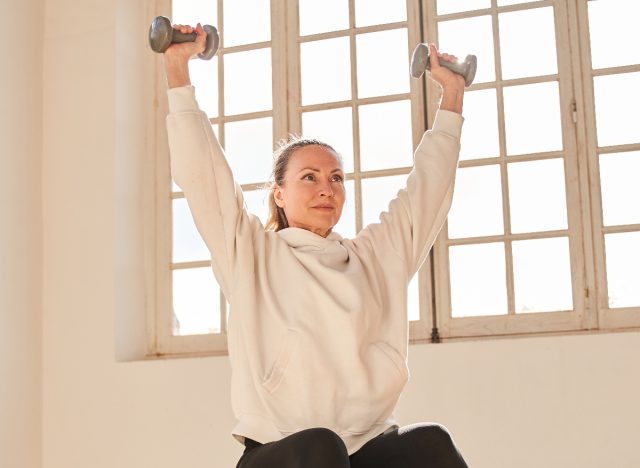
Why it works: Works the arms but also requires great stabilisation through the core and upper back
How to do it:
- Sit tall. Hold onto some small weights, with the hands in front of the shoulders
- Press the arms directly overhead. Lower slowly back to the start position
- Keep your belly gently drawn in
Common mistakes: Don’t tense your neck or arch your lower back
Repetitions: 20
How to Fit These Into Your Workday
Aim for 4 to 5 sessions per week, even if each session is only 5 to 10 minutes. Because these are seated and low impact, it’s easy to add them between meetings, before answering emails, or anytime you feel yourself slouching. If you can squeeze in a session multiple times a day, this work will accumulate quickly and give the muscles a lot of stimulation throughout the week.
Treat them as quick resets rather than full workouts. That mindset helps people stay consistent, which is what actually drives results.
What Results You Can Expect in 4 to 6 Weeks

While these exercises won’t spot reduce fat, people usually notice:
- A flatter-looking midsection from improved posture
- Better activation of the deep core muscles
- Increased stability and ease with daily movements
- Reduced bloating
- Less lower back tension from stronger support through the trunk
Most people feel stronger and more supported within two weeks, and see subtle changes by the four week mark.
Simple Eating Changes That Boost Your Results

Small, sustainable shifts make a big difference:
- Include lean protein at every meal to support muscle maintenance
- Increase fiber through vegetables, berries, beans, and whole grains to reduce bloating
- Stay well hydrated to support digestion and reduce water retention
- Limit sugary or processed snacks, especially during long work from home days
- Balance carbs with protein or healthy fats to keep blood sugar steady
Paired with consistent core work, these changes help the waistline look and feel more toned!