If You Can Hold a Single-Leg Bridge This Long After 60, Your Hip Strength Is Stronger Than 90% of Peers
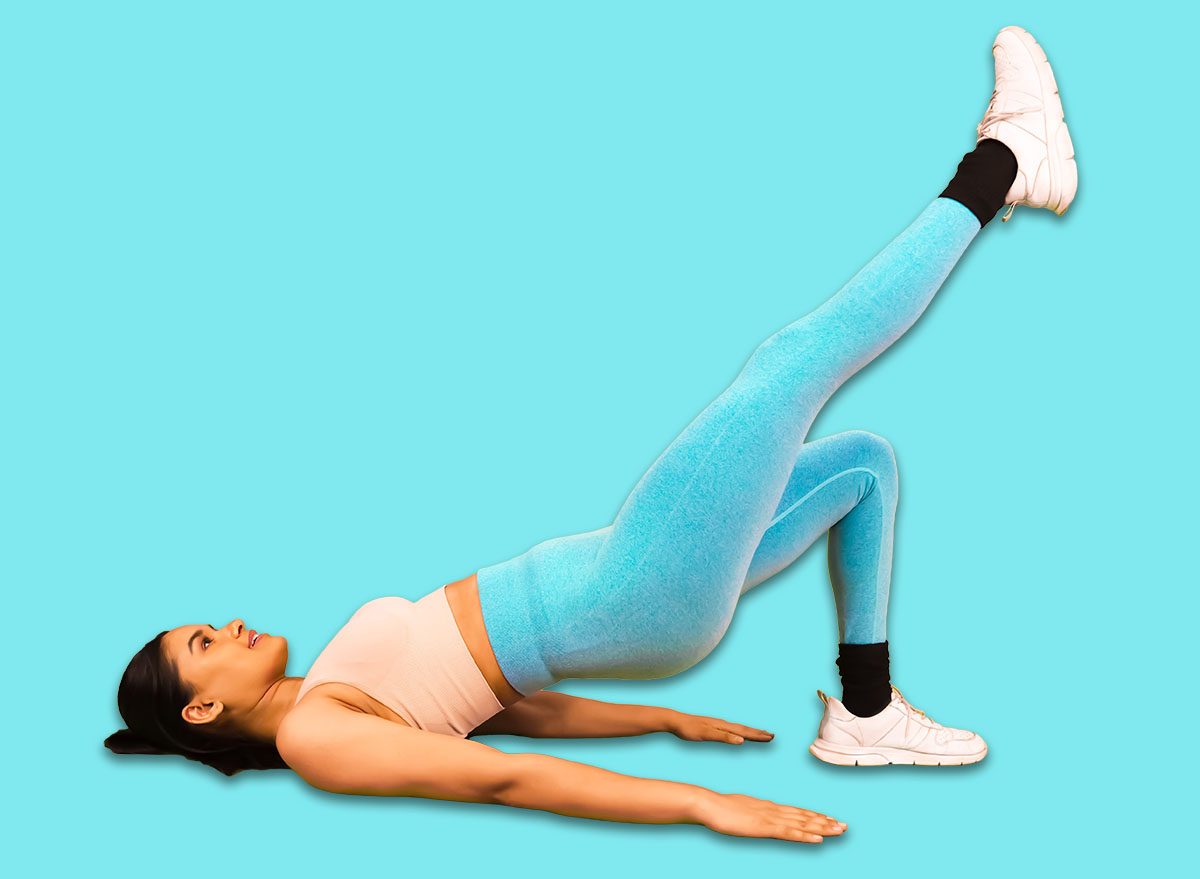

Hip strength is an often overlooked aspect of fitness. It’s involved in practically every functional movement your body makes, from stepping off a curb to rising out of a chair to catching your balance when you stumble. And after 60, your glutes and muscles that stabilize your pelvis are crucial in keeping you mobile and independent as you age, which is why a simple test of their endurance can reveal so much.
The single-leg bridge isolates one side of your posterior chain at a time, quickly revealing whether your glutes, hamstrings, and pelvic stabilizers can control your body under sustained tension. And because it needs no equipment and minimal floor space, it’s easy to test yourself and track your progress.
The best part? Research supports these claims. A 2024 study published in PLOS One tracked community-dwelling older adults over a year and found that greater hip abductor strength was associated with a substantially lower likelihood of falling, identifying it as a protective factor against falls.
To learn more, we spoke with James Brady, CPT, a certified personal trainer at OriGym, about what a strong single-leg bridge hold looks like after 60, how to perform it correctly, and what your result does (and doesn’t) say about your hip strength compared to your peers. Let’s dive in.
(Next up: Don’t miss these 4 Chair Exercises That Rebuild Hip Strength Faster Than Squats After 55.)
How Long Should You Be Able to Hold It?

“If you can maintain a controlled single-leg bridge for around 30 seconds on each side after 60, I would consider that a strong display of hip and posterior chain endurance,” says Brady. “However, I would not describe it as definitively stronger than 90% of your peers, since research has not established age-specific percentile rankings for people over 60.” In other words, a controlled 30-second hold per side is a genuinely strong result and a useful personal benchmark, but the exact percentile is not something the science can pin down. So treat it as a sign of good muscular endurance rather than a precise ranking against everyone else your age.
How to Hold a Single-Leg Bridge
Like any exercise, form is king when it comes to getting the most out of the single-leg bridge hold. Always aim to maintain control during the hold instead of pushing yourself so hard that you compromise form just to reach a certain amount of time on the clock.
“The hold should finish when you can no longer maintain good form, rather than when you simply reach a target time,” Brady says. “If your hips start to drop or drift out of level, that’s your signal to stop and note the time.”
How to do it:
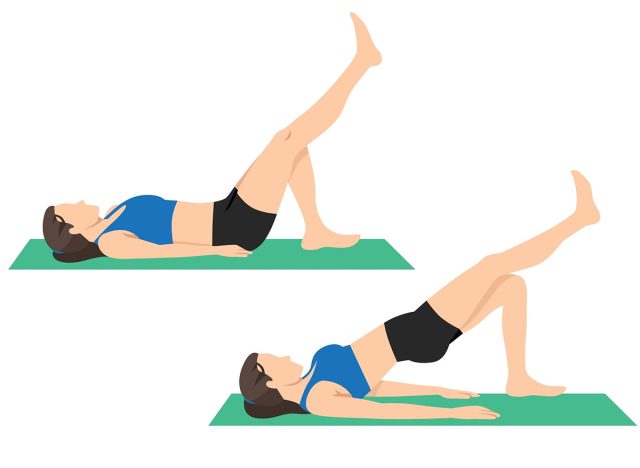
- Lie on your back with one knee bent and the same foot planted, while holding your other leg raised off the floor.
- Push through your planted foot to lift your hips.
- Bring your body into a straight line and keep your pelvis level.
- Hold the position without letting your hips gradually drop.
- Stop when your form breaks down, then note your time and repeat on the other side.
Why This Test Is Important

According to research, the single-leg bridge engages your glutes, hamstrings, and the muscles responsible for stabilizing your pelvis and trunk. “These muscles become increasingly important with age because hip strength is associated with functional tasks such as stepping and maintaining mobility in adults over 60,” explains Brady. “Being able to control your body on one leg for an extended stretch is a useful signal that those muscles are doing their job.”
If you fall short of 30 seconds, no biggie. That’s simply your starting point to improve upon. Plan to retest every few weeks, work on the bridge and other hip-strengthening moves in between tests, and watch your hold time increase as your hip strength improves. The ability to control your body on one leg for an extended period is an excellent sign of good muscular endurance.