The 15-minute Home Routine That Rebuilds Full-Body Strength After 60
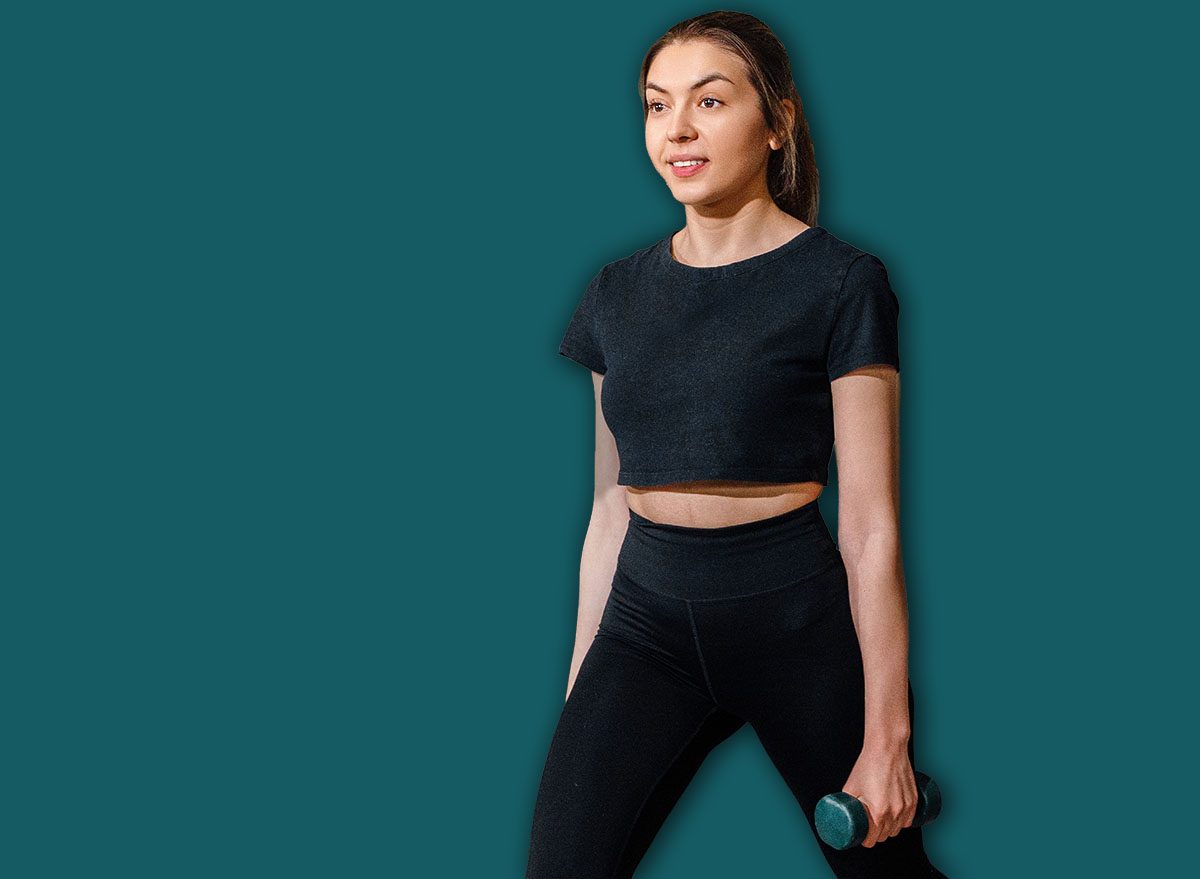

At age 60, your entire muscle system needs to be robust, even for basic tasks. Getting out of bed, carrying groceries, doing laundry; each of these motions requires a combination of lower and upper body working seamlessly together. I’ve spent years helping clients over 60 rebuild strength and increase quality of life through basic exercise you can do at home with your own bodyweight. These movements aren’t complicated, but they work.
The most effective strength movements incorporate multiple muscles at once. Fundamental movement patterns like pushing, pulling, hinging, squatting and carrying prepare you for life’s tasks. And they don’t take long to perform. Short workouts also make it easier to stay consistent with your routine. All you need is 15 minutes to complete this workout. It should be challenging enough, provided you work hard and maintain your form. I always advise clients to never sacrifice technique for extra reps. The goal is always to strengthen your body using effective movement rather than risking injury to feel “extra sore” later.
I’ve coached several clients over 60 who thought they needed heavy barbell training or several hours in the gym to maintain strength. But really, it’s more about quality of movement and the appropriate exercises over high intensity. These exercises below definitely get the job done and most people will find them challenging enough without needing to use any fancy equipment.
This workout challenges your chest, shoulders, arms, core, legs, and hips and all you’ll need is a set of resistance bands and something heavy you can hold in your hands. Perform each movement for 2 minutes for maximum reps, but make sure to start slow the first time you do this workout. Your first goal should just be to complete the 15 minutes. The next time you finish the workout you can start increasing the reps to really push yourself.
Minutes 1-3: Chair Sit-to-Stands
I recommend starting any full-body routine with an exercise that utilizes your hips and your legs. Chair Sit-to-Stands are an excellent squat variation that use quads, glutes, hamstrings, and core. Plus, this exercise mirrors a movement we all need to do every day: sitting down and standing up. You’d be surprised how many people lose the ability and strength to do this movement correctly. Make sure to lower with control rather than using gravity to pull you down onto the chair. You can always use extra assistance and hold onto the chair’s arms or a nearby wall if you need to.
How to Do It
- Sit on the edge of a sturdy chair.
- Place your feet shoulder-width apart.
- Lean forward slightly.
- Press through your heels to stand.
- Squeeze your glutes at the top.
- Lower slowly.
- Repeat for 3 minutes.
- Go at your own pace. You can take breaks if you need to.
Minutes 4-6: Wall Push-Ups
Now, it’s time to press. Push-ups strengthen the chest, shoulders, triceps, and also your abs. The nice thing about using a wall is you can control the resistance with your foot position. Stand closer to the wall and you make the exercise more manageable. Stand farther away and you increase the difficulty.
How to Do It
- Stand facing the wall.
- Place your hands just wider than your shoulder-width.
- Walk your feet backward.
- Keep the body straight and your core engaged.
- Bend your elbows and lower your chest toward the wall.
- Push back to the start.
- Press for 3 minutes.
Minutes 7-9: Standing Hip Hinges
The next fundamental movement pattern we’re covering is the hinge. A good hip hinge requires strong hamstrings, glutes, and engaged abdominals. Just like squatting and pressing, everyone needs the ability to hinge. We hinge everyday when we pick things off the ground. It’s all about pushing your hips backward and forward. You can start with bodyweight–only and then hold a pair of weights (dumbbells, kettlebells, even milk jugs or bags of books if you don’t have traditional weight lifting equipment) later if you want more resistance.
How to Do It
- Stand with feet hip-width apart.
- Keep the knees slightly bent.
- Place your hands on your hips.
- Push your hips backward.
- Keep your back neutral and chest open.
- You should feel tension through your hamstrings and the hips travel back.
- Drive your hips forward and stand tall
- Hinge for 3 minutes.
- If you decide to hold weights, keep them close to your thighs as you complete the reps, rather than letting them drop forward.
Minutes 10-12: Resistance Band Rows
Pulling movements require back strength, forearms, biceps, shoulders, and grip. Attach the band at chest height to a stable object across from you. One of the major benefits of pulling is it keeps your shoulders healthy and improves posture. Too much pressing and you risk the shoulder being pulled forward and away from the body. This, compounded with common lifestyle factors like excess screen time leads to poor posture (and even injury in some cases). But, horizontal pulling exercises like Resistance Band Rows help strengthen the shoulders and build the posture muscles that keep your scapulae healthy. With these, you’ll decrease risk of injury and increase pulling strength at the same time. Just make sure to keep your shoulder blades pulled down and back as you pull.
How to Do It
- Secure a resistance band at chest height.
- Hold one end in each hand.
- Stand tall with arms extended.
- Set your scapula by pulling your shoulder blades back and down.
- Pull your elbows backward towards your torso, letting your arms bend.
- Stop when the band reaches the lower chest.
- Pause briefly.
- Return your hands back to the starting position with control.
- Repeat for 3 minutes, taking breaks as needed.
Minutes 13-15: Farmer’s Carry
Finally, let’s finish the circuit with another fundamental movement pattern: carrying. Everyone needs to be able to carry things: groceries, boxes, hardwear, furniture. Farmer’s Carries tax the forearms, core, shoulders, grip and entire body’s stability. Pick a weight that’s challenging to hold, but doesn’t feel like it’s going to destroy your posture. The goal here is to carry the weights for 3 minutes without stopping (although you can if you need to).
How to Do It
- Hold a dumbbell or kettlebell in each hand.
- You can use household items if you don’t have weights.
- Stand tall with shoulders relaxed.
- Tighten your core.
- Let your arms naturally fall at your sides.
- Walk with slow, controlled steps.
- Maintain an upright posture.
- Continue for 3 minutes.