5 Standing Exercises That Restore Muscle Tone Faster Than Lifting Weights After 65
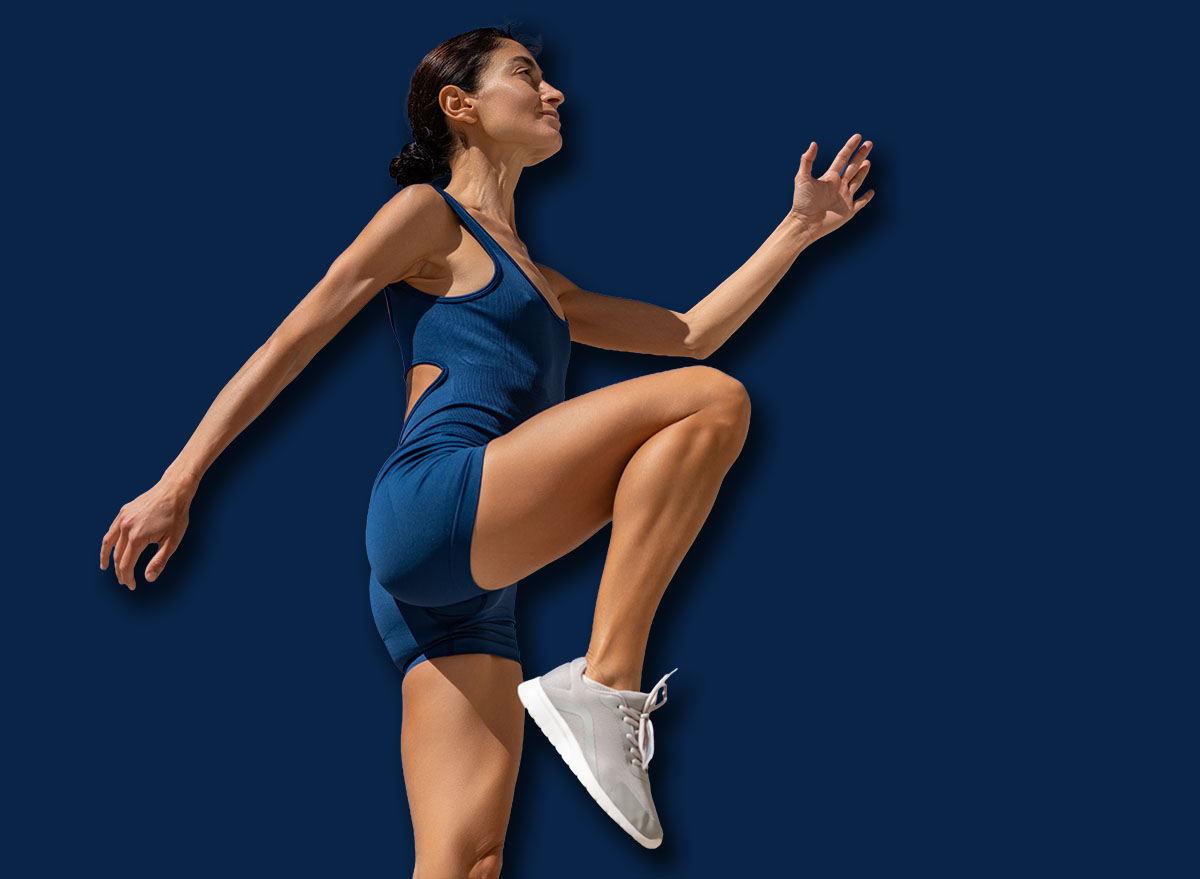

As you age past 65, restoring muscle tone isn’t just about lifting heavier or spending hours on gym machines. Your body responds exceptionally well to functional strength patterns that integrate multiple muscle groups, demanding balance, coordination, and deep stabilization in a single movement. That’s why standing exercises often produce faster and more meaningful tone improvements than isolated machine lifts, they simulate real-world movement far better. In fact, research shows that functional training approaches significantly enhance muscle strength, physical functioning, and activities of daily living in older adults, highlighting how targeted movement patterns support strength and muscle tone in daily life.
Unlike static gym equipment, standing strength work forces your stabilizers, hips, core, and limbs to fire together through natural motion. As you lift, pivot, or extend, your nervous system learns to recruit more muscle fibers at once, producing strength gains that carry over into everyday activities like walking, climbing stairs, and picking up groceries. That kind of whole-body responsiveness isn’t just about looking toned, it’s about feeling stronger, steadier, and more capable throughout your day. Standing work helps you build strength without the bulk, joint strain, or positional limitation that often slows progress on weight machines.
These five standing exercises below combine balance, mobility, and progressive tension to help restore muscle tone even if you haven’t lifted weights in years. You’ll train your glutes, shoulders, core, and hips with movement patterns that match what your body actually uses outside of the gym. Move with intention, stay consistent, and your strength gains, and muscle tone, will show up faster than you expect.
Standing Hip Hinge Presses
Standing hip hinges rebuild tone in your posterior chain, the glutes, hamstrings, and lower back, without demanding heavy loads. These muscles lose strength rapidly with age when they aren’t challenged with functional movement, which can leave your posture sagging and your strength lagging. When you perform hip hinges while adding a press motion, your glutes and core engage together, training your body to stabilize under load and reverse age-related weakness. This coordinated pattern restores muscular tone and power more effectively than machines that isolate only one joint at a time.
How to Do It
- Stand tall with feet hip-width apart and core engaged.
- Hinge your hips back like you’re closing a car door with your glutes.
- Drive your hips forward while pressing your hands overhead.
- Keep your spine long and avoid arching through the lower back.
- Perform 10–15 controlled reps.
Side-Step Knee Raises
This lateral standing pattern strengthens your hips and obliques while improving balance and coordination, two areas that significantly decline with age yet rarely get trained on machines. Each side step and knee lift stimulates muscles that wrap around your midsection and hips, revealing definition that often hides under everyday softness after 65. These muscles aren’t just aesthetic; they support your pelvis, spine, and gait, giving you a stronger base for all daily movement. The pair of motion directions simultaneously strengthens and tones your legs and core in a functional, integrated pattern.
How to Do It
- Stand tall with feet together.
- Step out to the right and lift your left knee.
- Return to center and step to the left, lifting your right knee.
- Keep your core braced throughout.
- Continue for 40–60 seconds.
Standing Torso Rotations
Your core doesn’t just sit in one plane, it stabilizes the body as you twist, reach, and rotate in real life. Standing torso rotations train your obliques, deep abs, and lower back through natural movement patterns, creating muscle tone that shows up in improved posture and slimmer waistlines. Machines typically isolate core muscles in non-functional ways, but rotation engages your entire midline, teaching it to stay firm while other parts of your body move. When your core works in synergy with your hips and shoulders, your muscle tone improves far beyond what static isolation lifts deliver.
How to Do It
- Stand with feet hip-width apart and arms extended in front.
- Rotate your torso to the right without moving your hips.
- Return to center and rotate left.
- Keep your abs pulled in and your spine tall.
- Continue for 45–60 seconds.
Standing March With Arm Swing
Adding an arm swing to a knee lift increases muscular engagement across your entire body. Your core must stabilize against rotation while your hip flexors lift each leg, and your shoulder muscles coordinate with the swinging arms. This builds tone in a whole-body pattern that enhances balance, posture, and coordination, all of which influence how strong and defined your muscles look and feel. The rhythmic motion also keeps your heart rate elevated, amplifying calorie burn and muscular response compared with seated machine work.
How to Do It
- Stand tall with shoulders down and core engaged.
- Lift your right knee while swinging your left arm forward.
- Lower and repeat on the opposite side.
- Keep the rhythm steady and controlled.
- Continue for 45–60 seconds.
Standing Alternating Heel Raises
Simple but powerful, heel raises tone your calves and improve ankle stability, two often-overlooked areas that deteriorate with age. When these muscles fire properly, your overall lower-body tone increases, and your gait becomes steadier and more confident. Heel raises also engage your glutes and core as you balance through the movement, creating a compound effect that exceeds what seated leg machines usually stimulate. With repetition, your lower body looks and feels firmer without spending time on isolated gym gear.
How to Do It
- Stand tall with feet hip-width apart.
- Raise your heels off the ground, coming up onto your toes.
- Hold at the top for one second.
- Lower with control and repeat.
- Perform 15–20 reps.