6 Wall Exercises That Shrink Belly Overhang Faster Than Gym Classes After 60
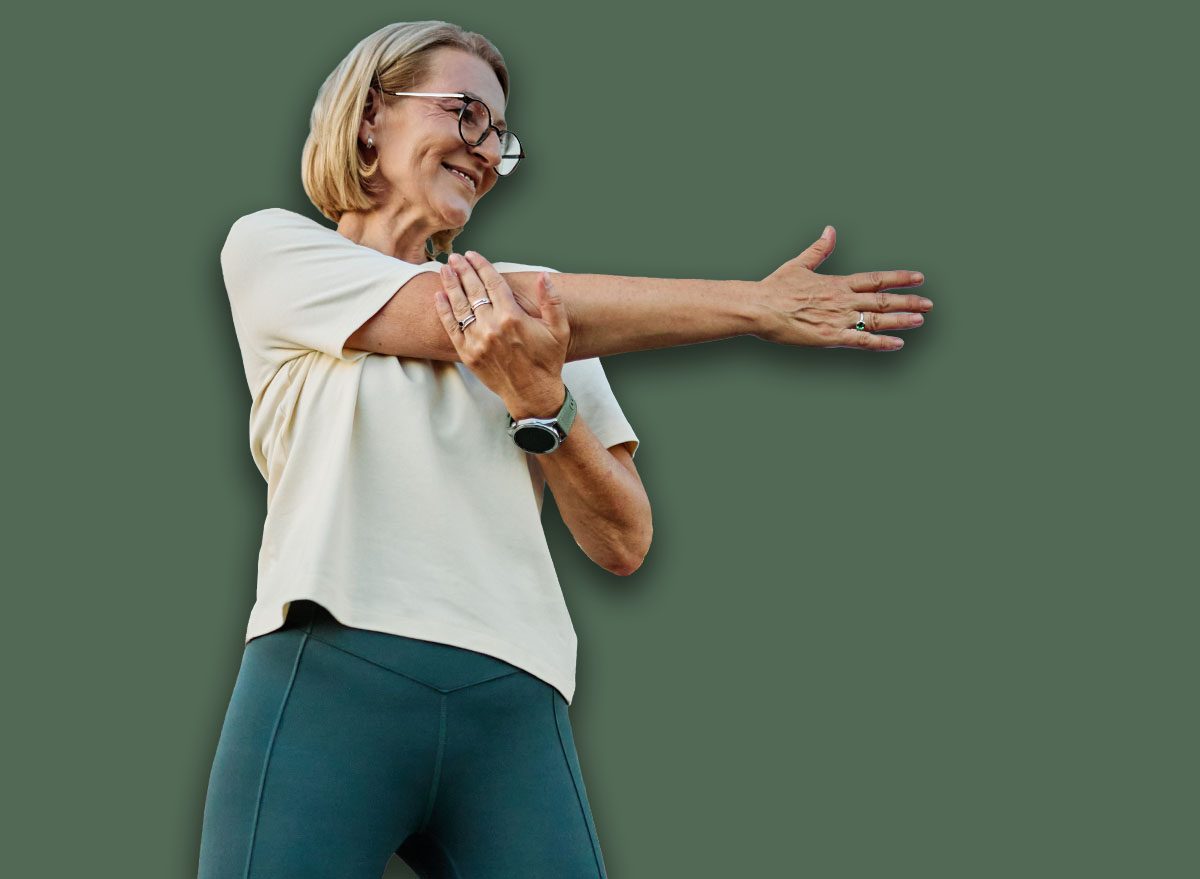

A packed gym class isn’t the only way to make a short workout feel productive. A clear wall can turn a few minutes at home into standing core work that also gets your legs and upper body involved. For belly overhang after 60, the useful routine is the one you can repeat and still make challenging enough to feel.
Wall exercises keep the setup simple. You stand up, place your hands on the wall, adjust your feet, and start moving. The wall gives you support, so you can focus on effort without feeling like balance is taking over the whole workout.
When I use wall work with clients, at home or in the gym, I’m usually trying to solve two problems at once: make the exercise approachable and keep the pace from feeling too easy. These six moves help your midsection stay active while the rest of your body does more work than a basic crunch routine.
Wall Mountain Climbers
Wall mountain climbers are a great place to start because they get the workout moving right away. Your hands stay on the wall, your knees drive forward, and your abs have to keep your body from sagging. Pick a pace you can hold for the full set. If the reps start getting choppy, slow down and make the knee drive cleaner.
Muscles Trained: Abs, hip flexors, shoulders, glutes.
How to Do It
- Stand facing a wall.
- Place both hands on the wall at chest height.
- Step your feet back until your body leans slightly forward.
- Brace your core.
- Drive one knee toward your chest.
- Switch legs and continue alternating.
Recommended Sets and Reps: Perform 2 to 3 sets of 30 to 45 seconds.
Best Variations: Slower wall mountain climbers, smaller knee drives, wall plank hold.
Form Tip: Keep your body in one strong line as your knees move.
Wall Push-Up
The wall push-up adds upper-body strength without sending you to the floor. Your chest and arms press, while your abs keep your ribs from flaring and your hips from drifting. It’s also easy to scale on the spot. Step closer for an easier set, or move your feet back when the reps feel too light.
Muscles Trained: Chest, shoulders, triceps, abs.
How to Do It
- Stand facing a wall.
- Place your hands on the wall slightly wider than shoulder-width.
- Step your feet back a comfortable distance.
- Bend your elbows and lower your chest toward the wall.
- Press through your hands to return to the start.
- Repeat with control.
Recommended Sets and Reps: Perform 2 to 3 sets of 8 to 15 reps.
Best Variations: Closer wall push-up, slower wall push-up, counter push-up.
Form Tip: Keep your ribs down so your lower back doesn’t arch.
Wall Sit March
Speaking from experience, this one usually feels tougher than people expect. The wall sit puts steady pressure through the thighs, then the march makes your core work to keep your hips level. A higher wall sit is plenty at first. The point is to make your legs work while your midsection stays quiet and controlled.
Muscles Trained: Quads, glutes, abs, hip flexors.
How to Do It
- Stand with your back against a wall.
- Walk your feet a short step forward.
- Slide down into a comfortable wall sit.
- Brace your core.
- Lift one foot a few inches off the floor.
- Lower it and switch sides.
Recommended Sets and Reps: Perform 2 to 3 sets of 20 to 30 seconds.
Best Variations: Higher wall sit march, wall sit hold, wall sit heel lift.
Form Tip: Keep the march small enough that your hips stay level.
Wall Plank Shoulder Tap
A shoulder tap turns a wall plank into more of a core challenge. Each time one hand leaves the wall, your body wants to shift. Your intent needs to be focused on keeping the hips steady and placing the hand back down without rushing. Slow reps work better here than fast taps that turn into a wobble.
Muscles Trained: Abs, shoulders, chest, upper back.
How to Do It
- Stand facing a wall.
- Place both hands on the wall at shoulder height.
- Step your feet back until your body forms a straight line.
- Brace your core.
- Lift one hand and tap the opposite shoulder.
- Place your hand back on the wall and switch sides.
Recommended Sets and Reps: Perform 2 to 3 sets of 8 to 12 taps per side.
Best Variations: Wall plank hold, slower shoulder taps, counter shoulder taps.
Form Tip: Keep your hips still as each hand lifts.
Wall-Supported Cross-Body Knee Drive
The cross-body knee drive gives the waist a more direct role. As the knee travels across, your abs and obliques help guide the movement while your standing leg keeps you grounded. Keep one hand on the wall and move with control. A smaller knee drive often feels better at first and still gets the job done.
Muscles Trained: Abs, obliques, hip flexors, glutes.
How to Do It
- Stand beside a wall with one hand resting lightly on it.
- Stand tall with your feet under your hips.
- Brace your core.
- Drive one knee across your body toward the opposite elbow.
- Lower your foot to the floor.
- Repeat on one side, then switch.
Recommended Sets and Reps: Perform 2 to 3 sets of 8 to 12 reps per side.
Best Variations: Smaller cross-body drive, standing knee lift, slower cross-body knee drive.
Form Tip: Turn through your midsection without yanking your knee across.
Wall Plank
Finish with the wall plank when you want the routine to end with control. Your abs hold tension, your glutes stay lightly engaged, and your shoulders help support the position. Step your feet closer to the wall if the hold feels too intense. Move them farther back when you’re ready for a stronger challenge.
Muscles Trained: Abs, deep core, shoulders, chest, glutes.
How to Do It
- Stand facing a wall.
- Place both hands on the wall at shoulder height.
- Step your feet back until your body forms a straight line.
- Brace your core and keep your body long.
- Hold the position while breathing steadily.
- Step forward to finish the set.
Recommended Sets and Reps: Perform 2 to 3 holds of 20 to 40 seconds.
Best Variations: Higher wall plank, counter plank, wall plank with shoulder taps.
Form Tip: Step farther from the wall when you’re ready for a stronger hold.
How to Make Wall Work Help Your Waistline
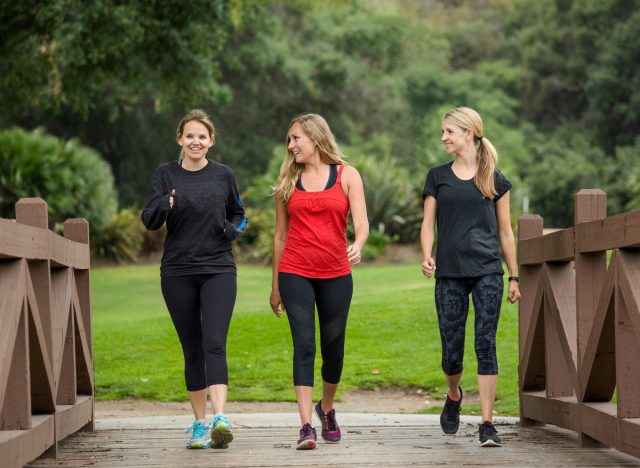
Wall exercises can help shrink belly overhang when they become part of a repeatable weekly plan. Use them three to five days per week, and keep the pace strong enough that you feel warm by the end. Pair the routine with walking, protein-focused meals, and sleep you can maintain. The workouts build strength and movement, while your daily habits help drive the body-composition changes. Keep the setup simple, and the routine becomes much easier to keep doing.
- Start with two rounds: Add a third round once the moves feel steady.
- Use the wall lightly: Let your muscles handle the work while the wall helps your balance.
- Keep rests short: Brief resets help the session stay active.
- Walk most days: Daily steps support fat loss and help your body recover.
- Build meals around protein: Protein helps preserve muscle while you work on your waistline.
- Stay consistent: A simple routine repeated often beats a harder workout you rarely finish.
References
- Beekman, Marian et al. “Lifestyle-Intervention-Induced Reduction of Abdominal Fat Is Reflected by a Decreased Circulating Glycerol Level and an Increased HDL Diameter.” Molecular nutrition & food research vol. 64,10 (2020): e1900818. doi:10.1002/mnfr.201900818
- Harris, M Brennan, and Chia-Hua Kuo. “Scientific Challenges on Theory of Fat Burning by Exercise.” Frontiers in physiology vol. 12 685166. 6 Jul. 2021, doi:10.3389/fphys.2021.685166