5 Standing Exercises That Trim Inner Thighs Better Than Gym Machines After 50
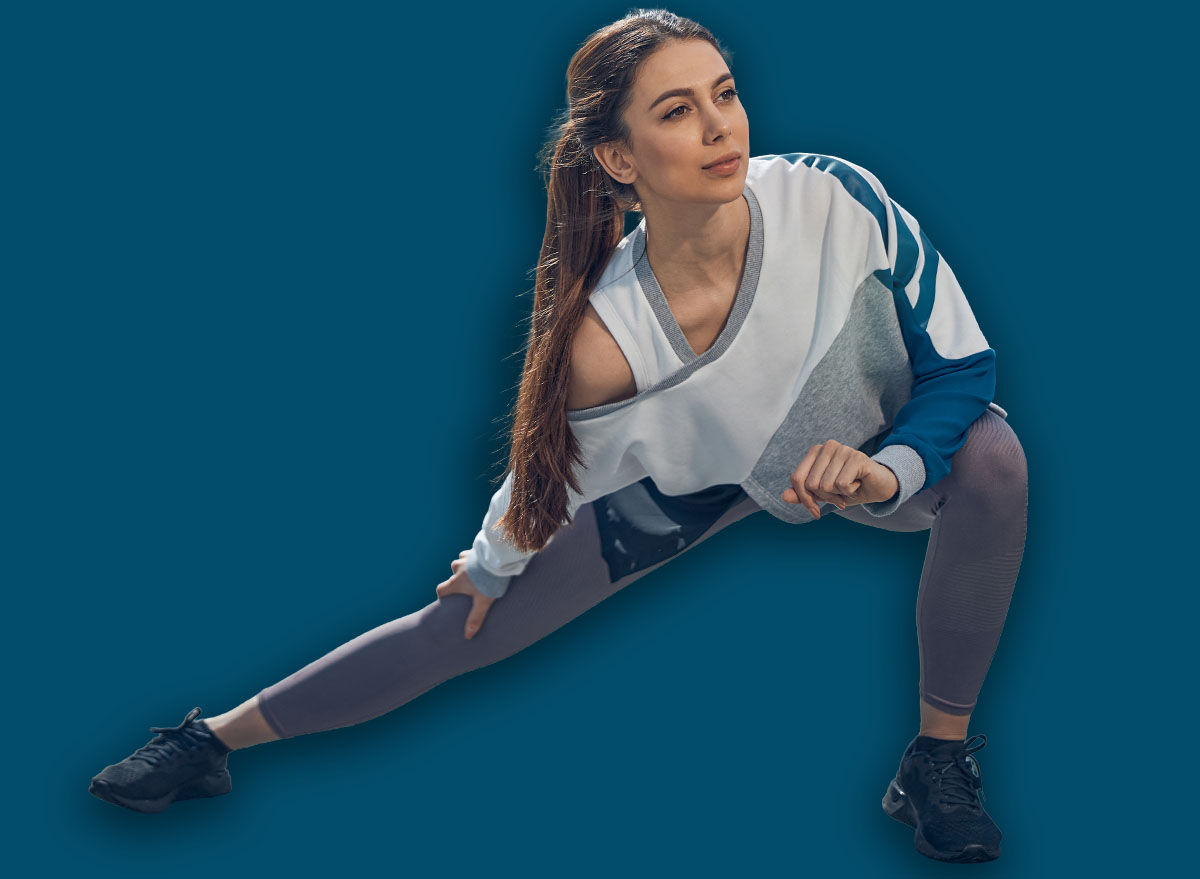
Strong inner thighs help you move with confidence. They support your hips, stabilize your knees, and give you the lower-body control you need for daily life. After 50, these muscles respond incredibly well to movements that force your legs to work through real ranges of motion instead of sitting on a machine and pushing against a pad.
Standing exercises wake up muscles that tend to go quiet during machine work. Your stabilizers fire, your balance sharpens, and your body learns to coordinate strength from the ground up. These movements also raise your heart rate and boost your calorie burn, creating a strong environment for fat loss and muscle tone.
You can perform every exercise in this routine at home or outdoors, without equipment. Each movement challenges the inner thighs while strengthening the glutes, quads, and hips. By the end, you will feel more stable, stronger through your lower body, and ready for a fresh sense of momentum.
Bodyweight Squats
Bodyweight squats build strong, balanced legs because they force your inner thighs to help control your hips and knees throughout the movement. Your adductors activate hard at the bottom of the squat to keep your legs aligned and stable. Your glutes and quads contribute to heavy lifting, which creates a high-calorie burn and a strong muscle-building stimulus. This combination tightens your lower body and builds thigh definition that machines rarely create.
Muscles Trained: Adductors, glutes, quads, hamstrings, core
How to Do It
- Stand with your feet shoulder-width apart and turn your toes slightly outward.
- Push your hips back and bend your knees while keeping your chest tall.
- Lower until your thighs approach parallel with the floor.
- Drive through your feet and squeeze your inner thighs as you stand tall.
- Keep your knees stacked over your toes on every rep.
Recommended Sets and Reps: Perform 3 sets of 12 to 15 reps. Rest for 60 to 75 seconds between each set.
Best Variations: Tempo squats, squat pulses, narrow-stance squats
Form Tip: Slightly push your knees outward as you stand to keep your inner thighs engaged.
Bodyweight Reverse Lunges
Reverse lunges challenge your inner thighs by forcing each leg to stabilize your hips during the step back. Your adductors work to keep your pelvis aligned as you lower into each rep. This movement places less pressure on your knees while still delivering a strong muscle-building stimulus for your quads and glutes. You also develop better balance and athletic control because each leg works independently.
Muscles Trained: Adductors, glutes, quads, hamstrings, core
How to Do It
- Stand tall with your feet hip-width apart.
- Step one foot back and lower your back knee toward the floor.
- Keep your front knee stacked over your toes.
- Push through your front heel and return to the starting position.
- Switch legs and repeat with smooth control.
Recommended Sets and Reps: Perform 3 sets of 10 to 12 reps per leg. Rest for 60 seconds between each set.
Best Variations: Reverse lunge pulses, deficit reverse lunges, slow-tempo reverse lunges
Form Tip: Keep your front foot planted and grip the floor to activate your inner thigh.
Bodyweight Lateral Lunges
Lateral lunges target the inner thighs directly because your adductors control every shift of your bodyweight from side to side. This movement strengthens your hips through a plane of motion that machines never demand. Your glutes fire hard during the push back to center, which reinforces hip power and stability. Over time, this exercise improves flexibility, mobility, and muscle tone throughout your inner thigh.
Muscles Trained: Adductors, glutes, quads, hamstrings, core
How to Do It
- Stand tall with your feet together.
- Step out to one side and sink your hips back as you bend that knee.
- Keep your opposite leg straight and your chest lifted.
- Push through your bent leg and return to the center.
- Switch sides and repeat for equal reps.
Recommended Sets and Reps: Perform 3 sets of 10 to 12 reps per side. Rest for 60 seconds between each set.
Best Variations: Alternating lateral lunges, lateral lunge pulses, wide-stance Cossack squats
Form Tip: Drive your hips back during the step to keep tension on your inner thighs.
Bodyweight Good Mornings
Bodyweight good mornings strengthen your inner thighs by forcing your adductors to stabilize your hips throughout a deep hinge. This movement also builds strong glutes and hamstrings, which support hip alignment and take stress off your knees. Your inner thighs remain active as you control the downward phase and maintain tension throughout your lower body. Over time, you improve mobility, coordination, and the muscle tone that creates firmer and more powerful legs.
Muscles Trained: Adductors, glutes, hamstrings, lower back, core
How to Do It
- Stand with your feet shoulder-width apart and keep a slight bend in your knees.
- Place your hands behind your head or across your chest.
- Push your hips back while keeping your chest lifted.
- Lower your torso until it reaches a strong hinge without rounding your back.
- Drive your hips forward and squeeze your inner thighs as you return to standing.
Recommended Sets and Reps: Perform 3 sets of 12 to 15 reps. Rest for 60 seconds between each set.
Best Variations: Wide-stance good mornings, tempo good mornings, single-leg assisted good mornings
Form Tip: Push your hips straight back to keep tension in your inner thighs and hamstrings.
Boydweight Walking Lunges
Walking lunges create a potent combination of strength, stability, and athletic movement. Your inner thighs stabilize your pelvis through each long step. Your glutes and quads produce strong forward momentum, and your core muscles lock your torso in place. This movement builds lower-body tone, raises your heart rate, and improves real-world mobility.
Muscles Trained: Adductors, quads, glutes, calves, core
How to Do It
- Stand tall with your feet hip-width apart.
- Step forward with one foot and lower your back knee toward the floor.
- Push through your front foot to bring your back leg forward into the next lunge.
- Continue alternating steps until you complete the full distance or rep count.
- Keep your chest tall and your front knee aligned with your toes.
Recommended Sets and Reps: Perform 3 sets of 12 to 15 steps per side. Rest for 60 seconds between each set.
Best Variations: Long-stride walking lunges, walking lunge pulses, slow-tempo walking lunges
Form Tip: Keep your steps long to activate your inner thighs.
The Best Tips for Toning Inner Thighs After 50
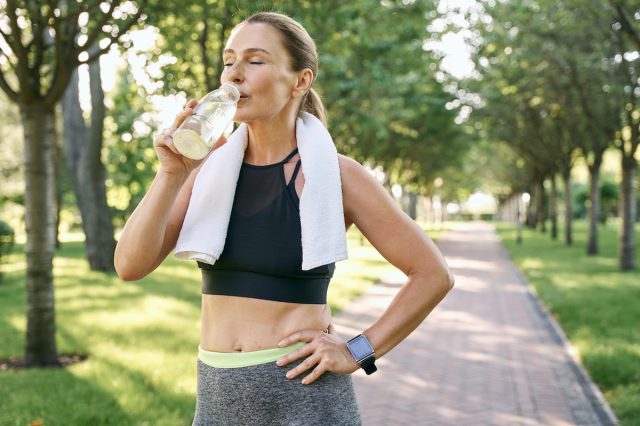
You can make faster progress with a few simple habits that support strength, recovery, and lower-body definition. Your muscles respond well to consistent work, proper nutrition, and smart movement. Small changes each day create noticeable improvements in how your legs feel and look. Keep the process sustainable and enjoyable so you stay committed to your goals.
- Train your inner thighs at least two to three times per week for steady progress.
- Stay active throughout the day with walking, stair climbing, or short movement breaks.
- Eat lean protein at each meal to support muscle repair and definition.
- Regularly stretch your hips and adductors to improve movement quality.
- Prioritize hydration to keep your muscles energized during every workout.