If You Can Do This Many Squats in 60 Seconds After 55, Your Leg Strength Is Elite
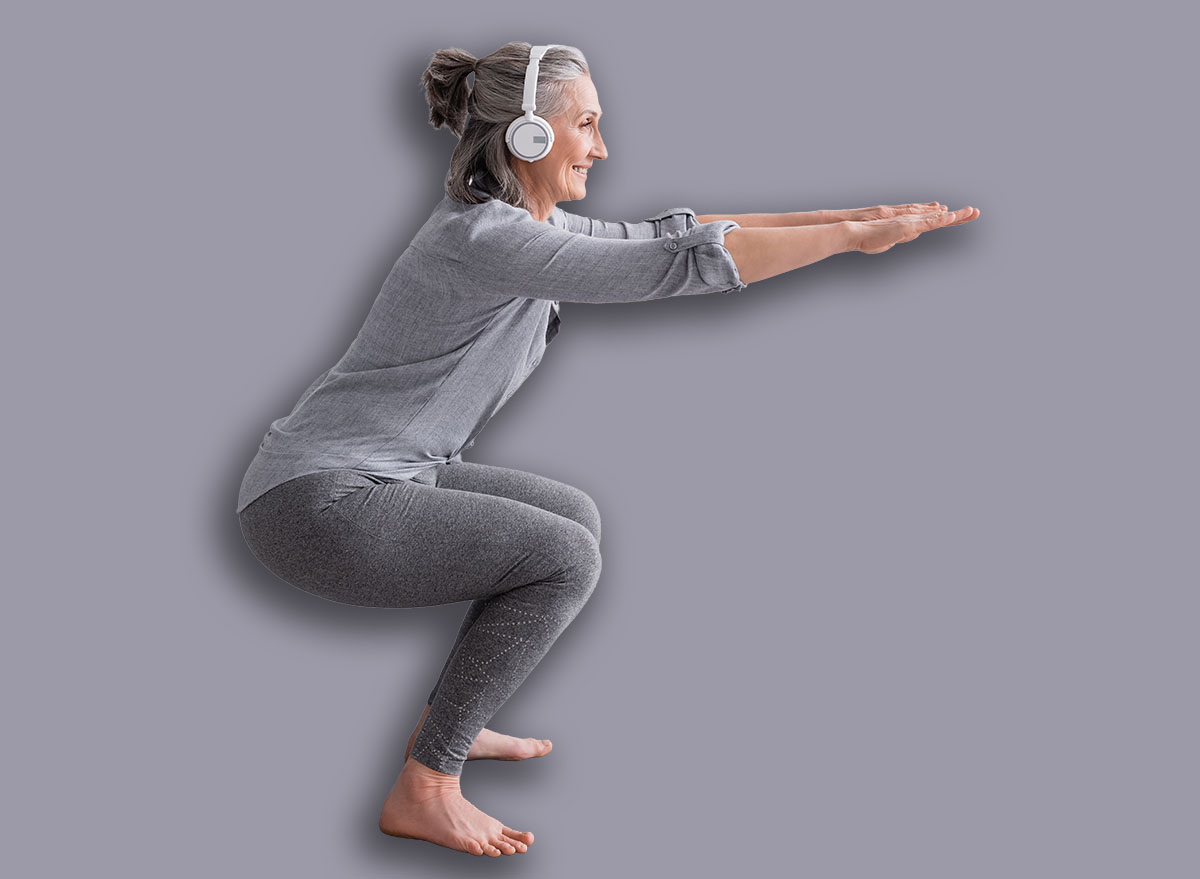

Lower body strength sits at the center of how well your body functions after 55. Your legs support every step, every transition from sitting to standing, and every moment that requires balance or stability. When they’re strong, movement feels natural and controlled. When they’re not, even simple tasks start to feel taxing. That’s why leg strength remains one of the clearest indicators of long-term mobility.
Muscle strength and endurance also play a major role in health and longevity. Strong legs help regulate blood sugar, support joint health, and improve cardiovascular efficiency during daily movement. Endurance matters just as much as strength, especially as fatigue becomes a bigger factor with age. Your ability to repeat quality movement under mild stress often determines how well you hold up throughout the day.
Think of this squat test as a quick fitness check-up for your lower body. It doesn’t require equipment, a gym, or a long warmup. In just 60 seconds, it reveals how well your legs generate force, manage fatigue, and support the movements you rely on every single day.
The Incredible Benefits of a Strong Lower Body
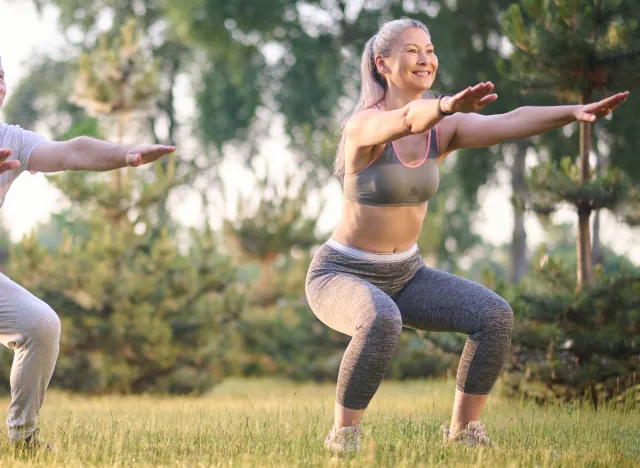
A strong lower body does far more than power workouts. It supports posture, protects your joints, and keeps your movement efficient as the years add up. Your hips, glutes, quads, and hamstrings work together to absorb force when you walk, climb stairs, or change direction.
Lower body strength also plays a major role in balance and fall prevention. Strong legs react faster, stabilize better, and help you recover when something throws you off. That responsiveness becomes increasingly valuable with age, especially during outdoor activities, travel, or uneven surfaces.
Beyond movement, strong legs support independence. They allow you to get up from low chairs, carry groceries with confidence, and move through your day without hesitation. When your lower body is strong, your whole body benefits.
How to Perform a Flawless Squat
The squat looks simple, but quality matters more than most people realize. Clean technique ensures your joints stay protected while your muscles do the work they’re meant to do. It also ensures your test results reflect true lower-body strength rather than momentum or rushed movement.
Before you start counting reps, focus on control, alignment, and consistency. Each squat should look like the last one, even as fatigue builds.
- Stand tall with your feet about shoulder-width apart
- Brace your core gently and keep your chest tall
- Sit your hips straight down as your knees bend
- Lower until your thighs reach about parallel or as low as you can control
- Drive through your heels to stand fully upright
- Count only reps that reach depth and finish tall
Stay smooth and controlled from start to finish. A steady pace always tells a more accurate story.
How to Perform the 60-Second Squat Test
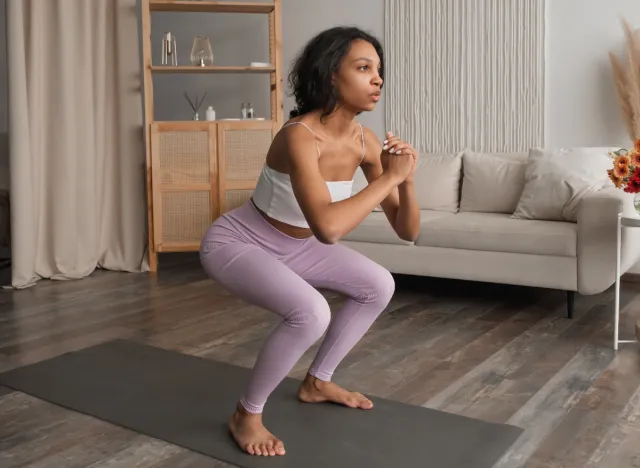
This test works best when you treat it like a true assessment of strength and endurance, not a sprint. Quality reps matter more than speed, especially after 55.
- Set your timer for 60 seconds: Give yourself enough space to squat safely and move freely.
- Warm up briefly: Spend a few minutes loosening your hips, knees, and ankles with light movement or easy squats.
- Use a controlled bodyweight squat: Stand with your feet about shoulder-width apart and keep your chest tall.
- Aim for quality depth: A strong squat reaches about 90 degrees at the knees. If mobility limits you right now, work within a comfortable range and stay consistent with your depth on every rep.
- Stand fully between reps: Each squat should finish tall with your hips and knees extended.
- Maintain a steady pace: Avoid rushing early. Smooth, repeatable reps help you last the full minute.
- Count only clean reps: If a squat feels rushed or shallow, don’t count it.
- Stay focused as fatigue builds: Breathing and posture matter most in the final seconds.
When the timer ends, record your total. That number offers a clear snapshot of how well your lower body handles repeated effort.
Ranking of Squat Scores After 55
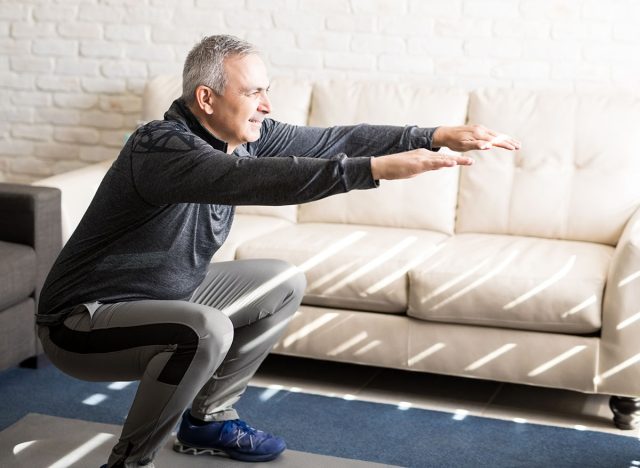
This test measures more than how strong your legs feel on the first few reps. It reflects how well your lower body performs as fatigue sets in, how efficiently you pace yourself, and how consistently you maintain control. Those qualities matter just as much as raw strength after 55.
Use these ranges as practical benchmarks rather than absolute judgments.
- Under 20 squats: Your lower body strength endurance needs improvement. Fatigue likely shows up early during daily activities.
- 20 to 29 squats: You’ve built a functional base. Your legs handle routine demands, though longer or more active days may feel taxing.
- 30 to 39 squats: This range reflects strong, capable legs. You likely move with confidence and maintain control even as fatigue increases.
- 40 or more squats: This score signals elite leg strength for your age. Your lower body shows impressive endurance, coordination, and resilience.
Clean reps always matter more than chasing a higher number.
The Best Tips for Increasing Lower Body Strength
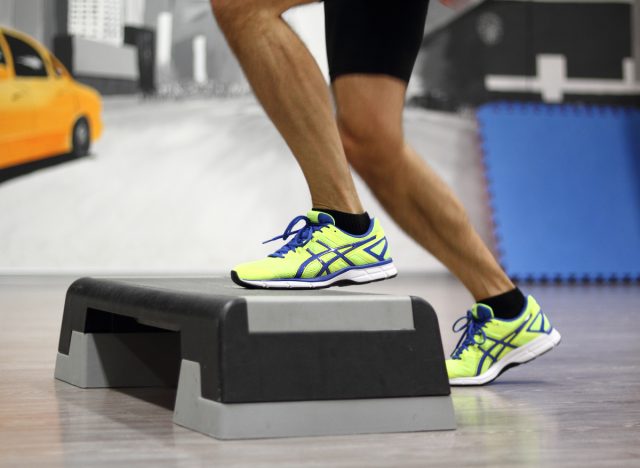
Building stronger legs after 55 doesn’t require extreme workouts or complicated programming. Progress comes from consistent exposure to basic movement patterns, paired with enough recovery to let your joints and muscles adapt.
The goal is to build strength that holds up under repeated effort, not just strength that looks good on paper.
- Train your lower body two to three times per week: Squats, step-ups, and lunges provide enough stimulus without excessive joint stress.
- Control every rep: Slowing down the lowering phase improves strength, stability, and joint awareness.
- Include single-leg work: Split squats and step-ups improve balance, symmetry, and knee control.
- Build endurance gradually: Moderate reps with shorter rest help your legs tolerate sustained effort.
- Prioritize recovery: Reduce volume if soreness lingers instead of pushing through discomfort.
References
- Steves, Claire J et al. “Kicking Back Cognitive Ageing: Leg Power Predicts Cognitive Ageing after Ten Years in Older Female Twins.” Gerontology vol. 62,2 (2016): 138-49. doi:10.1159/000441029
- Castillo-Rodríguez, A., Onetti-Onetti, W., Sousa Mendes, R., & Luis Chinchilla-Minguet, J. (2020). Relationship between Leg Strength and Balance and Lean Body Mass. Benefits for Active Aging. Sustainability, 12(6), 2380. https://doi.org/10.3390/su12062380