This 8-Minute Daily Standing Routine Builds More Strength Than Lifting Weights After 50
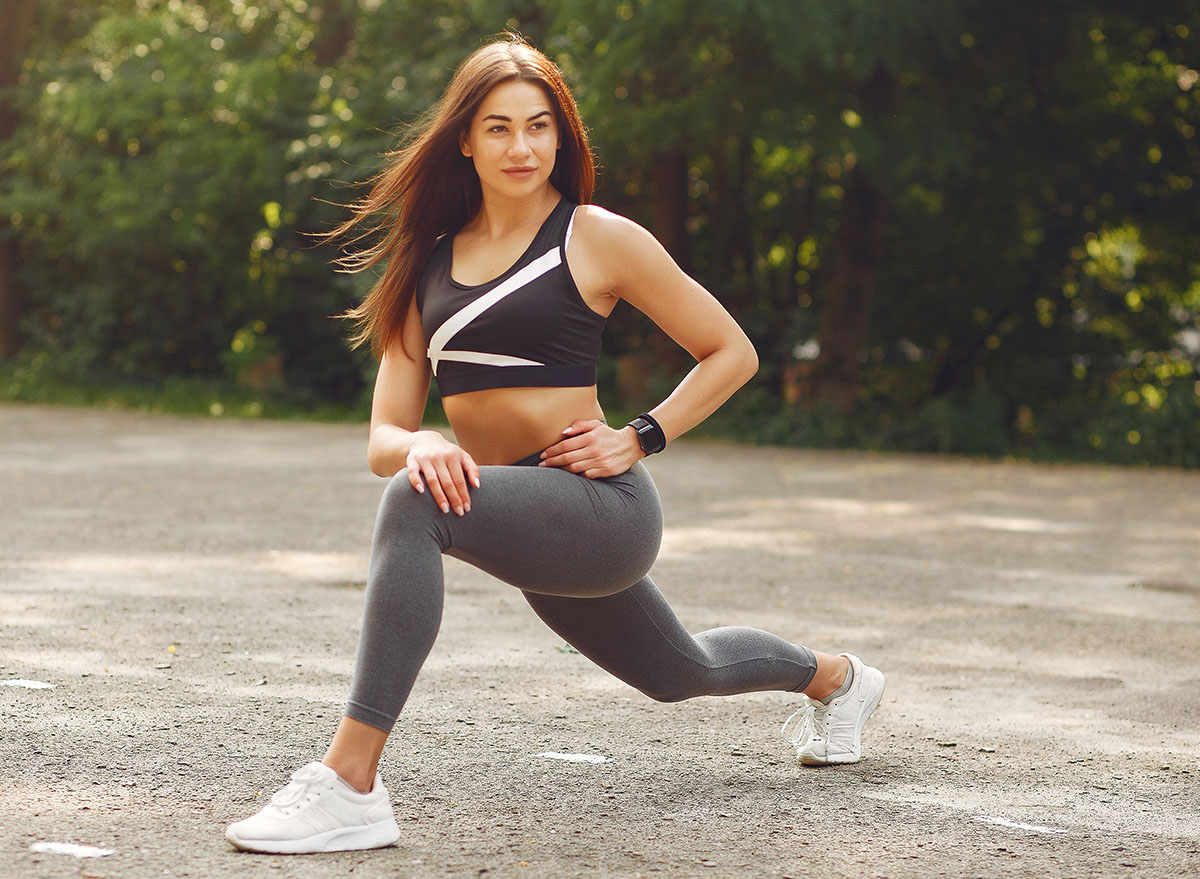

If you’ve ever promised yourself you’d start lifting weights again, then looked at the clock and realized you only had 10 minutes left, you’re not alone. Strength training after 50 doesn’t have to mean long gym sessions or heavy equipment. A few minutes of focused movement each day can make a real difference in how strong and capable you feel.
Short on time? Doing something is always better than doing nothing. Bodyweight and resistance band movements train your entire body without the need for fancy gear or big blocks of time. When you move with purpose and keep rest short, you create real strength that carries into every part of your life.
This eight-minute standing routine hits your muscles from head to toe, improves balance, and builds the type of strength you can actually use. Each move keeps your core engaged and challenges your stability, making this short workout surprisingly effective. Grab a resistance band, a pair of light dumbbells, or whatever you have around, and let’s get moving.
The 8-Minute Standing Strength Routine
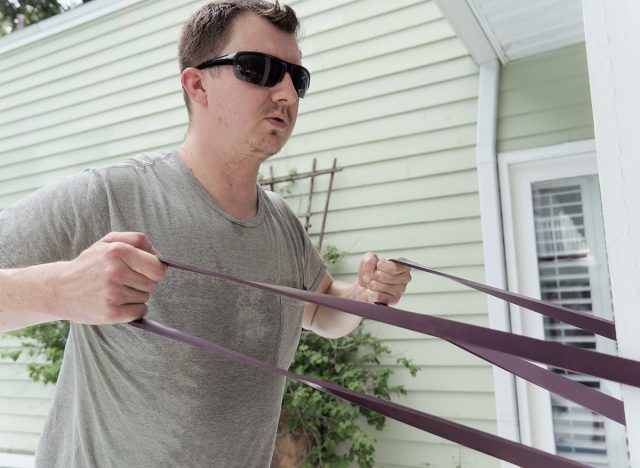
What you need: a light-to-moderate resistance band and a pair of dumbbells or household items, such as filled water bottles. You’ll need about 8 minutes and a small open area.
The Routine:
- Air Squats (3 sets of 15 reps)
- Standing Band Rows (3 sets of 12–15 reps)
- Walking Lunges (3 sets of 20 total steps)
- Suitcase Carry (3 sets of 30 seconds per side)
Directions
Complete each exercise in a circuit fashion. Perform all four exercises back-to-back, resting only 30–45 seconds between rounds. Complete 3 total rounds for an 8-minute session that hits your lower body, upper body, and core. Focus on quality movement and maintaining an upright posture throughout. Read on for the detailed instructions.
Air Squats
Air squats strengthen your legs, hips, and glutes while improving mobility and balance. They’re one of the most effective movements for maintaining lower-body strength and joint health after 50. The simple act of standing up and sitting down under control builds real-world strength that translates directly to your daily life.
How to do it:
- Stand with your feet shoulder-width apart and your toes slightly turned out.
- Brace your core and keep your chest tall.
- Push your hips back as you bend your knees to lower into a squat.
- Go as low as your mobility allows while keeping your heels flat.
- Drive through your heels to return to a standing position.
Best Variations:
- Goblet Squat (add a dumbbell for extra resistance)
- Tempo Squat (slow 3-second descent)
Standing Band Rows
This move strengthens your upper back, shoulders, and arms while improving posture and core engagement. Standing rows help alleviate the rounded shoulders that often result from years of desk work or prolonged phone use. The band’s resistance increases as you pull, providing your muscles with constant tension and improved activation.
How to do it:
- Anchor a resistance band around chest height (door anchor or pole).
- Grab the handles with palms facing each other and step back to create light tension.
- Stand tall with a soft bend in your knees and a braced core.
- Pull the handles toward your ribcage, squeezing your shoulder blades together.
- Slowly extend your arms back to the starting position under control.
Best Variations:
- Single-Arm Band Row
- Band High Row
Walking Lunges
Walking lunges are a powerhouse for lower-body strength, balance, and coordination. They train each leg independently to prevent strength imbalances and build the kind of stability required for activities such as hiking, climbing stairs, or carrying groceries. Lunges also spike your heart rate for an added conditioning benefit.
How to do it:
- Stand tall with your feet together and hands at your sides or on your hips.
- Step forward with your right foot and lower into a lunge, keeping both knees at a 90-degree angle.
- Push through your front heel to stand and bring your back foot forward into the next step.
- Continue alternating legs for the desired reps or time.
- Keep your chest upright and core tight throughout the movement.
Best Variations:
- Reverse Lunges (less knee strain)
- Lateral Lunges (improve hip mobility)
Suitcase Carry
This movement appears simple, but it challenges your grip, core, and overall body stability. Holding a weight on one side forces your obliques to resist leaning or twisting, strengthening your entire midsection. The suitcase carry also mimics real-life tasks, such as carrying groceries or luggage, making it one of the most functional strength moves around.
How to do it:
- Hold a dumbbell, kettlebell, or heavy household object in one hand.
- Stand tall with shoulders level and core tight.
- Walk forward 30 seconds, keeping your torso upright and steps smooth.
- Switch hands and repeat for the other side.
Best Variations:
- Farmer Carry (weights in both hands)
- Offset Carry (one heavy, one light object)
The Top Tips for Building Strength After 50

Building strength after 50 comes down to consistency, not complexity. Use these strategies to get the most out of short daily sessions:
- Focus on control, not speed. Moving slower through each repetition keeps your muscles under tension for a longer period and builds more strength.
- Add resistance gradually. Bands and light weights are great starting points. Increase tension or load only when you can complete all reps with perfect form.
- Prioritize recovery. A strong body needs rest. Hydrate, stretch, and walk daily to keep joints and muscles feeling their best.
- Stay consistent. Eight minutes a day adds up fast. You’ll notice better posture, more energy, and greater confidence within weeks.