4 Daily Exercises That Improve Balance Faster Than Standing on One Leg After 60
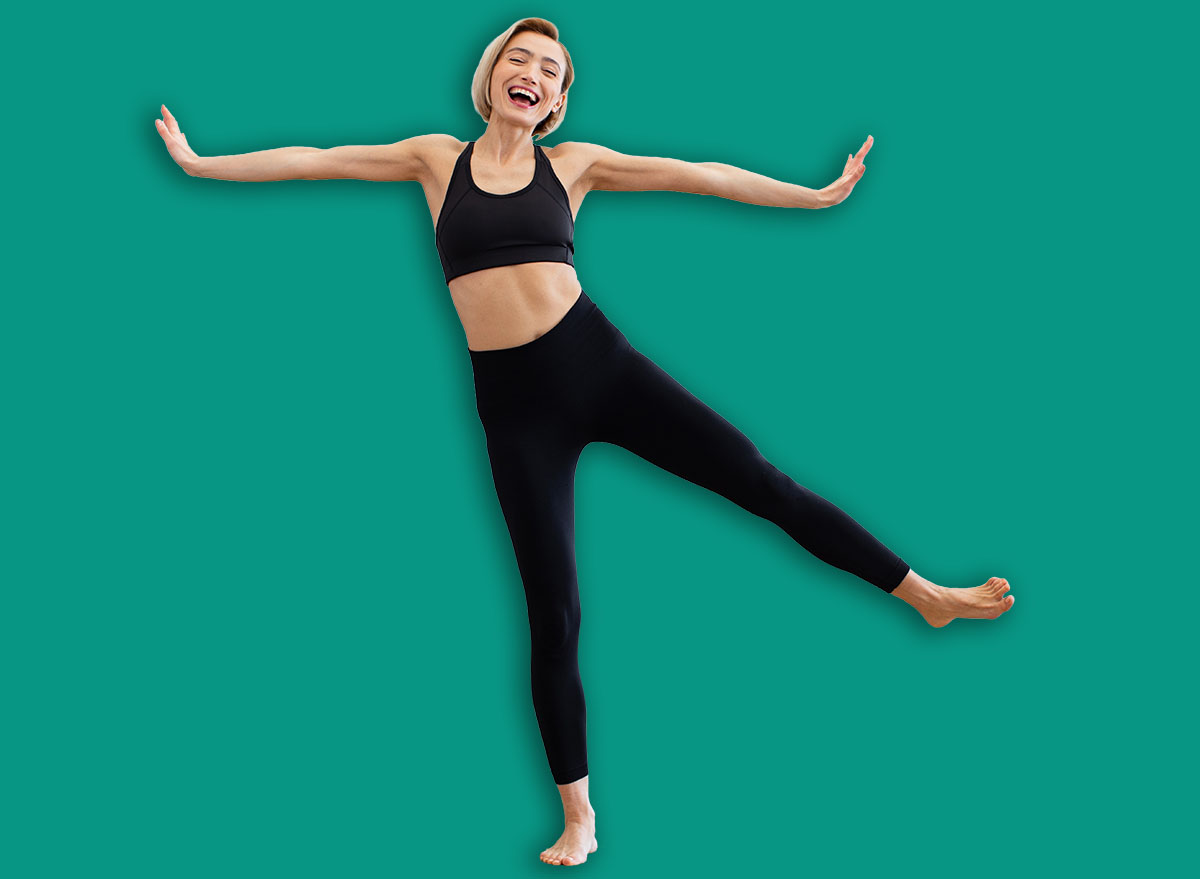

Balance affects nearly every movement you make after 60, from getting out of bed in the morning to walking across a crowded parking lot or climbing a flight of stairs. While many people believe balance begins and ends with standing on one leg, I’ve found that’s only one piece of the puzzle. As a trainer, I’ve watched clients make much faster progress by strengthening the muscles and movement patterns that support balance instead of practicing static holds alone. The result isn’t just fewer wobbles. It’s greater confidence with every step.
One of the biggest misconceptions about balance training involves treating it like a single skill. In reality, good balance depends on leg strength, core stability, ankle mobility, coordination, and your nervous system working together. If one area falls behind, the entire system suffers. That’s why I encourage clients to train balance dynamically rather than relying on one stationary exercise every day.
I’ve spent years helping adults over 60 move with greater confidence, and the biggest improvements almost always come from simple exercises that challenge multiple systems at once. These four movements strengthen the muscles responsible for keeping you upright while teaching your body to react more efficiently to changes in position. Practice them consistently, and you’ll build the kind of balance that carries over into every part of daily life.
Heel-to-Toe Walk
When I want to improve someone’s balance during walking, heel-to-toe walking quickly becomes one of my favorite drills. Every step narrows your base of support, forcing the ankles, hips, and core to work together to maintain control. Unlike standing on one leg, this movement closely resembles real-life walking while teaching your body to stay stable as it moves forward. Clients often notice improvements in coordination and confidence after only a couple of weeks because the exercise strengthens the muscles responsible for controlling every step. It also exposes side-to-side weaknesses that might otherwise go unnoticed.
How to Do It
- Stand tall in an open area.
- Place one foot directly in front of the other.
- Touch your heel to the opposite toes.
- Walk slowly in a straight line.
- Keep your eyes focused forward.
- Continue for 20 to 30 steps.
Sit-to-Stand
Strong legs form the foundation of good balance, which is why I rarely build a balance program without including sit-to-stands. Every repetition strengthens the quadriceps, glutes, hamstrings, and core while reinforcing one of the most common movements you’ll perform each day. Clients who struggle with balance often discover they also lack lower-body strength, making this exercise doubly important. As those muscles become stronger, maintaining stability during walking and changing directions becomes noticeably easier. Functional strength and balance almost always improve together.
How to Do It
- Sit near the front edge of a sturdy chair.
- Place your feet shoulder-width apart.
- Lean forward slightly.
- Press through your heels to stand.
- Lower yourself with control.
- Perform 10 to 15 repetitions.
Lateral Weight Shifts
Many falls occur because people lose control while shifting their weight from one leg to the other. That’s exactly why I include lateral weight shifts in so many programs for older adults. The movement teaches your hips, knees, ankles, and core to work together while your center of gravity changes from side to side. Clients often tell me they feel much steadier stepping around obstacles or getting in and out of the car after practicing this drill consistently. It’s simple, gentle, and incredibly effective for improving real-world balance.
How to Do It
- Stand with your feet slightly wider than shoulder-width apart.
- Keep your knees soft.
- Shift your weight onto one leg.
- Pause briefly.
- Shift slowly to the opposite side.
- Complete 12 to 15 repetitions.
Standing March with Pause
I like finishing balance routines with an exercise that combines strength, coordination, and stability into one movement. Standing marches with a brief pause challenge the supporting leg every time the opposite knee lifts, forcing the hips and core to stabilize continuously. Unlike simply standing on one leg, you’re repeatedly moving in and out of balance, which better prepares your body for everyday walking. Many clients notice smoother strides and greater confidence on uneven ground after making this exercise part of their daily routine. It’s an excellent reminder that balance improves fastest when movement becomes part of the challenge.
How to Do It
- Stand tall with your feet hip-width apart.
- Lift one knee toward hip height.
- Pause for two to three seconds.
- Lower slowly.
- Alternate sides.
- Perform 10 to 12 repetitions per leg.