5 Morning Exercises That Rebuild Bone Strength Faster Than Supplements After 60
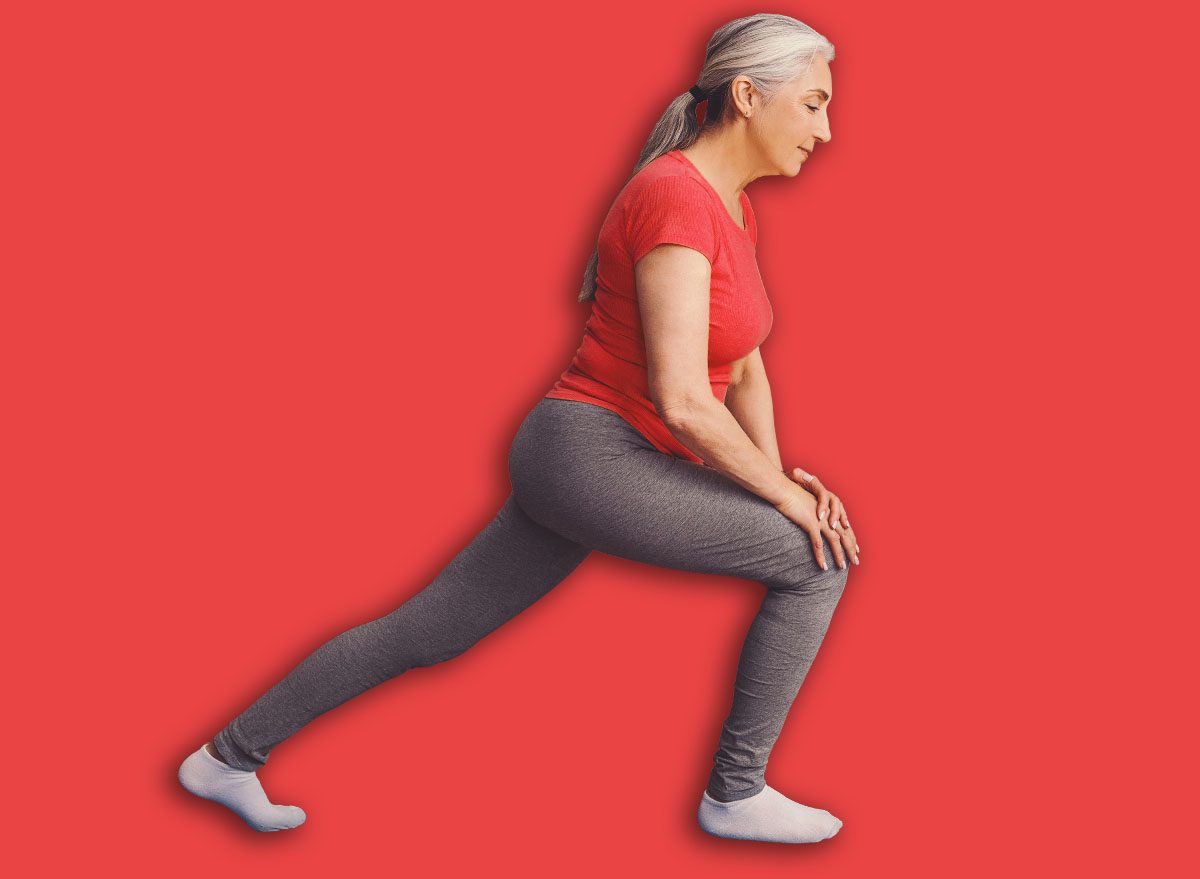

Bones weaken when they stop being asked to do anything demanding. Most bone density loss after 60 has more to do with disuse than with age. I’ve spent close to 40 years as a personal trainer, and for over 25 years I’ve been co-founder of TRAINFITNESS, the UK’s leading provider of personal training courses. Five short morning exercises, done consistently, load your bones in the ways they need to rebuild themselves, and they do it more effectively than any supplement bottle ever could.
Why Your Bones Weaken After 60
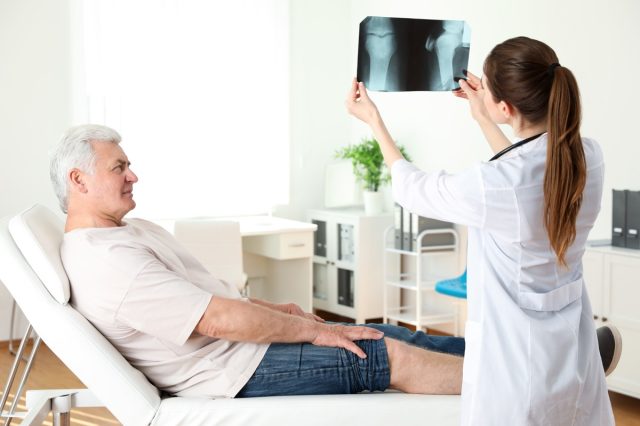
The pattern I see is a gradual thinning that most people don’t know about until a DEXA scan, or worse, a break. By 60, women have often lost 20 percent of their peak bone mass, and men aren’t far behind. The bones look the same on the outside. The structure inside has become more porous, so a fall that would have been a bruise at 40 becomes a fracture at 65.
The main driver is lack of load. Bones are living tissue and they respond to being asked to work. Modern life doesn’t ask them to do much. We sit, we walk on soft surfaces, and we carry very little. Without that daily challenge, your body strips your bones back to a maintenance level, which is much lower than what they used to be.
Hormonal shifts add to the picture. Estrogen after menopause, and testosterone in men, both play a role in bone density. When they drop, your body loses one of its main signals to keep bones dense.
Underneath it all is calcium and vitamin D status, which is often on the low side in this age group, especially through the winter. Supplements can help, but they’re a small piece of the puzzle. Without loading, your body has no reason to lay the calcium down into bone in the first place.
Why Mornings Beat Supplements

Supplements provide the building blocks. They don’t tell your body to build. Calcium in a bottle, without loading, is like delivering bricks to a house that isn’t being built. The materials sit there. Nothing happens.
Loading tells your body that your bones need to be stronger than they are now. When you land on a heel or push through a squat, the mechanical stress on the bone triggers cells called osteoblasts to lay down new bone in the loaded areas. This process is called Wolff’s law, and it’s been well established since the 1890s.
Morning specifically works well for two reasons. The first is habit. Something done first thing has a higher chance of being done tomorrow. The second is that the impact and load in the morning primes your body for a more active day, which stacks up more loading opportunities. A morning routine leads to a moving day.
Heel Drops
Sends a controlled impact wave up through the spine, hips and heels, which are the three areas most vulnerable to fracture in this age group. Research has shown that even 20 heel drops a day produce measurable bone density improvements in the hip.
How to Do It:
- Stand tall next to a worktop or wall for balance
- Rise up onto the balls of your feet as high as you can
- Let yourself drop, landing firmly onto your heels
- Feel the impact travel all the way up through your spine
Avoid These Mistakes:
- Don’t cushion the landing with your calves. The drop should be a small, firm impact, not a soft lowering. If you can’t feel a slight jolt at the heel, you’re not loading the bone.
Sets and Reps: 10 to 20 drops.
Bodyweight Squat
Loads the hips, femurs and spine with your own bodyweight through the range where fractures most commonly happen. Squats are one of the most efficient bone-loading exercises there is because they work the whole lower body at once.
How to Do It:
- Stand with your feet hip-width apart, toes pointing slightly outward
- Push your hips back and bend your knees
- Lower until your thighs are roughly parallel to the floor, or as deep as feels comfortable
- Push back up through your heels
Avoid These Mistakes:
- Don’t rush the descent and use momentum to bounce back up. The value is in the slow load.
Sets and Reps: 12 to 15 reps
Form Tip: Take 2 seconds to lower and 1 second to stand, and your bones get much more of a training stimulus.
Reverse Lunge
Loads one leg at a time, which doubles the load per leg compared to two-legged exercises. This is where the biggest bone-density gains happen, because the hip and femur are being asked to hold your body up on one side.
How to Do It:
- Stand tall with your feet hip-width apart
- Step one foot back roughly two foot lengths
- Lower your back knee toward the floor until your front thigh is parallel to the floor
- Push through your front heel to return to standing
- Alternate legs
Avoid These Mistakes:
- Don’t step back too short. It forces your front knee out over your toes and takes the load off the hip.
Sets and Reps: 8 reps per side
Form Tip: Take a longer step to keep your shin more vertical. That puts the load exactly where you want it.
Wall Press Up
Loads the wrists, forearms and shoulders, which are the second most common fracture site after the hip. Wrist fractures from falls are what change many older adults’ lives, and those bones strengthen with the same kind of loading as the legs.
How to Do It:
- Stand facing a wall, two to three feet away, palms on the wall at shoulder height, shoulder-width apart
- Keep your body straight from heels to head
- Bend your elbows and lower your chest toward the wall over 2 seconds
- Push back to the start position over 1 second
Avoid These Mistakes:
- Don’t stand too close to the wall. It reduces the load on your wrists.
Sets and Reps: 12 to 15 reps
Form Tip: Walk your feet back until you feel your wrists working. Once that’s comfortable, progress to a lower surface like a kitchen counter.
Standing Stomping March
Adds impact loading through the whole leg while doing something that feels like ordinary marching. This is the highest-impact exercise in the routine for people who can’t yet manage hopping or jumping, and it still produces a strong bone stimulus.
How to Do It:
- Stand tall with your feet hip-width apart
- Lift one knee to hip height, then stomp your foot down firmly on the floor
- Immediately lift the other knee and stomp
- Keep your trunk tall throughout
Avoid These Mistakes:
- Don’t focus on lifting the foot. The value is in the stomp down, not the lift up.
Sets and Reps: Continue for 60 seconds
Form Tip: Land through the whole foot, heel and forefoot together, so the impact goes up through the leg cleanly.
How Often to Do This
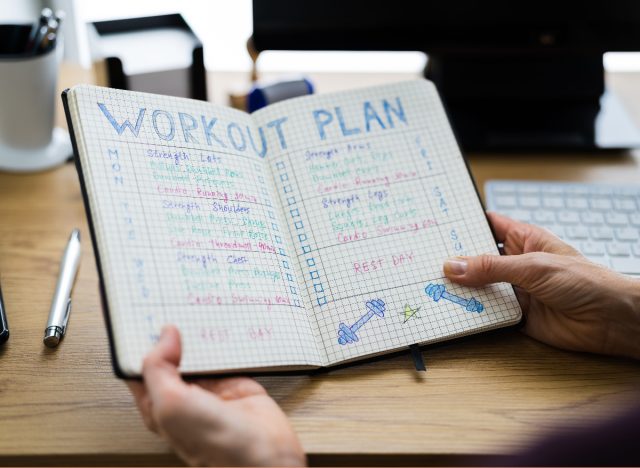
Do the five exercises in the order above. The whole sequence takes 8 to 10 minutes, once a day, ideally in the morning.
Five or six days a week is what I recommend. Your bones respond to frequency, but they also need some recovery time to lay down new tissue. A day off once or twice a week is part of the programme, not a deviation from it.
After the first month, add a second round of each exercise. Or increase the heel drops to 30 reps and the stomping march to 90 seconds. Bones respond to progressive loading. Doing the same thing forever produces the same result forever.
The other thing I’d add is a walk of at least 20 minutes on most days. Walking isn’t a strong bone stimulus on its own, but it stacks up loading time, and it triggers other pathways that support bone health.
What to Expect

Bones change more slowly than muscle, so the results here don’t show up in weeks. What you’ll notice within the first month is that you feel steadier on your feet, less prone to little wobbles. That’s the muscle and balance changes, which come first.
By 3 to 6 months, the bone itself has started to change. This won’t show in a mirror, but if you get a DEXA scan at 6 months and again at 12 months, you’ll likely see a measurable improvement in bone density if you’ve stuck with the routine, especially at the hip and spine.
By 12 months of consistent work, the change can be dramatic. Bone density improvements of 2 to 5 percent are realistic and well documented in the research on loading protocols like this. That doesn’t sound huge, but at this age it can mean the difference between a bruise and a fracture in an unlucky fall.
Bone density is one of the strongest predictors of independent living into your 70s and 80s. Ten minutes of morning loading is a small daily transaction for the years of confident walking that follow.