If You Can Hold a Bridge This Long After 60, Your Glute Strength Is Top-Tier
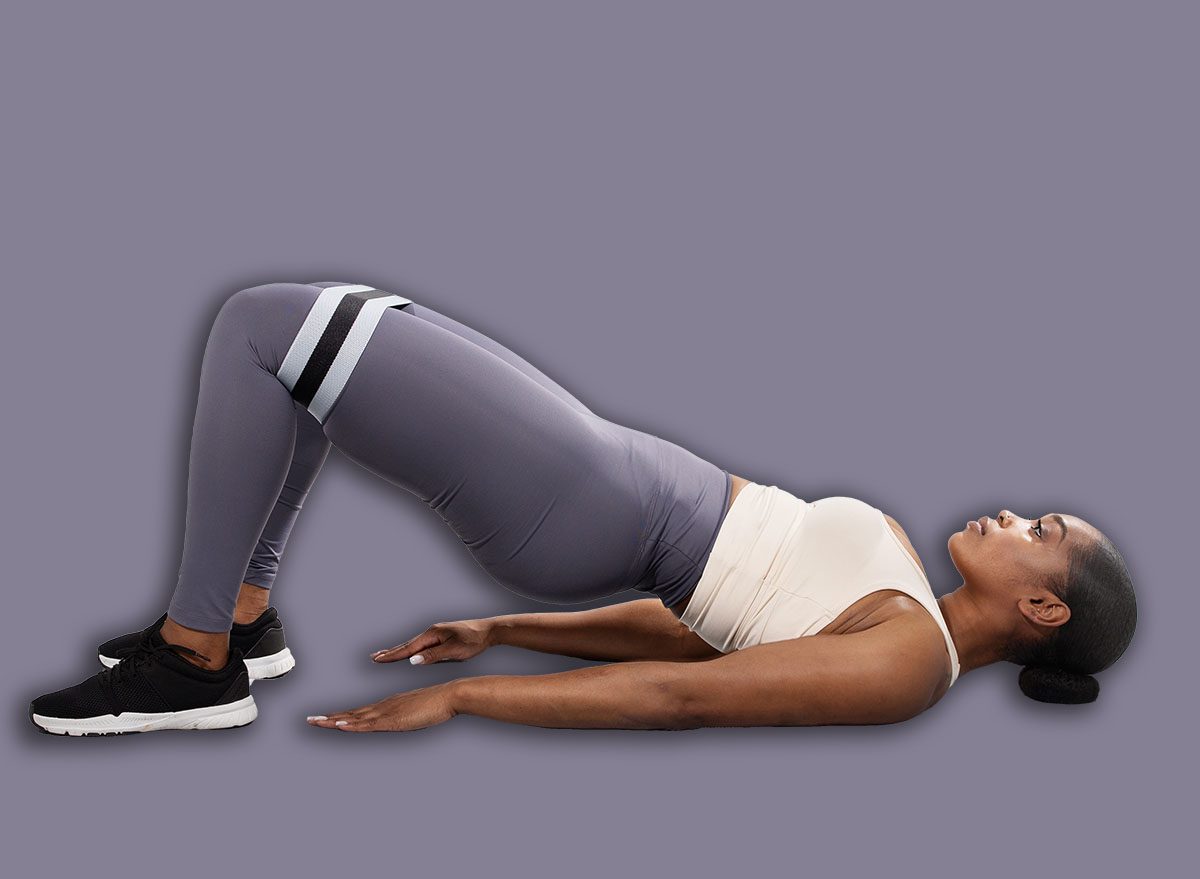
The glute bridge earns a place in almost every training program because it teaches a movement your body uses all day: driving through the hips. You feel that action when you stand up from a chair, climb stairs, walk uphill, or push off the ground during a brisk walk. The bridge puts that work front and center, with your glutes leading the movement and your core helping keep your pelvis steady.
After 60, strong glutes can make a noticeable difference in how you move. They help control the hips, support the lower back, and give your legs more power when you stand, climb, or change direction. Your glutes also help keep the pelvis level while you walk, which supports smoother steps and stronger balance.
I use bridge holds often in warm-ups with clients because they show how well someone can create tension through the hips. A few seconds into the hold, you can usually tell where the work is going. When the glutes stay engaged and the hips stay level, the body is in a good position to move into squats, step-ups, deadlifts, or longer walks.
The bridge hold also provides an easy way to assess muscular endurance. You lift into position, stay there, and see how long your glutes can keep working with solid form. Below, you’ll learn why this test works, how to perform it, what your hold time means, and how to build stronger glutes over time.
Why the Bridge Hold Is a Strong Glute Test After 60
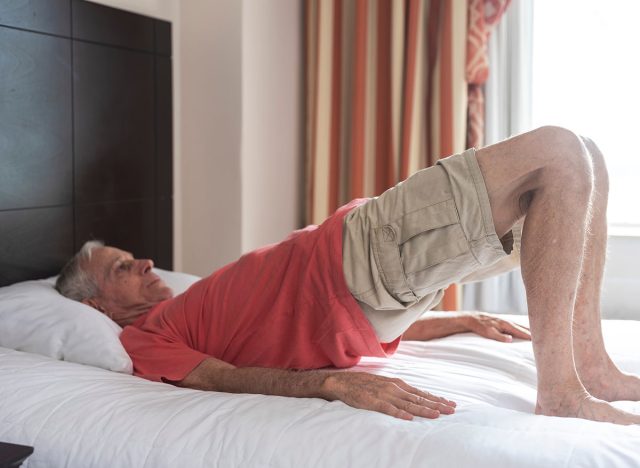
The bridge hold puts your glutes under steady tension while your body stays in one position. Your hamstrings and core help, but the glutes carry much of the job. They extend the hips and keep the pelvis from dropping as the hold continues.
This exercise also gives your hips a chance to work without much joint stress. Your feet stay planted, your back stays supported by the floor, and you can focus on keeping the movement controlled. That makes the bridge useful for people who want to build lower-body strength while staying mindful of their knees, hips, and back.
Time under tension adds another layer to the test. Instead of finishing one rep and resetting, your glutes have to stay active through the full hold. That builds endurance in the muscles that support walking, climbing stairs, standing, and other daily movements. A strong bridge hold shows that your hips can stay engaged for more than a few seconds.
How to Perform a Proper Bridge Hold
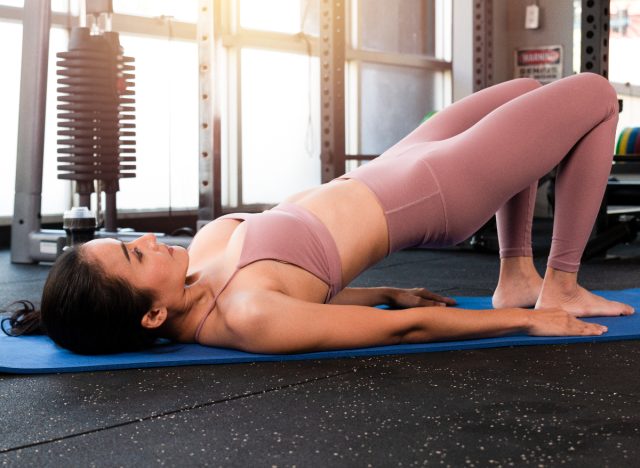
A good bridge starts with your setup. Your feet should feel planted, your ribs should stay controlled, and your hips should rise as one unit. Once you get into position, focus on keeping the same height from start to finish.
How to Do It:
- Lie on your back with your knees bent and your feet flat on the floor about hip-width apart.
- Place your arms at your sides with your palms facing down.
- Brace your core before lifting your hips.
- Press through your heels and raise your hips until your shoulders, hips, and knees form a straight line.
- Squeeze your glutes and keep your ribs down.
- Hold the position while breathing steadily.
Movement Standard: The hold counts when your hips stay level, your glutes stay engaged, and your body forms a straight line from your shoulders to your knees. Stop the timer when your hips lower or your low back starts doing most of the work.
Best Variations: Marching Bridge, Single-Leg Bridge, Banded Bridge Hold, Elevated Feet Bridge, Hip Thrust Hold.
Bridge Hold Test After 60: What Your Time Means
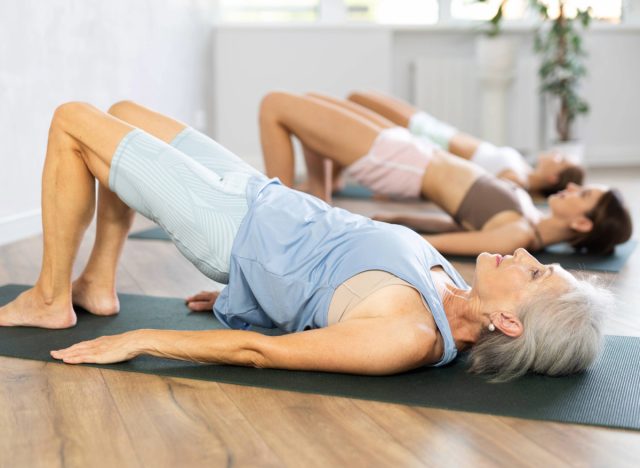
Use the clock as a reference, but pay attention to your position, too. A strong score comes from hips that stay level, glutes that stay active, and a steady breath from start to finish.
- Under 30 seconds: Building Your Base
This is a good place to start if the bridge feels new or your glutes fatigue quickly. Shorter holds can still build a lot of value here, especially when you focus on keeping your hips even and feeling the work in your glutes instead of your lower back.
- 30 to 60 seconds: A Solid Everyday Foundation
You’ve got enough glute endurance to support common daily movements like standing from a chair, climbing a flight of stairs, or staying comfortable through longer walks. This range gives you a strong base to build from.
- 60 to 90 seconds: Strong Hip Control
Your glutes are doing more than turning on for a few seconds. They can stay active, support your pelvis, and hold your position as fatigue builds. This usually lines up with better control during stairs, hills, step-ups, and other lower-body work.
- 90+ seconds: Top-Tier After 60
This is an impressive hold. Your glutes can maintain force, your hips stay organized, and your core keeps the position from drifting. That points to excellent muscular endurance through the hips and a strong foundation for staying active, mobile, and capable.
How to Build Stronger Glutes After 60
Building stronger glutes takes more than holding one position for longer. The bridge can be your starting point; then you can add movements that challenge the hips across different ranges of motion and positions. Regular practice helps your body become more comfortable creating tension through the glutes rather than relying on the lower back. Keep the work controlled, build gradually, and give yourself time to improve the quality of every rep and hold.
- Practice bridge holds a few times per week: Start with two to three sets of 20 to 40 seconds and build from there.
- Use full-range bridges: Lift until your hips line up with your knees and shoulders, then lower with control.
- Add marching bridges: Lift one foot at a time while keeping your hips level to challenge each side.
- Train step-ups: Step-ups build hip strength that carries into stairs, hills, and getting up from chairs.
- Include split squats: This exercise helps each leg build strength and control independently.
- Use hip thrusts when ready: Hip thrusts let you add resistance while keeping the focus on hip extension.
- Keep your ribs controlled: A steady rib position helps your glutes and core work together during bridges and other lower-body exercises.
- Retest every few weeks: Use the same setup and movement standard so your hold time gives you a clear picture of progress.
A clean bridge hold gives you a practical read on glute strength after 60. If you can stay level for more than 90 seconds, your hips have strong endurance and control that carry over into how you walk, climb, stand, and train.
References
- Jeong DE, Lee SK, Kim K. Comparison of the activity of the gluteus medius according to the angles of inclination of a treadmill with vertical load. J Phys Ther Sci. 2014 Feb;26(2):251-3. doi: 10.1589/jpts.26.251. Epub 2014 Feb 28. PMID: 24648642; PMCID: PMC3944299.
- Inacio M, Ryan AS, Bair WN, Prettyman M, Beamer BA, Rogers MW. Gluteal muscle composition differentiates fallers from non-fallers in community dwelling older adults. BMC Geriatr. 2014 Mar 25;14:37. doi: 10.1186/1471-2318-14-37. PMID: 24666603; PMCID: PMC4101852.
- Neto WK, Soares EG, Vieira TL, Aguiar R, Chola TA, Sampaio VL, Gama EF. Gluteus Maximus Activation during Common Strength and Hypertrophy Exercises: A Systematic Review. J Sports Sci Med. 2020 Feb 24;19(1):195-203. PMID: 32132843; PMCID: PMC7039033.