If You Can Hold a Bridge This Long After 55, Your Core Strength Is Top-Tier
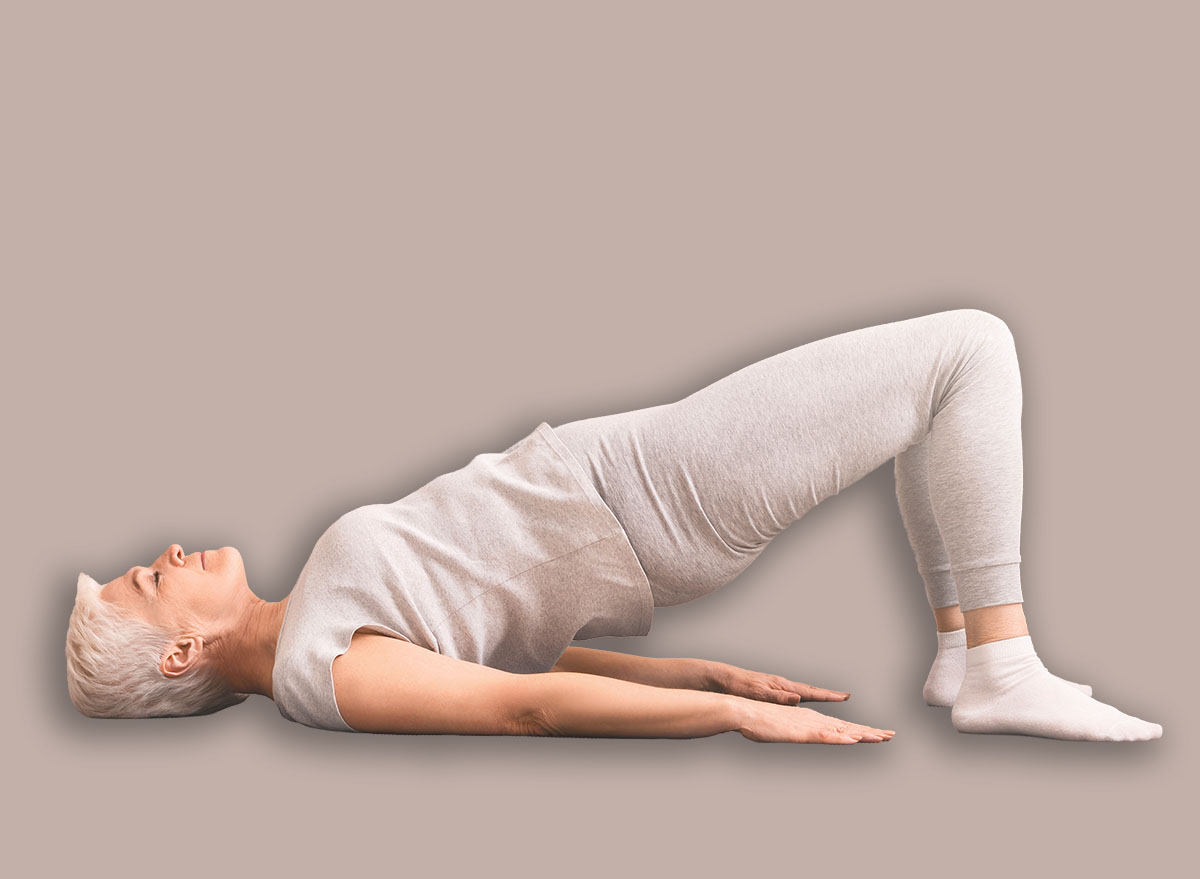

The bridge looks simple at first glance. You lie on your back, press your hips upward, and hold. Within seconds, though, you start to feel the demand spread through your glutes, hips, and midsection. But that tension is exactly what makes the bridge such a valuable test. It quickly reveals how well the muscles supporting your pelvis and spine can remain engaged over time.
Strong glutes and hips play a huge role in how the body performs as it ages. They drive powerful movements like climbing stairs, walking uphill, and rising from chairs. They also help stabilize the pelvis so the lower back doesn’t absorb unnecessary stress. When those muscles stay strong and coordinated, everyday movement feels smoother and more confident.
Hip strength also supports long-term joint health. The glutes help control the position of your knees and spine during movement. That control improves balance, reduces strain on surrounding joints, and keeps your body aligned during walking, lifting, and other daily activities. Many coaches consider the glutes one of the most important muscle groups for maintaining mobility later in life.
The bridge hold offers a clear way to test how well those muscles are doing their job. Holding the position requires your glutes, hamstrings, and deep core muscles to work together without losing tension. Up next, you’ll learn why the bridge is such an effective functional movement, how to perform it correctly, what your hold time says about your core strength, and how to build even stronger hips and glutes.
Why the Bridge Is a Functional Movement
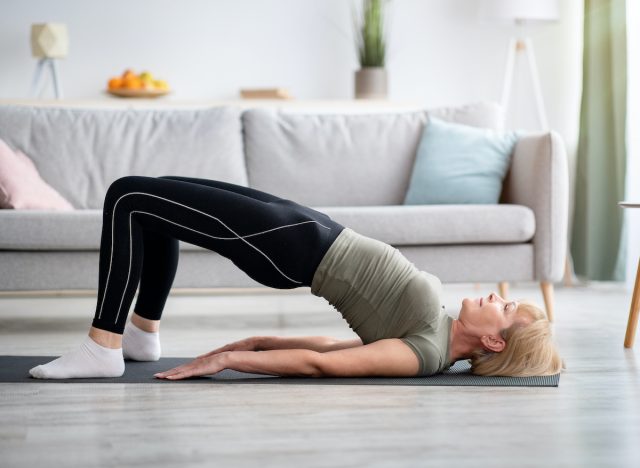
The bridge reinforces one of the body’s most important movement patterns: hip extension. Every step you take, every stair you climb, and every time you stand up from a seated position relies on your hips extending powerfully and under control. Training that pattern helps maintain strength in movements you perform dozens of times every day.
The bridge also teaches your body how to separate hip movement from lower-back movement. Many adults begin to rely too heavily on their lower back when their glutes weaken. The bridge encourages the glutes to take the lead again, improving spinal support and reducing unnecessary strain on the lumbar region.
Another advantage of the bridge is how effectively it challenges muscular endurance. Holding the position forces your glutes and deep core muscles to maintain tension while your pelvis stays level. That sustained effort builds fatigue resistance in the muscles responsible for posture, walking mechanics, and balance.
How to Perform the Best Bridge Technique
Proper technique ensures the test measures glute and core strength rather than compensations from the lower back. A strong setup allows the hips to drive the movement while the spine remains stable. When each second of the hold looks the same as the first, the result becomes a meaningful indicator of core strength.
How to Do It:
- Lie on your back with your knees bent and your feet flat on the floor about hip-width apart.
- Place your arms at your sides with your palms facing the floor.
- Brace your core by tightening your midsection before lifting your hips.
- Press through your heels and lift your hips until your shoulders, hips, and knees form a straight line.
- Squeeze your glutes firmly while keeping your ribs down and your pelvis level.
- Hold the position while breathing steadily until your hips begin to drop or your form breaks.
Once your hips sag or your lower back begins to arch excessively, the hold is complete.
Bridge Hold Strength Rankings After 55
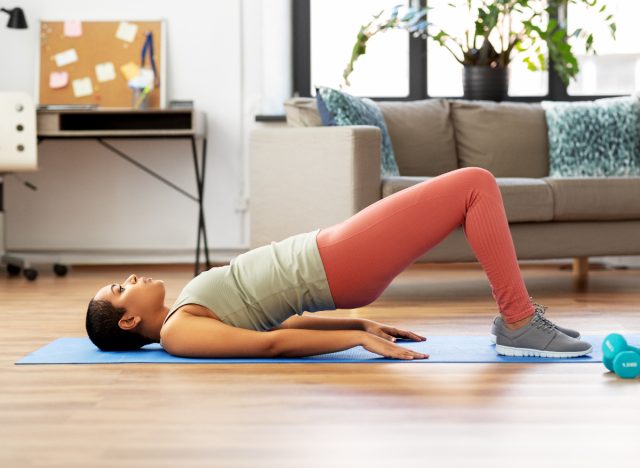
This test measures how long you can hold a clean bridge position without losing alignment. Start your timer once your hips reach full extension.
- Under 30 seconds: Needs Improvement
This range suggests limited endurance in the glutes and core. Fatigue may appear quickly during prolonged walking or standing.
- 30 to 60 seconds: Average
Your hips and core can handle everyday movement demands, though fatigue may show up during longer efforts.
- 60 to 90 seconds: Above Average
This score reflects strong glute endurance and solid pelvic stability.
- 90+ seconds: Top-Tier
This level demonstrates exceptional hip and core endurance. Your glutes maintain force output while your pelvis and spine stay controlled.
The Best Tips for Building Stronger Hips and Glutes After 55
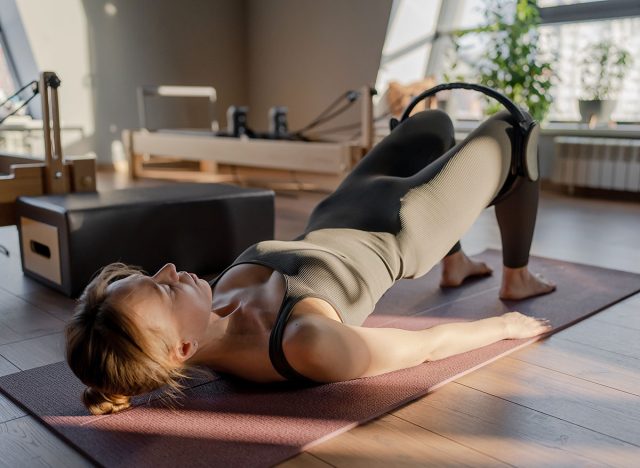
Stronger hips and glutes develop through consistent training that challenges both strength and endurance. These strategies help build a bridge hold that lasts longer while supporting overall movement quality.
- Practice bridges regularly: Perform two to three sets several times per week to build endurance in the glutes and core.
- Add single-leg variations: Single-leg bridges increase hip demand and improve pelvic control.
- Train other hip extension movements: Exercises like step-ups, kettlebell deadlifts, and hip thrusts strengthen the same muscle groups.
- Strengthen your core stabilizers: Planks, dead bugs, and carries improve trunk stability, which supports strong bridge holds.
- Focus on quality tension: Squeezing the glutes and maintaining alignment matter more than simply holding the position longer.
Strong hips and glutes influence nearly every movement you perform throughout the day. If you can hold a bridge for an extended period with clean form, you’re showing that the muscles supporting your spine and pelvis remain powerful, coordinated, and ready for whatever movement the day brings.
References
- Lehecka, B J et al. “BUILDING A BETTER GLUTEAL BRIDGE: ELECTROMYOGRAPHIC ANALYSIS OF HIP MUSCLE ACTIVITY DURING MODIFIED SINGLE-LEG BRIDGES.” International journal of sports physical therapy vol. 12,4 (2017): 543-549.
- Inacio, Mario et al. “Gluteal muscle composition differentiates fallers from non-fallers in community dwelling older adults.” BMC geriatrics vol. 14 37. 25 Mar. 2014, doi:10.1186/1471-2318-14-37