6 Chair Exercises That Build Leg Muscle Better Than Squats After 65 (No Strain)

After 40 years in the fitness industry and over 20 educating fitness professionals, one of the biggest barriers I’ve seen to people getting fit is the belief that you need to be in the gym to make progress. It’s simply not true. Consistent exercise anywhere beats going infrequently to the best-equipped gym in the world.
It’s more than possible to build a strong body at home using just a chair. These six exercises can help you build real leg strength without the strain of traditional squats or the risk of floor exercises.
Why Building Leg Muscle Gets Harder After 65
Traditional leg exercises simply don’t work the way they used to. Getting down to the floor for exercises feels risky, and getting back up is a workout in itself. Standing exercises that used to feel super simple now test your balance more than your leg strength.
Our muscles respond differently once we’re past 65, too. The speedat which we build muscle has naturally slowed down, and it takes longer for us to recover. It might have taken a day or two to recover in your 40s, but it now takes the best part of four days. None of this means you CAN’T build muscle, but we do need to alter our approach.
Joint discomfort becomes a real factor. Knees that have carried you for six decades or more often protest when you ask them to do deep squats or lunges. Hip mobility isn’t what it was, and ankles feel stiffer. Standard gym exercises can aggravate these issues rather than help them.
Confidence plays a part, too. After years of reduced activity, many people worry about injury or simply don’t trust their bodies to perform exercises safely. This fear often stops them from starting any strength programme at all.
Why Chair Exercises Work Better
Chair exercises remove the balance component that often limits how hard you can work your legs. When you’re standing, a big part of your energy goes into staying upright and stable. With a chair providing support, your muscles can focus entirely on the work rather than on balance.
The chair gives you built-in safety. You’re never more than a few inches from a stable surface, and you can control the difficulty by adjusting how much you rely on the chair for support. As you get stronger, you simply use the chair less.
Recovery is easier, too. Chair exercises tend to create less overall fatigue than standing work while still providing enough stimulus for your muscles to adapt and grow. You can work harder without that exhausted feeling that might put you off exercising altogether.
Most importantly, chair exercises let you maintain proper form throughout the movement. Good form matters more as we age because our joints become less forgiving of poor technique. The chair keeps you aligned correctly so your legs do the work rather than your back or knees compensating.
Seated Leg Extensions
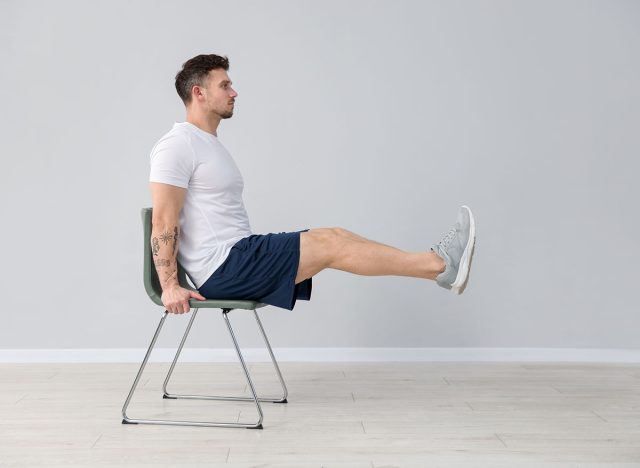
This exercise targets your quadriceps, the large muscles at the front of your thighs that help you stand up and climb stairs. After 65, these muscles weaken faster than most others, and seated leg extensions let you work them hard without stressing your knees.
Muscles Trained: Quadriceps
How to Do It:
- Sit towards the front of your chair with your back straight and feet flat on the floor
- Grip the sides of the seat for stability
- Slowly straighten one leg until it’s parallel to the floor
- Hold for two seconds while squeezing the muscle at the front of your thigh
- Lower it back down with control
- The movement should take about three seconds up and three seconds down
Common Mistakes to Avoid:
- Swinging your leg up using momentum rather than muscle control
- Leaning back as you lift, which takes the work away from your thigh muscles
- Moving too quickly through the repetitions
Form Tip: Keep your torso upright and move deliberately.
Sit-to-Stand
This mirrors the most important movement pattern in daily life: getting out of a chair. It works your quadriceps, glutes, and core all at once and directly improves your ability to stand up from low seats or the toilet.
Muscles Trained: Quadriceps, glutes, core
How to Do It:
- Sit in the middle of your chair with feet hip-width apart and flat on the floor
- Cross your arms over your chest or let them hang by your sides
- Lean forward slightly from your hips
- Push through your heels to stand up fully
- Lower yourself back down with control, touching the seat lightly before standing again without fully sitting
Common Mistakes to Avoid:
- Pushing off with your hands or using momentum to rock yourself up
- Letting your knees cave inward as you stand
Form Tip: Keep your knees tracking over your toes. Start with a higher chair if you need to and progress to lower seats as you get stronger.
Seated Marching
This works your hip flexors and quadriceps while building endurance in your legs. It’s gentler than standing exercises but still effective for building the stamina needed for walking and daily activities.
Muscles Trained: Hip flexors, quadriceps
How to Do It:
- Sit upright with your back away from the chair and feet flat on the floor
- Lift one knee up towards your chest as high as comfortable
- Hold for a second, then lower it back down
- Immediately lift the other knee
- Continue alternating legs in a marching motion, but keep it controlled rather than bouncing
Common Mistakes to Avoid:
- Rushing through the movement or barely lifting your knees
- Slouching or leaning back as you lift
- Losing core engagement
Form Tip: Lift each knee as high as you can while keeping your core tight and your back straight throughout.
Heel Raises
Your calves often get forgotten, but they’re essential for walking, balance, and preventing ankle instability. Heel raises are simple but remarkably effective for building lower leg strength.
Muscles Trained: Calves (gastrocnemius, soleus)
How to Do It:
- Sit with your feet flat on the floor, hip-width apart
- Place your hands on the chair for light support if needed
- Keeping the balls of your feet on the ground, lift both heels as high as possible
- Hold for two seconds at the top
- Lower back down with control
Common Mistakes to Avoid:
- Rolling onto the outside edges of your feet
- Using your hands to push yourself up
- Bouncing at the top instead of holding the position
Form Tip: The movement should come entirely from your calf muscles. Hold the position briefly to get maximum benefit.
Seated Hip Abduction
This targets the muscles on the outer part of your hips and thighs. These muscles keep your hips stable when you walk and stop your knees from caving inward. Weakness here often contributes to hip and knee problems.
Muscles Trained: Hip abductors (gluteus medius, gluteus minimus)
How to Do It:
- Sit upright with feet flat on the floor
- Keep one foot planted and slowly move the other leg out to the side as far as comfortable
- Keep your foot flexed and heel on the ground
- Hold for two seconds, then bring it back to the centre
- Complete all repetitions on one side before switching
Common Mistakes to Avoid:
- Lifting your foot off the ground
- Twisting your torso to create more movement
Form Tip: Keep your heel down and your upper body still. The movement should be small and controlled.
Seated Calf Stretch With Resistance
This combines a stretch with gentle resistance work for your calves and shin muscles. It improves ankle mobility while building strength, which helps prevent trips and stumbles.
Muscles Trained: Calves, shin muscles (tibialis anterior)
How to Do It:
- Sit with one leg extended straight out in front of you, heel on the floor
- Point your toes away from you as far as possible
- Hold for two seconds
- Flex your foot to pull your toes back towards your shin
- Continue pointing and flexing in a slow, controlled manner
Common Mistakes to Avoid:
- Rushing the movement or barely moving your foot
- Letting your leg relax between repetitions
Form Tip: You want a full range of motion from pointed to flexed, holding briefly at each end. Keep the muscle engaged throughout.
How to Structure This Routine

Start with 2 sets of 10 repetitions for each exercise. The leg extensions, sit-to-stands, hip abductions, and calf stretches are done one leg at a time, so that’s 10 reps per leg. The seated marching and heel raises work both legs together, so 10 total repetitions.
Rest for 30-45 seconds between sets of the same exercise, then move on to the next exercise. The entire routine should take about 20-25 minutes once you’re familiar with the movements.
As you get stronger over the first few weeks, increase to 3 sets of 12 repetitions. After that, you can make exercises harder by slowing down the movement (try 4 seconds up and 4 seconds down) or by reducing how much you rely on the chair for support.
How Often to Do This Routine
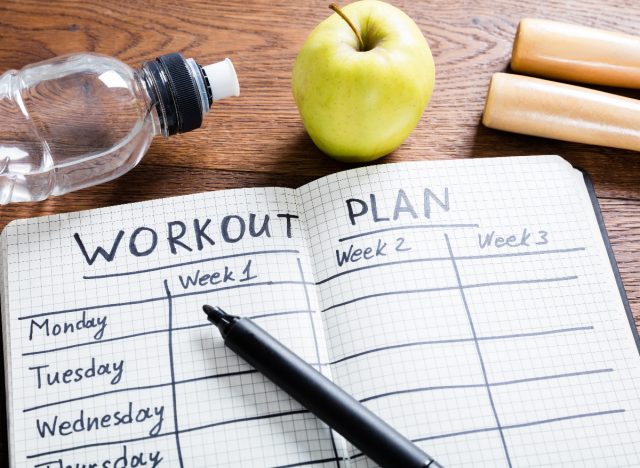
Three times per week with at least one rest day between sessions. Monday, Wednesday, and Friday work well for most people. Your muscles need that recovery time to adapt and grow stronger, especially after 65, when recovery takes a bit longer.
On your rest days, you can do gentle walking or stretching, but avoid working your legs hard. Some people like to do upper-body exercises or light cardio on these days, which is fine as long as your legs get proper rest.
If you’re just starting out after a long period of inactivity, begin with twice weekly for the first two weeks to let your body adapt. Then move up to three times weekly once the exercises start feeling manageable.
What Results to Expect After 4 to 8 Weeks
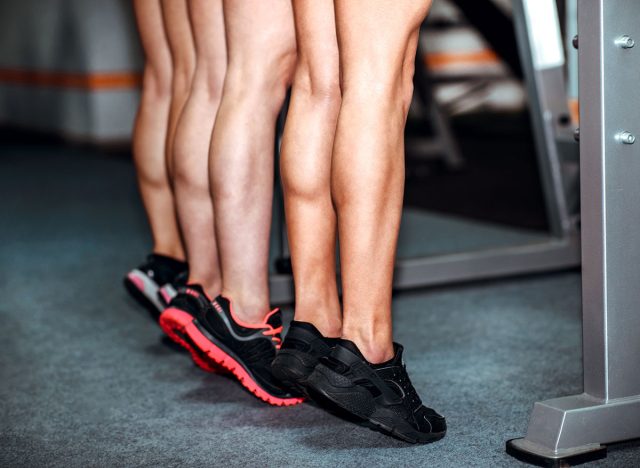
After 4 weeks of doing this routine three times weekly, you’ll notice functional changes before visual ones. Getting out of chairs becomes noticeably easier, and you’ll probably stop using your hands to push yourself up. Stairs won’t leave you as breathless, and walking feels less tiring.
Your legs will feel more solid and stable. That slight wobbliness when you stand up or turn around quickly starts to disappear. Your balance improves because your leg muscles are firing more efficiently to keep you steady.
By 8 weeks, you’ll see physical changes. Your thighs and calves will look more defined,d and your trousers might fit differently around your legs. Other people might comment that you’re moving better or standing taller.
The strength gains are quite impressive, too. Many people find they can do 15-20 repetitions of exercises that left them exhausted after 10 reps at the start. Some progress from needing the chair for support during sit-to-stands to barely touching it.
Perhaps most importantly, your confidence grows. You trust your legs again and stop avoiding activities because you’re worried about your ability to do them. This confidence often leads to being more active generally, which creates even better results.