6 Chair Exercises That Restore Walking Strength Faster Than Lunges After 60
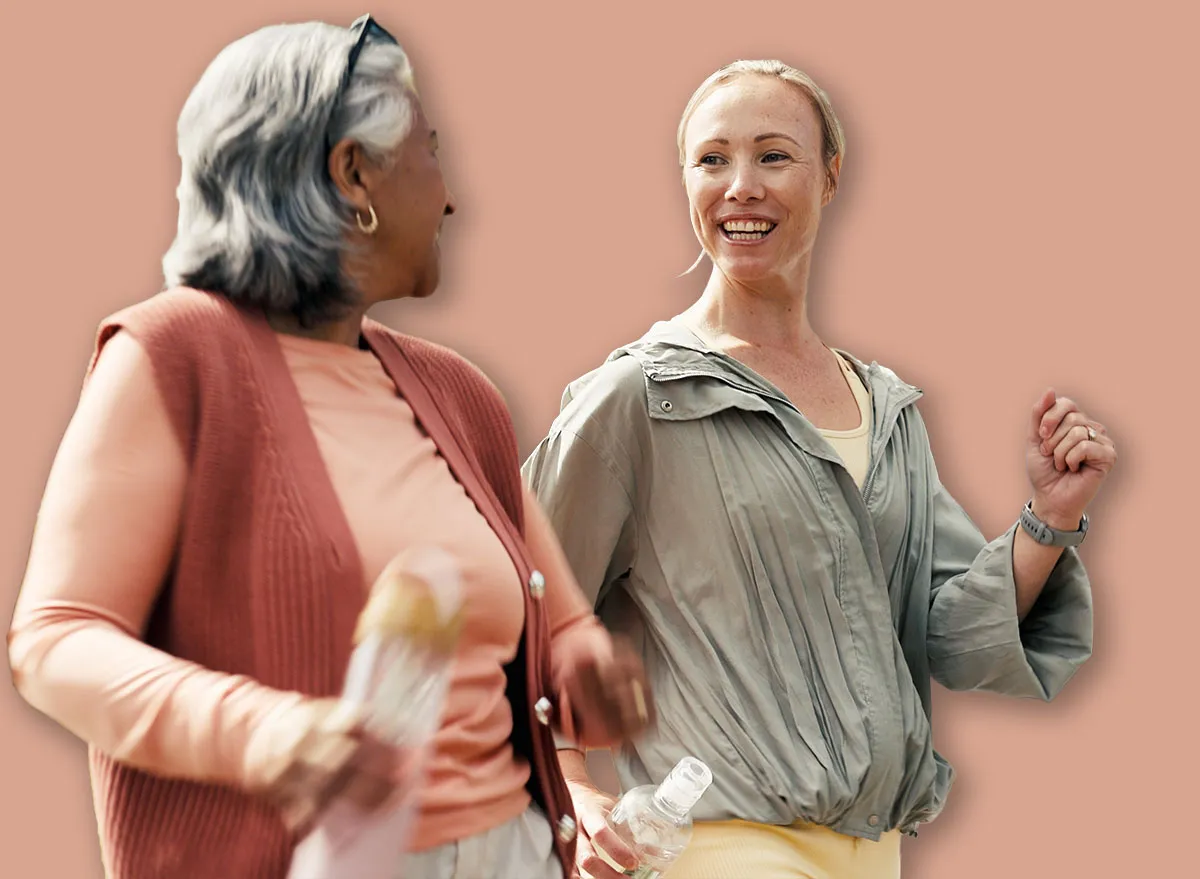

Walking should feel effortless, but after 60, many people notice their stride becoming shorter, slower, and less confident. The muscles responsible for propelling you forward gradually weaken with age, especially if long periods of sitting become part of your daily routine. As a trainer, I’ve worked with many clients who believed walking more was the only answer to improving their gait. While regular walks certainly help, building the strength behind every step makes an even bigger difference.
Lunges have earned a reputation as one of the best lower-body exercises, but they aren’t the right fit for everyone. They demand considerable balance, knee stability, and hip mobility, which makes them uncomfortable or intimidating for many older adults. Chair exercises offer a safer alternative while still strengthening the muscles that power walking. Better yet, they allow you to train consistently without worrying about losing your balance or putting unnecessary stress on your joints.
I’ve spent years helping adults over 60 regain confidence in their movement, and some of the biggest improvements have come from simple chair workouts. These exercises strengthen the hips, thighs, calves, and core while reinforcing the movement patterns your body uses every time you take a step. Perform them a few mornings each week, and you’ll build the kind of strength that carries over into longer walks, easier stair climbing, and greater independence.
Seated Marches
Whenever I evaluate someone’s walking pattern, I pay close attention to how well they lift each knee. Weak hip flexors often lead to shorter strides, slower walking speeds, and an increased chance of catching the toes on uneven ground. Seated marches strengthen those muscles while engaging the lower abdominals and improving coordination between the hips and core. I frequently use this exercise early in a program because almost anyone can perform it comfortably. Clients often notice that their legs feel lighter and their walking rhythm becomes smoother after only a few weeks of practice.
How to Do It
- Sit tall near the front of a sturdy chair.
- Keep both feet flat on the floor.
- Lift one knee toward your chest.
- Lower it with control.
- Alternate sides continuously.
- Continue for 45 to 60 seconds.
Sit-to-Stand
Few exercises translate to better walking as directly as repeatedly standing up and sitting back down. Every repetition strengthens the quadriceps, glutes, hamstrings, and core while reinforcing one of the most functional movement patterns in daily life. I recommend this exercise to nearly every older client because it improves leg strength without requiring complicated equipment. As those muscles become stronger, walking hills, climbing stairs, and rising from chairs all begin feeling easier. Consistent practice builds the foundation for more powerful, confident steps.
How to Do It
- Sit near the front of the chair.
- Place your feet shoulder-width apart.
- Lean forward slightly.
- Press through your heels to stand.
- Sit back down slowly.
- Perform 10 to 15 repetitions.
Seated Heel Raises
Strong calves help push your body forward every time your foot leaves the ground. Unfortunately, they’re one of the most overlooked muscle groups in walking programs. I include seated heel raises because they improve lower-leg strength while increasing circulation around the ankles and feet. Clients often report feeling more stable during longer walks after adding them to their routine. Better calf strength also helps reduce fatigue by making each step more efficient.
How to Do It
- Sit upright with both feet on the floor.
- Raise your heels as high as possible.
- Keep your toes planted.
- Pause briefly.
- Lower slowly.
- Complete 15 to 20 repetitions.
Seated Knee Extensions
Walking depends heavily on strong quadriceps, especially during the moment your leg straightens to support your body weight. Seated knee extensions isolate these muscles without placing excessive stress on the knees, making them an excellent option for older adults. I often prescribe them for clients rebuilding strength after periods of inactivity because they’re simple, effective, and easy to progress. Over time, stronger quadriceps improve stride stability and make everyday movement feel more secure. They also help reduce the effort required for common tasks like climbing stairs.
How to Do It
- Sit tall with both feet flat.
- Straighten one leg completely.
- Hold briefly at the top.
- Lower slowly.
- Complete 12 repetitions.
- Repeat with the opposite leg.
Seated Toe Raises
Many older adults begin shuffling their feet because the muscles along the front of the lower leg gradually weaken. Seated toe raises target those muscles directly, helping improve toe clearance during walking and reducing the likelihood of tripping. I often introduce this movement alongside calf raises because the muscles work together during every stride. Clients frequently notice smoother walking mechanics and greater confidence on uneven sidewalks after strengthening both sides of the lower leg. It’s a small movement with an outsized impact on everyday mobility.
How to Do It
- Sit with both heels on the floor.
- Lift your toes toward your shins.
- Keep your heels planted.
- Pause briefly.
- Lower under control.
- Perform 15 to 20 repetitions.
Seated Cross-Body Knee Lifts
I like finishing walking-strength routines with a movement that combines strength, coordination, and core activation. Seated cross-body knee lifts challenge both the lower body and the muscles responsible for rotational stability, which play an important role in maintaining a natural arm swing and walking rhythm. The alternating pattern encourages the brain and body to work together, improving coordination as well as muscular endurance. Many clients tell me they feel more fluid and confident when walking after making this exercise part of their morning routine. It’s an excellent reminder that efficient walking relies on the entire body, not just the legs.
How to Do It
- Sit tall with your feet flat.
- Lift your right knee.
- Reach your left hand toward the knee.
- Return to the starting position.
- Alternate sides in a steady rhythm.
- Continue for 45 to 60 seconds.