8 Steak Grilling Tips Every Home Cook Should Know, According to Chefs
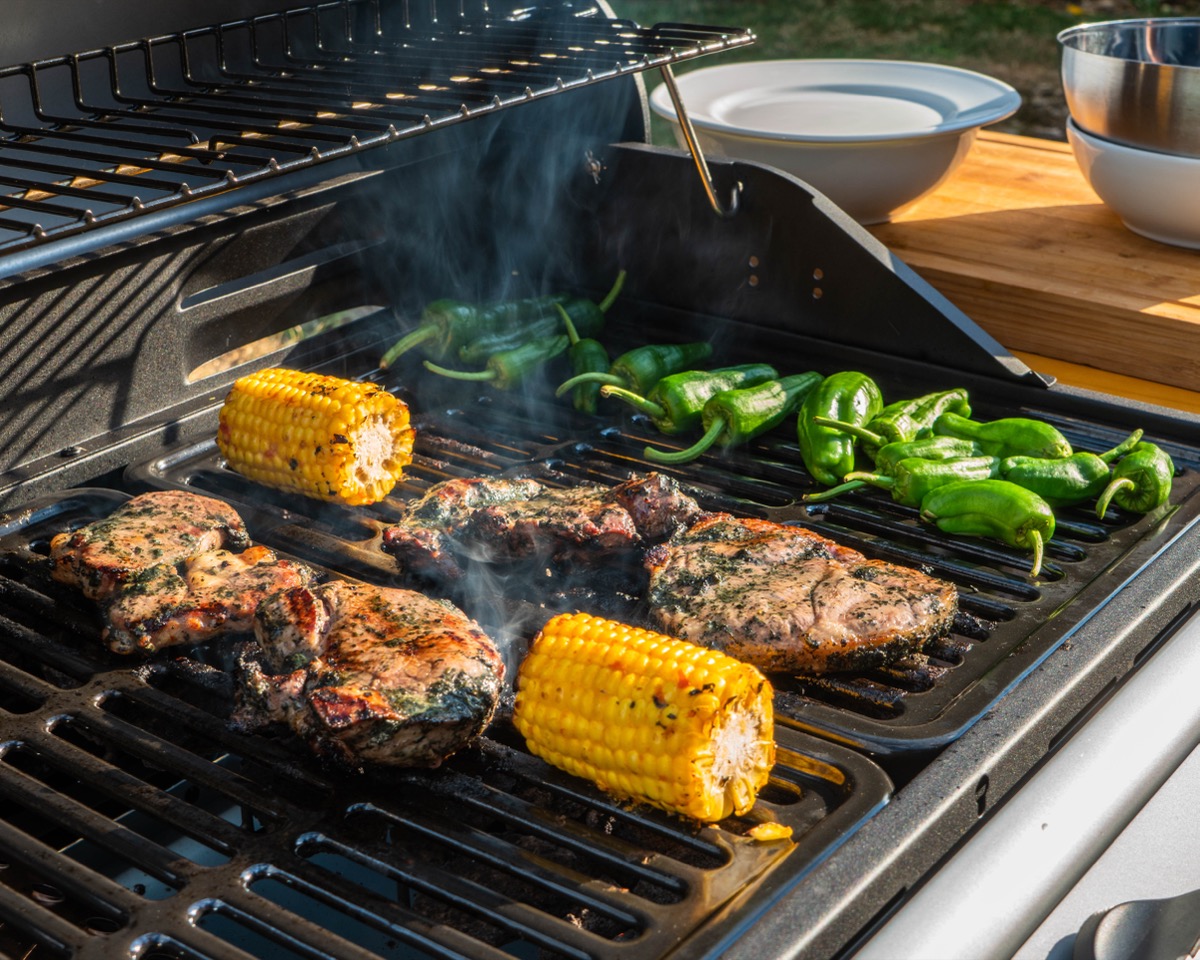

Nothing says summer like a perfectly grilled steak, but getting it right takes more than just heat and seasoning. From choosing the right cut to nailing the timing on the grill, small adjustments can make a big difference in flavor and texture. To help you level up your cookout game, Eat This, Not That! asked chefs for their best steak grilling tips to use all season long.
The Type of Meat Matters
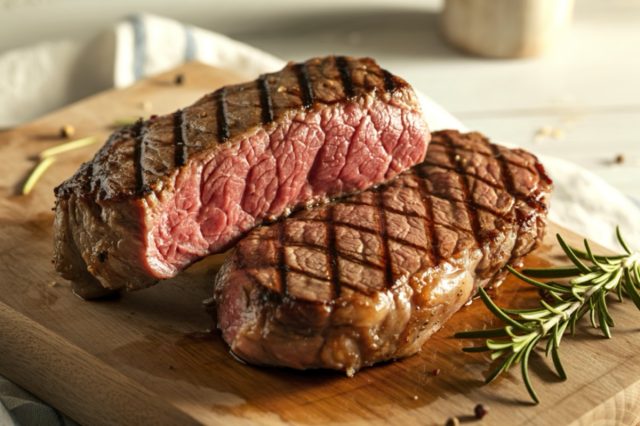
Great steak grilling starts long before the meat hits the grill. Choosing the right cut and quality of beef sets the foundation for everything that follows. “Because grilled steak doesn’t need much more than salt and pepper to really sing, it’s essential to start with high-quality meat,” says Ashley Lonsdale, ButcherBox chef-in-residence. “Choose grass-fed beef from a reputable supplier to provide a baseline of excellent flavor.” She explains, “It’s important to note that grass-fed beef does cook faster than conventional beef, so lower your internal temperature targets by 5 to 10 degrees.”
Salt-Ahead
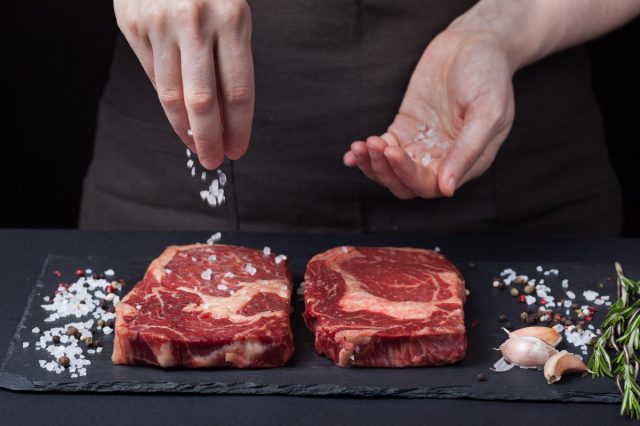
One of the simplest ways to improve steak flavor and texture is to start before cooking even begins. A little advance seasoning can go a long way, says Chef Ashley. “To coax out even more flavor and optimal texture, consider salting your steaks ahead of time and allowing them to dry-brine for a juicy and well-seasoned result,” she shares. “If you don’t have at least 45 minutes, salting your steak just before grilling is fine too! Steaks can be salted up to 24 hours ahead of time in the refrigerator.”
Turn Your Steak Often

Many home cooks follow outdated grilling rules, but chefs say one habit in particular can dramatically improve your results on the grill. “One of the biggest grilling myths is that steak should only be turned once,” Jorge Thomas, chef and founder of Swaledale Butchers, stated. “I turn steaks regularly. You get a more even crust, a more even cook and better control.” He added, “Most people are surprised by how much difference it makes when they try it for themselves.”
Reverse Sear
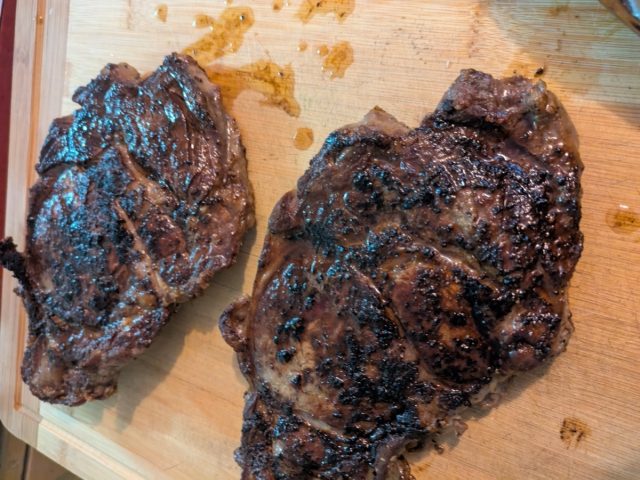
If you want maximum control over doneness and flavor, the reverse sear method offers a chef-approved way to build both smoke and crust in a single step. “Smoking steak to desired internal temp,” says Chef John Pannell, the Senior Culinary Innovation Specialist at recteq. “Then cook at high temp to get a sear on the outside of the steak.” He explains, “This method allows the chef to infuse the steak with some delicious smoke flavor while bringing the steak up to temp. Then sear at high temps to give the steak texture and char; that’s the best way to eat a steak.”
Use Simple Marinades
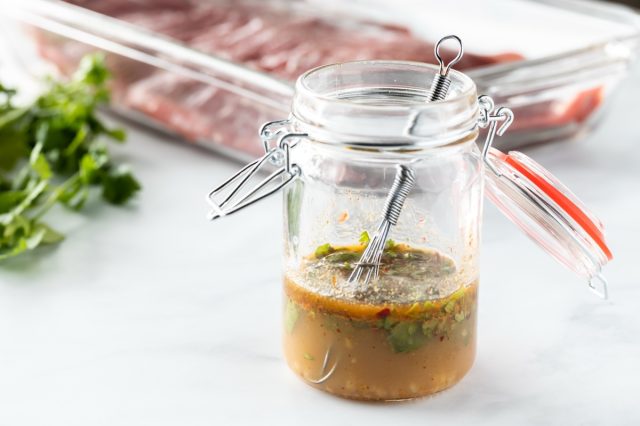
You don’t need complicated ingredients to build flavor. In fact, chefs often rely on straightforward marinades and rubs to enhance beef’s natural flavor. “For example, for more affordable cuts like Bottom Round Steaks, you can marinate in a mixture of red wine vinegar, water, olive oil, minced garlic, thyme and red pepper overnight. This infuses the meat with flavor and makes it more tender,” says Dagan Lynn, executive chef with Beef. It’s What’s For Dinner.
Lynn has a favorite go-to recipe he uses often and recommends using an acidic marinade with vinegar or lime juice to help break down tough muscle fibers and make the meat more tender and flavorful. “You should let your steak marinate for anywhere from 6 to 24 hours,” he says. “For more tender cuts like a filet mignon, you can use dry rubs with warm spices such as cumin, coriander and allspice to enhance the cut’s depth of flavor.” He adds, “You can marinate in the dry rub for two hours before you cook your steak.”
Pay Attention to Visual Cues
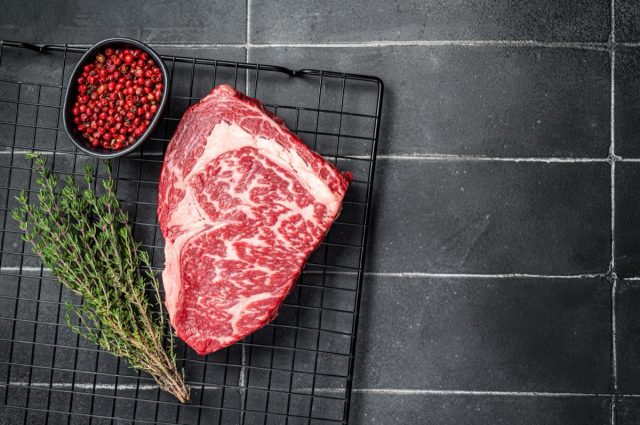
Knowing when to buy steak is just as important as knowing how to cook it. A few visual signs can help you pick a better cut before it ever reaches your grill. “There are three key things to look for when picking out a steak this summer at your local butcher, according to Chef Christopher Robert, Corporate Chef of Queen Miami Beach.
“First is marbling; consistent white veins of fat throughout the cut define the flavor. Second is color; look for a deep red rather than gray, brown, or pink.” He adds, “Finally, the meat should appear dry rather than wet, which indicates it has been handled properly.”
Let the Steak Sit
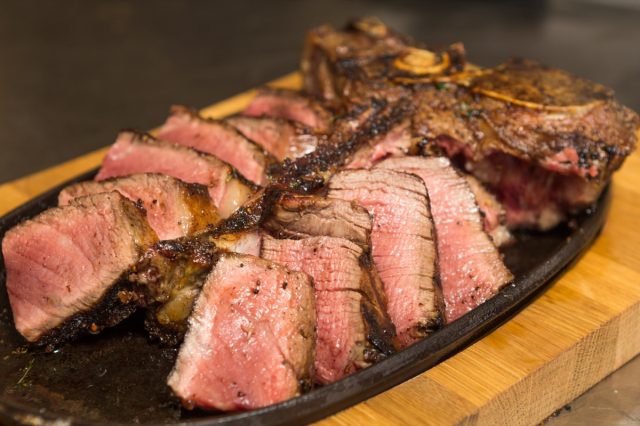
Timing matters at every stage of grilling, including before and after cooking. Resting and temperature control are key to keeping your steak juicy and flavorful. “Cooking the steak straight from the fridge and failing to let it rest afterward is a big mistake,” says Chef Christopher. “These both stem from a fundamental error of not respecting temperature.” He explains, “To fix this, pull your steak out 30 to 45 minutes before cooking to let it approach room temperature, then pat it bone-dry with paper towels. Moisture is the enemy of a good crust. After cooking, rest the steak for at least five minutes so the juices can redistribute. If you slice it too early, the flavor ends up on the cutting board instead of in the meat.”
Finishing Touch
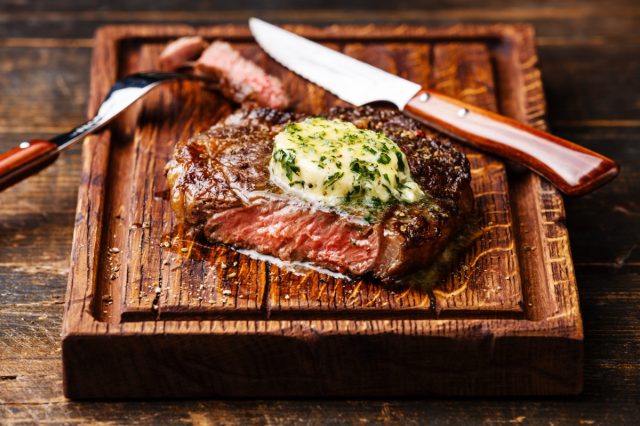
The final step can be what separates a good steak from a great one. A simple finishing technique adds richness and depth right before serving. “For a solid finish to a steak dish this summer, baste the meat with butter, garlic, thyme, and rosemary,” Chef Christopher suggests. “Make sure to keep the butter a brown color (do not burn it) to provide a deep flavor and reinforce the crust. Finish with a touch of Maldon salt.”