6 Daily Exercises That Build Strength Better Than Machines After 50
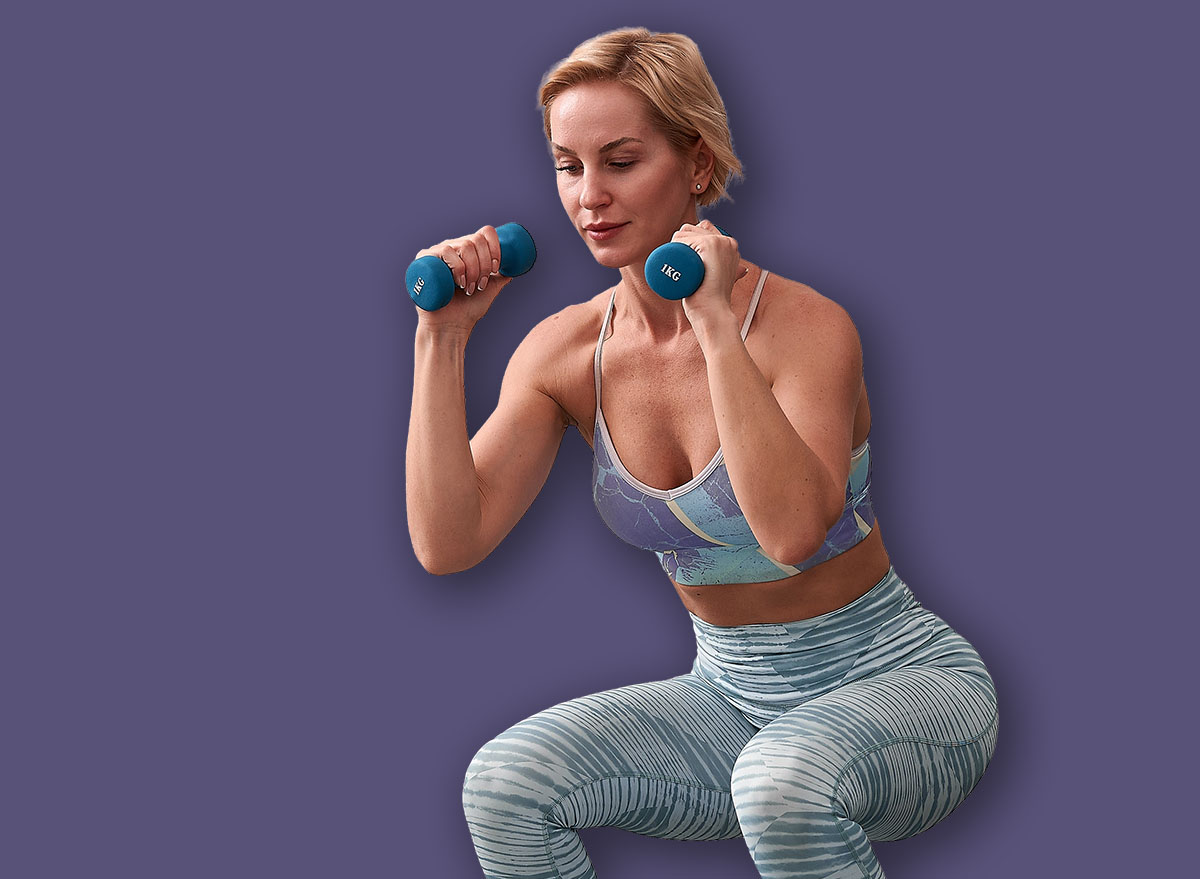

Machines promise safety and simplicity, yet they quietly steal strength after 50. Fixed paths remove balance demands, reduce stabilizer engagement, and allow stronger muscles to dominate while weaker links fade. Over time, that imbalance limits real-world strength and leaves joints doing more work than muscles should handle.
Daily strength thrives on coordination, posture, and tension control. Free, body-driven movements force muscles to communicate, stabilize, and produce force together. That cooperation builds usable strength, the kind that carries groceries, climbs stairs, and protects joints, without grinding wear and tear.
These six exercises fit into everyday life and outperform machines by restoring how the body actually moves. Perform them daily with intent, moderate effort, and clean mechanics, and strength compounds quickly after 50.
Sit-to-Stand Squat
This movement builds lower-body strength through the exact pattern used dozens of times per day. Unlike leg press machines that lock the body into a single groove, sit-to-stands demand balance, hip drive, and trunk control together. Each repetition teaches the legs and core to share the load, protecting knees while reinforcing powerful hip extension.
Daily practice sharpens neuromuscular efficiency, the ability to recruit strength smoothly without strain. Over time, this pattern rebuilds leg power, improves confidence, and reinforces joint-friendly mechanics that machines never address.
How to Do It
- Sit on a chair with feet shoulder-width
- Brace core and lean slightly forward
- Drive through heels to stand tall
- Lower back down with control
Standing Push-Away Press
Upper-body pushing strength matters far beyond the gym. This standing press pattern forces the shoulders, chest, arms, and core to stabilize while producing force. Unlike seated machines that brace your body for you, this movement demands posture, balance, and tension management from head to toe.
Practicing this daily improves shoulder resilience and restores pressing strength without joint compression. Light resistance performed with slow control builds more usable strength than heavy machine work that removes stabilization demands.
How to Do It
- Stand tall holding a band or light dumbbells
- Press hands forward at chest height
- Keep ribs down and core braced
- Return slowly under control
Hip Hinge Reach
Strong hips protect the spine and power nearly every movement after 50. This hinge pattern trains glutes and hamstrings while teaching the body to load properly through the hips rather than the lower back. Machines often isolate muscles without teaching this essential coordination.
Daily hinge practice restores posterior-chain strength, improves posture, and reinforces safe bending mechanics. That combination translates directly into reduced back stress and stronger movement throughout the day.
How to Do It
- Stand tall with feet hip-width
- Push hips back while reaching arms forward
- Keep spine long and neutral
- Return to standing by driving hips forward
Split-Stance Hold
Single-leg strength separates resilient bodies from fragile ones after 50. This split stance challenges balance, hip stability, and leg strength simultaneously. Machines rarely expose asymmetries, but this position reveals and corrects them quickly.
Holding this stance daily strengthens stabilizers around the hips, knees, and ankles. Improved balance reduces fall risk while reinforcing strength that carries over into walking, climbing, and athletic movement.
How to Do It
- Step one foot forward into a split stance
- Lower slightly until both legs load
- Hold position with torso upright
- Switch sides after each hold
Standing Row Pull-Back
Upper-back strength anchors posture and protects shoulders. This standing row pattern trains the arms while forcing the core and hips to stabilize the body. Machines often support the torso, letting posture collapse without consequence.
Daily pulling strengthens the muscles responsible for upright posture and shoulder alignment. Consistent tension here reduces neck strain, improves arm strength, and balances pressing movements that dominate everyday life.
How to Do It
- Stand tall holding a band or dumbbells
- Pull elbows back toward ribs
- Squeeze shoulder blades together
- Return slowly with control
RELATED: 4 Daily Walking Practices That Rebuild Lost Muscle Better Than Weight Training After 50
Loaded Carry Walk
Nothing builds real-world strength like carrying weight while walking. This movement trains grip, arms, core, hips, and posture simultaneously. Machines isolate pieces; carries integrate the whole system under tension.
Daily carries reinforce bracing mechanics and teach the body to move under load without collapse. Even short distances performed with focus build durable strength that transfers into every aspect of life after 50.
How to Do It
- Hold weights at sides or chest
- Stand tall with ribs down
- Walk slowly with controlled steps
- Stop before posture breaks