4 Morning Exercises That Restore Full-Body Strength Better Than Gym Sessions After 45
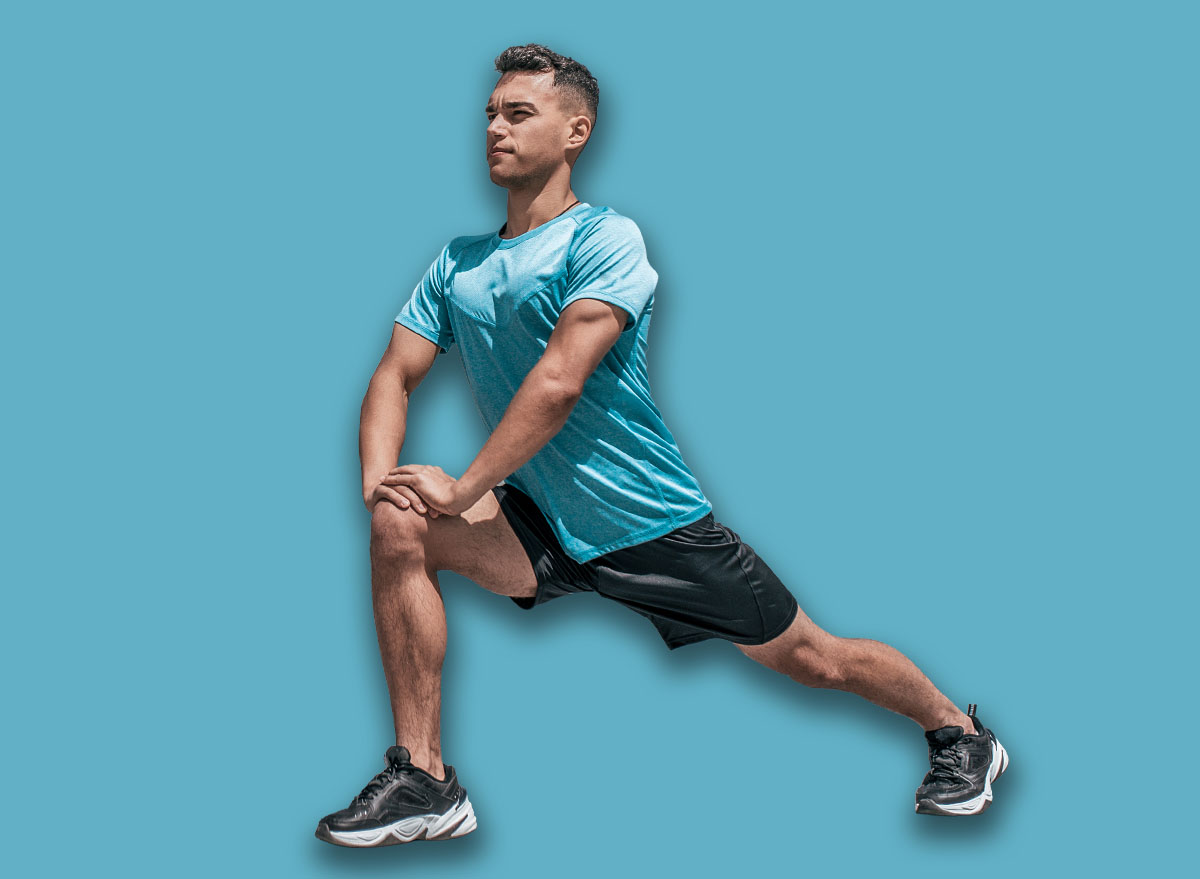

Morning movement has a way of bringing your body back online, especially after 45. Joints feel less stiff, muscles wake up faster, and coordination improves when you move with purpose early in the day. You don’t need long gym sessions to feel strong again. What you need is consistent, full-body work that challenges balance, control, and strength without draining your energy.
Full-body strength comes from how well your muscles work together. Movements that ask your legs, core, and upper body to cooperate rebuild strength faster than isolated exercises. Morning sessions also make it easier to stay active the rest of the day, which supports recovery and keeps your body feeling capable instead of worn down.
The exercises below come from years of coaching adults who want strength that carries into real life. They use bodyweight and simple setups to build stability, coordination, and usable power. Each move restores confidence in how your body moves. Up next are four morning exercises that rebuild full-body strength in a way that feels sustainable.
Alternating Reverse Lunges
Reverse lunges rebuild lower-body strength while protecting your knees and hips. Stepping back instead of forward reduces joint stress and improves balance. Each rep forces your core to stabilize while your legs work independently. That unilateral demand restores strength symmetry and coordination. Done consistently, this movement improves walking, climbing stairs, and overall lower-body control.
Muscles Trained: Glutes, quadriceps, hamstrings, core.
How to Do It:
- Stand tall with your feet hip-width apart.
- Step one foot back and lower into a lunge.
- Keep your front knee stacked over your foot.
- Push through your front foot to stand.
- Alternate sides with controlled movement.
Recommended Sets and Reps: Perform 3 sets of 8 to 10 reps per side. Rest for 45 seconds between each set.
Best Variations: Static reverse lunge, goblet reverse lunge, slow tempo lunges.
Form Tip: Keep your torso tall and your weight centered over your front foot.
Bodyweight Renegade Rows
This exercise challenges your upper body and core simultaneously. Supporting yourself on the floor forces your abs and glutes to stabilize while your arms pull. That combination rebuilds functional strength without heavy weights. It also improves shoulder stability and posture. Few movements restore total-body coordination as efficiently.
Muscles Trained: Upper back, shoulders, arms, core.
How to Do It:
- Start in a plank position with your hands under your shoulders.
- Widen your feet slightly for stability.
- Shift your weight and lift one hand off the floor.
- Pull your elbow toward your ribs.
- Lower your hand back down and switch sides.
Recommended Sets and Reps: Perform 3 sets of 6 to 8 reps per side. Rest for 45 seconds between each set.
Best Variations: Knee-supported renegade row, plank hold, slow tempo reps.
Form Tip: Keep your hips steady and avoid twisting as you row.
Glute Bridge
Glute bridges help strengthen muscles that often weaken with age and prolonged sitting. Strong glutes support your lower back, hips, and posture. This exercise also trains your core to brace while your hips move. When your glutes fire properly, everyday movements feel smoother and stronger. It’s a foundational move worth repeating often.
Muscles Trained: Glutes, hamstrings, core, lower back stabilizers.
How to Do It:
- Lie on your back with your knees bent and feet flat on the floor.
- Place your arms at your sides for support.
- Brace your core and squeeze your glutes.
- Lift your hips until your body forms a straight line.
- Lower your hips back down with control.
Recommended Sets and Reps: Perform 3 sets of 12 to 15 reps. Rest for 30 seconds between each set.
Best Variations: Single-leg glute bridge, pause reps, bridge hold.
Form Tip: Drive through your heels and avoid arching your lower back.
Incline Push-Ups
Incline push-ups rebuild pushing strength while staying joint-friendly. The elevated position allows better control and cleaner reps. Your core stays engaged from start to finish, turning this into a full-body movement. It also strengthens your shoulders and arms without excessive strain. This exercise scales easily as your strength improves.
Muscles Trained: Chest, shoulders, triceps, core.
How to Do It:
- Place your hands on a bench or sturdy surface.
- Walk your feet back until your body forms a straight line.
- Brace your core and lower your chest toward your hands.
- Press through your palms to straighten your arms.
- Reset your posture and repeat.
Recommended Sets and Reps: Perform 3 sets of 10 to 15 reps. Rest for 45 seconds between each set.
Best Variations: Wall push-ups, lower incline push-ups, tempo reps.
Form Tip: Keep your body rigid from head to heels throughout each rep.
The Best Daily Habits for Restoring Strength After 45

Strength returns fastest when exercise and daily habits work together. Morning sessions create momentum, but what you do throughout the day determines how well that strength sticks. Focus on habits that reinforce movement, recovery, and consistency.
- Move with intention: Short strength sessions paired with daily activity keep your body engaged.
- Train full-body often: Compound movements restore coordination and balance faster than splits.
- Prioritize protein: Adequate protein supports muscle repair and helps preserve lean tissue as you age. Evenly distributing protein across meals improves recovery and strength gains.
- Recover well: Sleep and light mobility help muscles adapt and rebuild.
- Stay consistent: Strength improves through repeatable effort, not occasional hard days.
- Progress patiently: Feeling stronger week to week matters more than chasing fatigue.
References
- Ramos-Campo, Domingo J et al. “Efficacy of Split Versus Full-Body Resistance Training on Strength and Muscle Growth: A Systematic Review With Meta-Analysis.” Journal of strength and conditioning research vol. 38,7 (2024): 1330-1340. doi:10.1519/JSC.0000000000004774
- Nunes, Everson A et al. “Systematic review and meta-analysis of protein intake to support muscle mass and function in healthy adults.” Journal of cachexia, sarcopenia and muscle vol. 13,2 (2022): 795-810. doi:10.1002/jcsm.12922