4 Morning Exercises That Restore Knee Strength Faster Than Gym Machines After 60
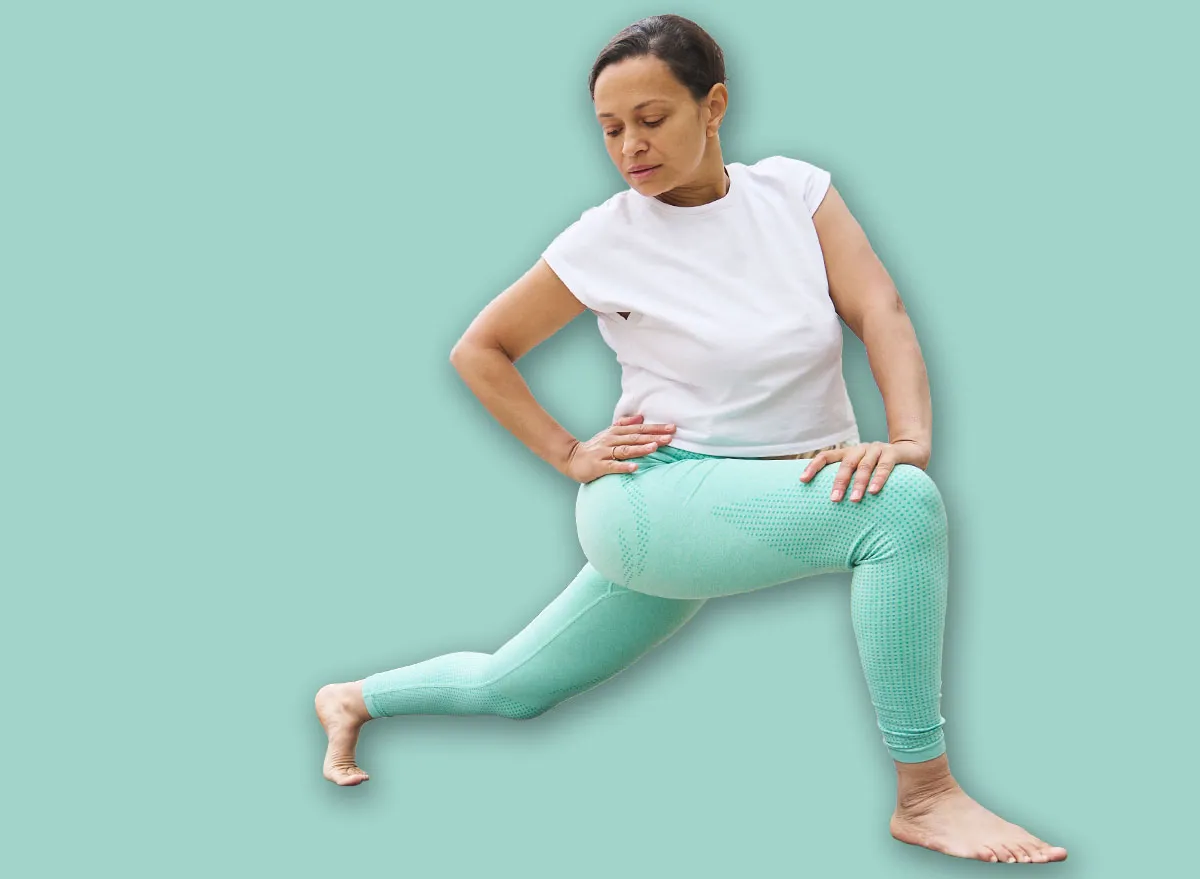

Knee strength after 60 rarely improves through machines alone. Most machines guide movement and limit how much the surrounding muscles actually stabilize and support the joint. What your knees really need involves stronger quads, glutes, and calves working together with control. I’ve coached clients in this age group for years, and the biggest improvements always show up when we focus on simple, controlled movements first thing in the morning, before stiffness builds and before poor movement patterns take over the day.
Morning training creates a strong advantage. It increases circulation around the joint, wakes up the muscles that protect the knee, and reinforces proper alignment early. That early activation carries into walking, climbing stairs, and standing throughout the day.
Another key factor comes down to control. Fast reps don’t rebuild knee strength: slow, deliberate movement does. When you keep tension on the muscles that support the knee, the joint experiences less stress while the surrounding structures grow stronger.
The following exercises target the muscles that stabilize and protect the knees while reinforcing balance and coordination. Move slowly, stay aligned, and focus on pushing through your legs during every rep.
Sit-to-Stand With Slow Descent
This movement builds foundational strength in the quads and glutes while reinforcing one of the most important daily actions, standing up. I use it constantly because it directly improves how your knees handle real-world movement. Most people rely on momentum when sitting down, but slowing that phase changes everything.
Lowering yourself into the chair over three to five seconds keeps the quads under continuous tension. That controlled descent strengthens the muscles that support the knee without placing excessive strain on the joint. Driving back up reinforces power and stability.
How to Do It
- Sit on a sturdy chair
- Stand up without using your hands
- Lower yourself slowly (3–5 seconds)
- Keep your chest up
- Repeat with control.
Supported Step-Back Lunges
Step-back lunges strengthen the legs while reducing forward pressure on the knees. I rely on this movement because it allows better control and alignment compared to forward lunges, especially for those rebuilding strength.
Stepping backward shifts the workload into the glutes and quads while keeping the front knee stable. Moving slowly keeps the muscles engaged and improves coordination. Over time, this builds strength that directly supports knee function.
How to Do It
- Stand tall and hold a stable surface if needed
- Step one foot backward
- Bend both knees slightly
- Push through the front foot to return
- Alternate legs.
Standing Calf Raises With Hold
Calf strength plays a major role in knee stability, especially during walking and standing. I’ve seen many clients overlook this area, only to struggle with knee fatigue later. Strengthening the calves helps reduce strain on the joint.
Rising onto your toes and holding at the top forces the calves to stay engaged. Lowering slowly increases time under tension and improves control. Over time, this builds stronger support for the knee during movement.
How to Do It
- Stand tall with feet hip-width apart
- Rise onto your toes
- Hold for 3–5 seconds
- Lower slowly
- Repeat steadily.
Standing Knee Extensions With Control
This final movement targets the quadriceps directly, which play a critical role in stabilizing the knee. I include it often because it strengthens the muscle without requiring complex movement patterns.
Extending the leg forward and controlling the return keeps the quad under tension throughout the exercise. That consistent engagement helps rebuild strength while improving control around the joint. Over time, this leads to better stability and reduced strain.
How to Do It
- Stand tall while holding a support
- Extend one leg forward slightly
- Tighten the thigh muscle
- Lower slowly
- Alternate legs.