If You Can Hold a Plank This Long After 65, Your Core Stability Is Top-Tier
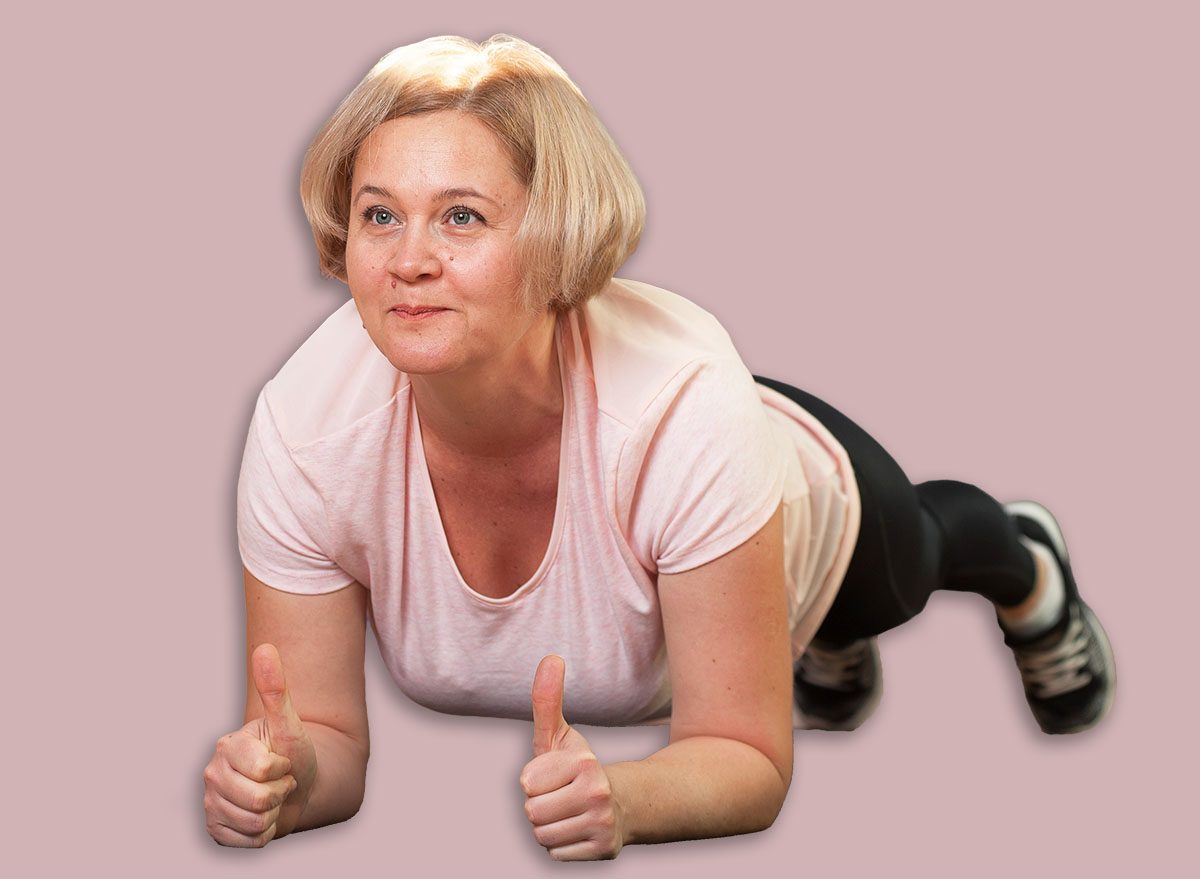

Core strength becomes increasingly important after 65 because your abdominal and back muscles help control nearly every movement you make. Getting out of bed, walking across an uneven sidewalk, lifting groceries, and recovering from a stumble all require your midsection to stabilize your body. As a trainer, I’ve found that many older adults judge their core strength by how many crunches they can perform, but endurance often matters far more than repetition count. A properly performed plank gives you a much better picture of how long your core can maintain tension while your body stays in a strong position.
The plank looks simple, but holding one requires your abdominal muscles, obliques, hips, shoulders, and lower back to work together continuously. The challenge doesn’t come from moving quickly or lifting heavy weight. Instead, your muscles must resist movement and keep your spine and pelvis properly aligned while fatigue gradually builds. That quality makes the plank an excellent functional test for adults over 65 who want to know whether their core still provides the stability needed for everyday activities.
I’ve used plank variations with clients for years because they reveal weaknesses that traditional abdominal exercises often miss. Your goal isn’t simply to survive as many seconds as possible. Your goal involves maintaining excellent technique from the first second through the last, because a shorter plank with perfect form tells me much more than a longer hold with sagging hips or a strained back. Use the benchmark below to see where your current core stability stands.
The Plank Test
Before you begin, place a mat on the floor and make sure you have enough space to extend your body comfortably. If you’ve experienced significant back, shoulder, or wrist problems, choose a modified version or get individualized guidance before testing yourself. I want every client to treat this assessment as a measure of quality, not an excuse to push through pain. Stop the clock as soon as your form breaks down.
How to Perform It
- Start in a forearm plank with your elbows directly beneath your shoulders.
- Extend both legs behind you.
- Keep your feet about hip-width apart.
- Tighten your abdominal muscles.
- Squeeze your glutes.
- Keep your head in a neutral position.
- Maintain a straight line from your shoulders through your hips to your heels.
- Breathe steadily throughout the hold.
- Stop when you can no longer maintain proper form.
What Your Time Means

Under 20 seconds: Your core endurance needs attention. Don’t view this as a failure. It simply gives you a useful starting point, and consistent practice can quickly improve your ability to maintain tension.
20–45 seconds: You’ve developed a reasonable foundation of core stability. Continue practicing regularly while focusing on better alignment and controlled breathing rather than immediately chasing longer times.
45–60 seconds: You’re demonstrating solid core endurance for someone over 65. Holding this position for a full minute with clean technique requires meaningful abdominal, hip, and shoulder stability.
60–90 seconds: Your core stability ranks very well. Maintaining excellent alignment for this long demonstrates impressive muscular endurance and control, especially when you can breathe normally throughout the test.
90+ seconds: Your core endurance is top-tier. If you can maintain a strict plank beyond 90 seconds without your hips dropping, your lower back arching, or your shoulders collapsing, you’ve developed exceptional stability for your age.
How to Improve Your Plank Time
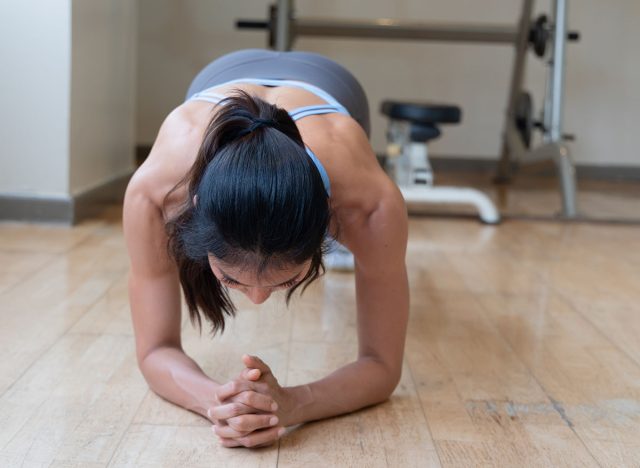
If you struggle to reach the one-minute mark, start with several shorter holds instead of attempting one exhausting effort every day. Try three 15- to 20-second planks with 30 to 45 seconds of rest between sets, then gradually add five seconds to each hold as your strength improves. You can also begin with an elevated plank against a sturdy bench or countertop before progressing to the floor. Pair your planks with dead bugs, bird dogs, glute bridges, and controlled sit-to-stands to strengthen the muscles that support your core from multiple directions.
Remember, the goal involves building a core that supports movement outside your workout. A stronger midsection should help you stand taller, walk confidently, lift safely, and maintain better balance when life throws an unexpected challenge your way. If you can hold a strict plank for a full minute after 65, you’ve earned the right to consider your core stability seriously strong.