6 Daily Exercises That Strengthen Your Midsection Faster Than Crunches After 60
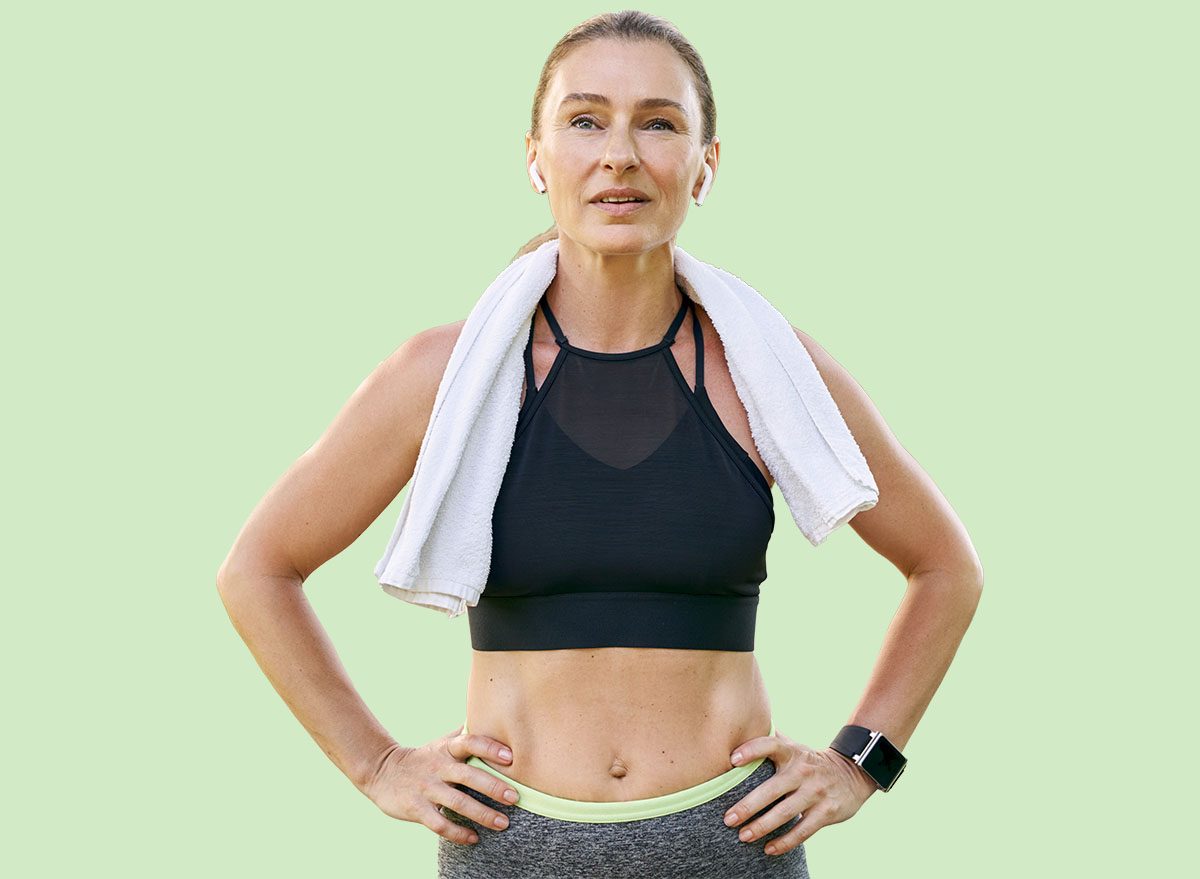
A stronger midsection after 60 can change how your whole body feels. Your back feels more supported, your posture feels easier to hold, and daily movement starts to feel less disconnected. That’s a better goal than simply doing more crunches and hoping your abs catch up.
Crunches train one small piece of core strength. Your midsection also needs to control your pelvis, resist twisting, support your spine, and stay active while your arms and legs move. That broader job is where smarter core work starts to pay off.
With clients over 60, I usually program core exercises that feel useful right away. The movement should be simple enough to learn, challenging enough to feel, and friendly enough to repeat without beating up the neck or lower back.
The exercises below start with controlled floor work, then move into carries, hands-and-knees, side-core, and anti-rotation patterns. That mix gives your midsection more to do than curl forward, and it keeps the daily practice practical.
Dead Bug
The dead bug builds midsection strength by teaching your core to stay active while your arms and legs move. That makes it especially useful after 60 because it trains control through the trunk without loading the spine heavily. It also helps strengthen the deep core muscles that support your lower back during other exercises and everyday movement.
Muscles Trained: Abs, deep core, hip flexors.
How to Do It
- Lie on your back with your knees bent and lifted over your hips.
- Reach both arms toward the ceiling.
- Brace your core and keep your lower back steady.
- Lower one arm behind you as the opposite leg extends.
- Return to the starting position.
- Switch sides and continue alternating.
Recommended Sets and Reps: Perform 2 to 3 sets of 6 to 8 reps per side.
Best Variations: Bent-knee dead bugs, heel-tap dead bugs, single-leg dead bugs.
Form Tip: Shorten the range if your lower back starts to arch.
Farmer Carry
The farmer carry strengthens your midsection by making your core hold steady while you walk with weight. That’s a useful shift from crunches because your abs have to support posture, breathing, grip, and movement at the same time. After 60, this exercise can help your trunk feel stronger during everyday tasks like carrying groceries or moving things around the house. It also brings in a practical strength challenge without making the routine complicated.
Muscles Trained: Abs, obliques, upper back, shoulders, grip, glutes.
How to Do It
- Stand tall with a dumbbell or kettlebell in each hand.
- Hold the weights at your sides.
- Brace your core and keep your shoulders relaxed.
- Walk forward with slow, controlled steps.
- Keep your torso tall as you move.
- Set the weights down safely at the end of the carry.
Recommended Sets and Reps: Perform 2 to 3 carries of 20 to 40 seconds.
Best Variations: Lighter farmer carry, suitcase carry, march-in-place farmer carry.
Form Tip: Walk tall and keep the weights from pulling you side to side.
Bird Dog
The bird dog strengthens your midsection by making your core stabilize your body while one arm and the opposite leg move. That kind of control helps with balance, posture, and smoother movement through the hips and shoulders. It’s a simple drill, but it gives your core a job that feels closer to real life than another set of crunches.
Muscles Trained: Abs, glutes, lower back, shoulders.
How to Do It
- Start on your hands and knees.
- Place your hands under your shoulders and your knees under your hips.
- Brace your core.
- Reach one arm forward and the opposite leg back.
- Pause for one second.
- Return to the starting position and switch sides.
Recommended Sets and Reps: Perform 2 to 3 sets of 6 to 8 reps per side.
Best Variations: Leg-only bird dogs, arm-only bird dogs, slower bird dogs.
Form Tip: Keep your hips level as you reach.
Knee Side Plank
The knee side plank strengthens the sides of your midsection, which often get less attention than the front of the abs. Stronger obliques help your torso feel more stable when you walk, carry, or shift your weight. The knee-supported version keeps the exercise approachable after 60 while still giving the side core enough work to build strength.
Muscles Trained: Obliques, abs, shoulders, glutes.
How to Do It
- Lie on one side with your knees bent.
- Place your forearm on the floor under your shoulder.
- Stack your knees and keep your body in a straight line from shoulders to knees.
- Brace your core.
- Lift your hips off the floor.
- Hold, then lower with control and switch sides.
Recommended Sets and Reps: Perform 2 to 3 holds of 15 to 25 seconds per side.
Best Variations: Shorter side plank holds, side plank from an elevated surface, full side plank.
Form Tip: Keep your hips lifted so your body doesn’t sag toward the floor.
Bear Hold
The bear hold gives your midsection a stronger full-body challenge. Your core has to support your trunk while your hands and feet stay planted, which makes the exercise useful for building strength through the abs and shoulders together. It also brings a little more intensity into the routine without needing impact or equipment.
Muscles Trained: Abs, shoulders, hip flexors, quads.
How to Do It
- Start on your hands and knees.
- Place your hands under your shoulders and your knees under your hips.
- Tuck your toes.
- Brace your core.
- Lift your knees a few inches off the floor.
- Hold while breathing steadily.
Recommended Sets and Reps: Perform 2 to 3 holds of 10 to 20 seconds.
Best Variations: Elevated bear hold, bear hold with toe taps, bear hold with shoulder taps.
Form Tip: Keep your knees close to the floor so the hold stays controlled.
RELATED: 5 Wall Exercises That Firm Upper Body Faster Than Push-Ups After 55
Band Pallof Press
The band Pallof press strengthens your midsection by teaching your core to resist rotation. That’s one of the most useful jobs your abs and obliques perform during daily movement, especially when you’re carrying, reaching, or shifting weight from one side to the other. After 60, this exercise gives you a safe, controlled way to build trunk strength in a standing position. It also adds variety to the routine without making the workout feel complicated.
Muscles Trained: Abs, obliques, deep core, shoulders, glutes.
How to Do It
- Anchor a resistance band at chest height.
- Stand sideways to the anchor point and hold the band with both hands at your chest.
- Step away until the band has light tension.
- Stand tall with your feet about shoulder-width apart.
- Press your hands straight out in front of your chest.
- Bring your hands back in and repeat before switching sides.
Recommended Sets and Reps: Perform 2 to 3 sets of 8 to 12 reps per side.
Best Variations: Half-kneeling Pallof press, seated Pallof press, Pallof press hold.
Form Tip: Keep your torso facing forward as the band tries to pull you toward the anchor.
Best Tips for Building a Stronger Midsection After 60
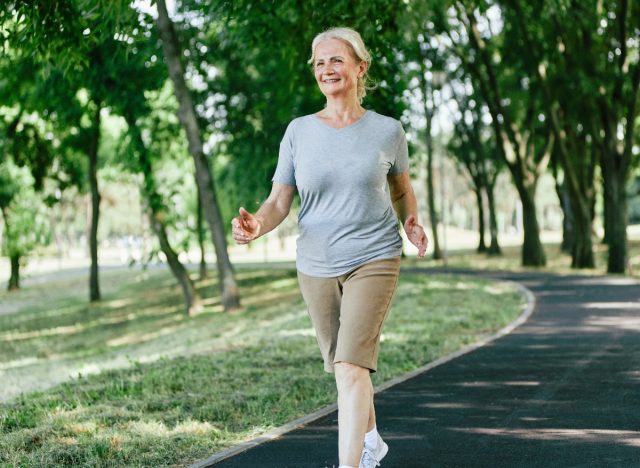
A stronger midsection comes from steady practice, smart exercise choices, and habits that help your body feel good enough to keep moving. You don’t need a long core workout every day. A short session with controlled reps can make a real difference when you repeat it throughout the week. Focus on exercises that help your abs support your spine, control your hips, and stay active during movement. That’s the kind of core strength that carries into the rest of your day.
- Keep the routine short: Ten focused minutes is easier to repeat than a long workout that feels like a project.
- Practice most days: Daily core work can stay light and controlled while still building strength.
- Use the floor exercises first: Dead bugs and heel taps help you find your brace before the harder positions.
- Train your core against movement: Carries and Pallof presses teach your midsection to stay strong while the rest of your body works.
- Pair core work with walking: Daily walking supports posture, circulation, and overall fitness after 60.
- Support muscle with protein: A protein-forward meal helps your body repair and maintain lean muscle as you train.
A stronger midsection after 60 doesn’t require endless crunches. Give your core a few different jobs each day, keep the reps clean, and let the strength build through consistency.
References
- Zhong, Yuanji et al. “Effects of core training on balance performance in older adults: a systematic review and meta-analysis.” Frontiers in public health vol. 13 1661460. 9 Oct. 2025, doi:10.3389/fpubh.2025.1661460
- Juan-Recio, C et al. “Short-term effect of crunch exercise frequency on abdominal muscle endurance.” The Journal of sports medicine and physical fitness vol. 55,4 (2015): 280-9.
- Oliva-Lozano, José M, and José M Muyor. “Core Muscle Activity During Physical Fitness Exercises: A Systematic Review.” International journal of environmental research and public health vol. 17,12 4306. 16 Jun. 2020, doi:10.3390/ijerph17124306