If You Can Do This Many Pushups After 60, Your Upper Body Strength Is Elite
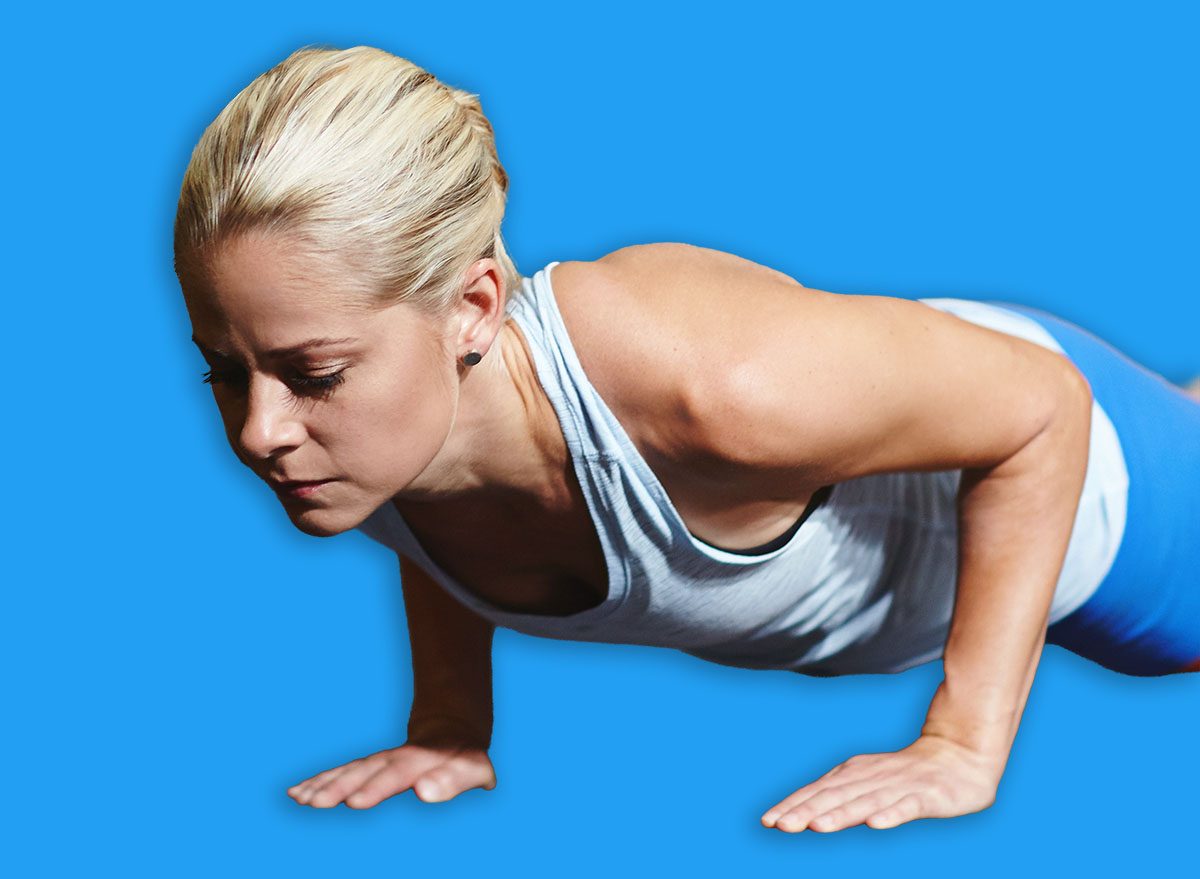

Pushups give you a fast read on upper body strength because they ask your body to handle its own weight. Set your hands, brace your midsection, lower with control, and press back up. After 60, the number of clean reps you can complete says a lot about your strength, endurance, and ability to move with confidence.
The benefits go well beyond your chest and arms. Pushups train the shoulders, triceps, upper back, core, and hips to stay connected through each rep. That combination helps with real-life strength, including pushing yourself up from the floor, bracing during a stumble, carrying groceries, moving furniture, or handling everyday tasks without second-guessing your body.
In coaching sessions, pushups often tell me more than people expect. I watch the setup, the lowering phase, the press, and whether the body line stays steady as reps build. A few smooth reps show strength. A longer set with clean form shows endurance and control. That’s where pushups become a useful benchmark after 60.
This test also speaks to independence. Being able to control your bodyweight helps you stay capable in the moments that matter: getting off the ground, supporting yourself with your hands, and keeping your upper body strong enough for daily movement. Below, we’ll break down why pushups work so well, how to perform them correctly, what your rep count means, and how to build more strength over time.
Why Pushups Are a Strong Test of Upper Body Strength After 60

Pushups combine pressing strength with full-body control. Your chest, shoulders, and triceps drive the press, while your core and glutes keep your body steady. Each rep asks your upper body to produce force and your trunk to hold position at the same time, making the pushup a practical test for strength you can use.
They also build upper body endurance. One clean pushup tells you that you can press your body away from the floor. Repeating that effort for multiple reps shows how long your muscles can keep working while your form stays sharp. After 60, that staying power helps with daily tasks that require repeated effort, like carrying bags, pushing doors open, gardening, or moving around the house with confidence.
Pushups also support shoulder stability when you perform them well. Your hands stay planted, your shoulder blades move with control, and your torso stays firm from the first rep to the last. That control can help your upper body feel stronger during workouts and everyday movement. A strong pushup set shows strength, coordination, and endurance working together.
How to Perform Pushups With Strong Form
A good pushup starts with a strong setup. Your hands should feel planted, your body should form a straight line, and your core should stay active before you lower. Once the set begins, focus on steady reps instead of rushing the count. Clean movement gives you a better test and builds better strength.
How to Do It:
- Place your hands on the floor slightly wider than shoulder-width apart.
- Extend your legs behind you and form a straight line from your head to your heels.
- Brace your core and squeeze your glutes before lowering.
- Bend your elbows and lower your chest toward the floor with control.
- Press through your hands to return to the starting position.
- Repeat each rep at a steady pace until your form changes.
Movement Standard: A pushup counts when your elbows reach at least 90 degrees, and your body stays in a straight line. Use an incline, countertop, bench, or wall variation if you’re building toward that depth.
Best Variations: Incline Pushup, Wall Pushup, Tempo Pushup, Close-Grip Pushup, Pause Pushup.
Pushup Test After 60: What Your Rep Count Means

Your score should come from reps that look the same from start to finish. Keep your body line steady, reach the movement standard, and press with control. A clean lower number gives you better information than a higher number with shortened reps.
- Under 5 reps: Building Your Base
This is a useful starting point. Focus on finding the right variation, keeping your body aligned, and practicing reps that feel controlled. Wall pushups and incline pushups can help you build strength while keeping the pattern consistent.
- 5 to 12 reps: A Solid Foundation
This range shows your upper body can handle repeated effort with control. Your chest, shoulders, triceps, and core are working together well enough to support daily movement and build toward longer sets.
- 13 to 24 reps: Strong Upper Body Endurance
You’re in strong territory here. Your pressing muscles can keep producing force, and your core can hold position as fatigue builds. This range usually reflects solid strength for floor transitions, carrying tasks, and regular workouts.
- 25+ reps: Elite After 60
Completing 25 or more clean pushups shows excellent upper body strength and endurance. Your bodyweight strength, shoulder control, and core stability all hold together across a longer set, which puts you in an elite range after 60.
How to Build More Pushup Strength After 60

Improving your pushup count comes from better reps, consistent practice, and smart strength work around the movement. Start with the version that lets you reach the movement standard, then build from there. Incline pushups count when they’re done well, and they can be one of the best tools for building toward the floor. Over time, stronger pressing muscles, better core tension, and smoother breathing help your rep count climb. The goal is steady progress without letting form turn sloppy.
- Choose the right level: Use wall, countertop, bench, or floor pushups based on where you can keep clean form.
- Practice two to three times per week: A few focused sets build strength and familiarity without overwhelming recovery.
- Use incline pushups for volume: Elevating your hands lets you complete more clean reps while training the same pattern.
- Add slow lowering reps: Take three seconds to lower, then press back up. This builds control and strength through the range.
- Train your upper back: Rows, pulldowns, and band pull-aparts help your shoulders stay supported during pushups.
- Strengthen your triceps and shoulders: Dumbbell presses, cable presses, and close-grip pushup variations support a stronger press.
- Keep your core involved: Planks, dead bugs, and carries help your body stay firm during longer sets.
- Retest every few weeks: Use the same variation and movement standard so your progress stays easy to track.
A strong pushup set after 60 says your upper body can press, stabilize, and repeat effort with control. If you can complete 25 or more clean reps, your strength sits in an elite range. More importantly, you’ve built bodyweight strength that supports independence, confidence, and everyday movement.
References
- Yang, Justin et al. “Association Between Push-up Exercise Capacity and Future Cardiovascular Events Among Active Adult Men.” JAMA network open vol. 2,2 e188341. 1 Feb. 2019, doi:10.1001/jamanetworkopen.2018.8341
- Keller, Karsten, and Martin Engelhardt. “Strength and muscle mass loss with aging process. Age and strength loss.” Muscles, ligaments and tendons journal vol. 3,4 346-50. 24 Feb. 2014