5 Standing Exercises That Shrink Lower Belly After 50, According to a Coach
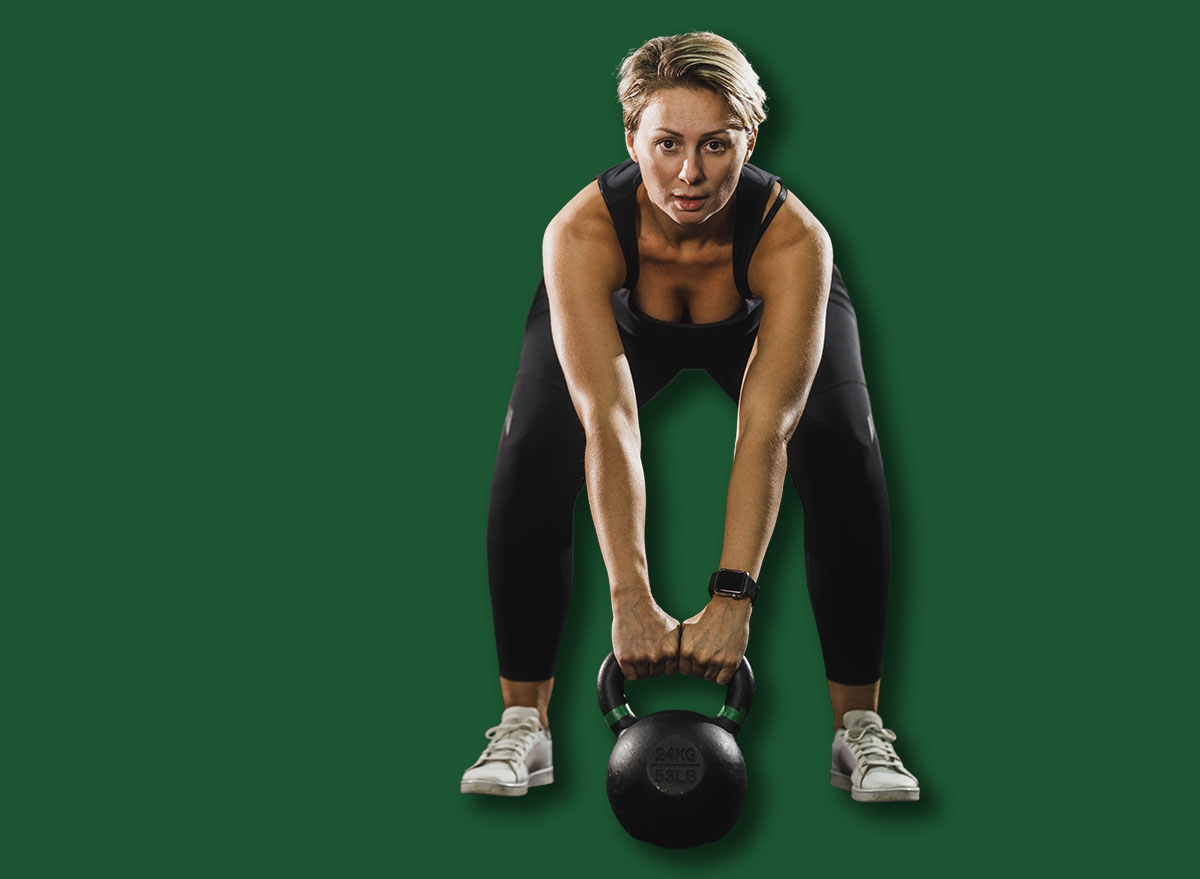

Lower belly fat can be stubborn after 50, no matter how consistent your workouts are. Many people default to longer treadmill sessions, assuming more miles will eventually solve the problem. Cardio plays a role, but fat loss rarely comes down to a single tool or movement pattern.
Spot reduction still sits under heavy scrutiny, and for good reason. Fat loss happens across the body, not on command from a single exercise. Weight loss still comes down to taking in fewer calories than you burn, and dialing in your diet makes that process far more efficient. Clean, consistent eating supports energy levels and keeps progress moving when motivation dips.
Exercise earns its place by increasing the amount of work your body can handle. Standing exercises recruit more muscle at once, especially through the hips, legs, and core. When larger muscle groups stay active, calorie burn climbs during the workout and stays elevated afterward. That added demand matters more as metabolism naturally slows with age.
Standing movements also tend to feel more dynamic and demanding. You brace harder, breathe faster, and move with intent. That higher intensity makes workouts more engaging and more effective in less time. The exercises below lean into those benefits and help create the conditions that support long-term lower belly fat loss.
Dumbbell Thrusters
Dumbbell thrusters combine a squat and overhead press into one continuous motion. Your legs generate force, your core transfers it, and your upper body finishes the job. That full-body demand drives heart rate up fast and keeps it there. Over time, this kind of training improves work capacity and total calorie expenditure. It also teaches your core to brace under load, which matters for posture and daily movement after 50.
Muscles Trained: Quadriceps, glutes, shoulders, core, triceps.
How to Do It:
- Hold a dumbbell in each hand at shoulder height.
- Stand with your feet about shoulder-width apart.
- Sit into a squat while keeping your chest tall.
- Drive through your heels to stand up fast.
- Press the dumbbells overhead as you reach full hip extension.
- Lower the weights back to shoulder height under control.
Recommended Sets and Reps: Perform 3 to 4 sets of 8 to 12 reps. Rest for 60 seconds between each set.
Best Variations: Goblet thruster, single arm dumbbell thruster, tempo thruster.
Form Tip: Brace your core before each rep by pulling your ribs down to your pant line.
Kettlebell Swings
Kettlebell swings train explosive hip extension, which drives power and calorie burn. The movement pattern mirrors many daily tasks, such as lifting and carrying. Swings elevate your heart rate quickly while reinforcing strong glute engagement. That combination supports fat loss without excessive joint stress. They also build rhythm and breathing efficiency, which helps workouts feel smoother.
Muscles Trained: Glutes, hamstrings, core, lats.
How to Do It:
- Set a kettlebell on the floor between your feet.
- Hinge at your hips and grab the handle with both hands.
- Hike the bell back between your legs.
- Drive your hips forward forcefully to swing the bell to chest height.
- Let the bell fall back naturally as you hinge again.
- Maintain a neutral spine throughout the set.
Recommended Sets and Reps: Perform 4 sets of 15 to 20 reps. Rest for 45 to 60 seconds between each set.
Best Variations: Single arm swing, dead stop swing, banded swing.
Form Tip: Snap your hips forward and let your arms act like hooks.
Med Ball Front Slams
Front slams turn stress into productive power. You generate force from the ground, brace your core, and release energy downward. That explosive effort spikes heart rate and dynamically engages the abs. Slams also encourage full-body coordination, which tends to decline with age if it’s not trained. They’re efficient and surprisingly satisfying.
Muscles Trained: Core, shoulders, lats, glutes.
How to Do It:
- Stand tall while holding a medicine ball at chest height.
- Raise the ball overhead while bracing your core.
- Drive the ball straight down into the floor with force.
- Hinge slightly as the ball hits the ground.
- Catch or pick up the ball quickly.
- Reset your posture before the next rep.
Recommended Sets and Reps: Perform 3 to 5 sets of 10 to 15 reps. Rest for 45 seconds between each set.
Best Variations: Overhead slam, rotational slam, alternating stance slam.
Form Tip: Exhale hard as the ball hits the floor to reinforce core engagement.
Sled Pushes
Sled pushes load the legs and lungs without pounding the joints. You drive forward with constant tension, keeping the core engaged the entire time. This movement builds strength and conditioning simultaneously, making it ideal for fat-loss goals after 50. The effort feels demanding but controlled. It’s one of the most effective tools for total body work.
Muscles Trained: Quadriceps, glutes, calves, core.
How to Do It:
- Load a sled with a moderate weight.
- Grip the handles with your arms extended.
- Lean slightly forward with a neutral spine.
- Drive through your legs to push the sled forward.
- Take short, powerful steps.
- Maintain steady breathing as you move.
Recommended Sets and Reps: Perform 6 to 8 pushes of 20 to 30 yards. Rest for 60 seconds between each effort.
Best Variations: Low handle push, backward sled drag, heavy sled march.
Form Tip: Think about pushing the ground away with each step.
Jumping Jacks
Jumping jacks look simple, but they deliver serious conditioning benefits when done with intent. They elevate heart rate quickly and encourage full-body movement. This exercise also challenges coordination and rhythm, which helps keep workouts engaging. When programmed well, jacks support calorie burn without equipment. They’re easy to scale and easy to repeat.
Muscles Trained:
Calves, shoulders, hips, core.
How to Do It:
- Stand tall with your feet together and arms at your sides.
- Jump your feet out to the sides as your arms raise overhead.
- Land softly with bent knees.
- Jump your feet back together while lowering your arms.
- Keep your torso upright throughout.
- Maintain a steady pace.
Recommended Sets and Reps: Perform 4 to 6 sets of 30 to 45 seconds. Rest for 30 seconds between each set.
Best Variations: Seal jacks, cross jacks, squat jacks
Form Tip: Land quietly to protect your joints and keep tension controlled.
The Best Fat Loss Tips to Support Results After 50
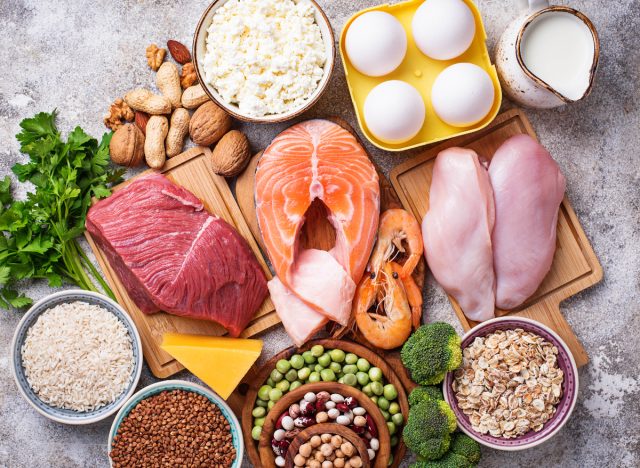
Standing exercises work best when the rest of your habits line up with them. Training sets the stage, but consistency outside the gym determines progress. Small adjustments stack up faster than extreme changes.
- Protein intake: Prioritize protein at each meal to support muscle and appetite control.
- Daily movement: Walk more outside your workouts to increase calorie burn without added stress.
- Sleep quality: Aim for consistent sleep, as recovery influences fat-loss hormones.
- Workout structure: Use circuits or intervals to maintain high intensity without extending the workout.
- Progress tracking: Monitor energy levels and waist measurements, not just scale weight.
When these habits support your training, standing exercises become far more effective at helping shrink lower belly fat over time.
References
- Brobakken, Mathias Forsberg et al. “Abdominal aerobic endurance exercise reveals spot reduction exists: A randomized controlled trial.” Physiological reports vol. 11,22 (2023): e15853. doi:10.14814/phy2.15853
- Saeidifard, Farzane et al. “The Effect of Replacing Sitting With Standing on Cardiovascular Risk Factors: A Systematic Review and Meta-analysis.” Mayo Clinic proceedings. Innovations, quality & outcomes vol. 4,6 611-626. 1 Dec. 2020, doi:10.1016/j.mayocpiqo.2020.07.017