4 Standing Exercises That Rebuild Leg Muscle Better Than Lunges After 60
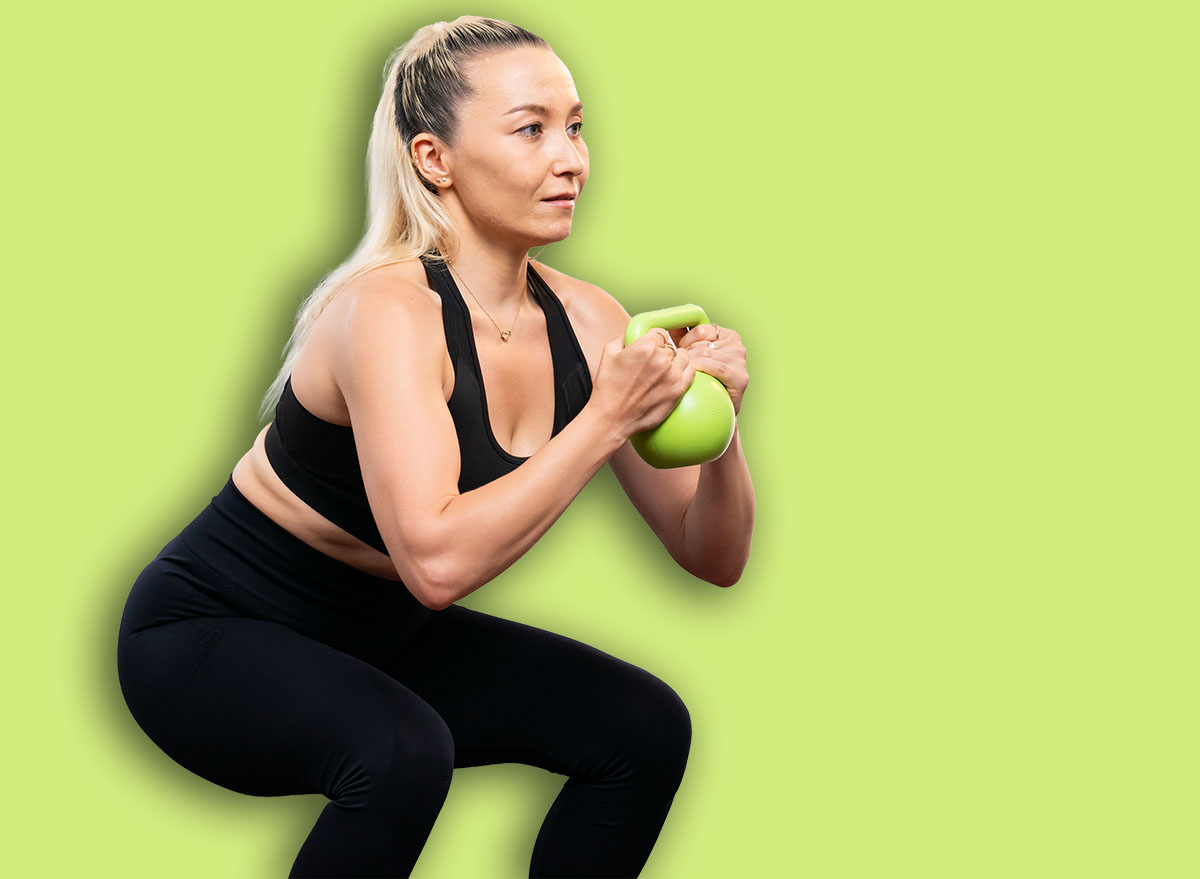
Lunges often get pitched as the go-to lower-body exercise for building leg strength later in life. They work, but they also demand balance, coordination, and joint tolerance simultaneously. After 60, those demands can limit how much quality work you actually get through your legs. When stability becomes the bottleneck, muscle rebuilding slows down.
Rebuilding leg muscle still follows the same rules it always has. Muscles grow when they experience enough tension, through a useful range of motion, for the right number of reps. Exercises that let you stay stable, control depth, and apply consistent load usually outperform movements that feel shaky or rushed. Standing exercises that emphasize control let you focus on the muscles doing the work rather than fighting to stay upright.
The four movements below prioritize tension, positioning, and repeatable reps. They keep you standing, load the legs effectively, and reduce unnecessary stress on the knees and hips. Each one gives you a more reliable path to rebuilding leg strength than lunges alone. And after a few consistent weeks, they can be the bridge to crushing lunges as you age!
Goblet Hold Split Squats
Goblet hold split squats deliver the benefits of unilateral training without the balance demands of traditional lunges. Holding a weight close to your chest keeps your torso upright and your center of mass stable. That positioning allows the front leg to take on more load through the quads and glutes. You also gain better control over depth, which improves muscle tension and joint comfort. This setup makes it easier to accumulate quality reps.
Muscles Trained:
Quadriceps, glutes, hamstrings, core.
How to Do It:
- Hold a dumbbell or kettlebell at chest height.
- Take a staggered stance with one foot forward.
- Lower straight down by bending your front knee.
- Keep your torso tall and your back heel lifted.
- Drive through your front foot to stand back up.
Recommended Sets and Reps: Perform 3 to 4 sets of 8 to 10 reps per side. Rest for 60 seconds between each set.
Best Variations: Rear foot elevated split squat, tempo split squat, supported split squat.
Form Tip: Let your front knee travel naturally over your toes as you descend.
Dumbbell Step-Ups
Step-ups rebuild leg strength through a movement pattern you use every day. They load the working leg heavily without forcing deep knee flexion under speed. The elevated surface increases time under tension, especially through the glutes and quads. Step-ups also reinforce single-leg strength while allowing you to control pace and height. That control makes progress predictable and joint-friendly.
Muscles Trained:
Quadriceps, glutes, hamstrings, calves.
How to Do It:
- Stand facing a box or bench.
- Hold dumbbells at your sides.
- Place one foot fully on the box.
- Push through that foot to stand tall on top.
- Step down under control and switch sides.
Recommended Sets and Reps: Perform 3 sets of 8 to 12 reps per side. Rest for 60 seconds between each set.
Best Variations: Low box step-ups, tempo step-ups, suitcase-loaded step-ups.
Form Tip: Push through the front foot to stand tall, not stand forward. Also, start with a lower box. As you build strength and confidence, you may increase the box height.
Goblet Squats
Goblet squats make lower body strength more accessible and more effective after 60. The front-loaded position helps maintain an upright torso and encourages better depth. That posture shifts stress from the lower back to the legs. Goblet squats also allow lighter loads to feel challenging due to the longer time under tension. They’re simple, repeatable, and easy to progress.
Muscles Trained: Quadriceps, glutes, hamstrings, core.
How to Do It:
- Hold a weight close to your chest.
- Stand with your feet just outside shoulder width.
- Sit your hips down and back.
- Lower until your thighs reach a comfortable depth.
- Drive through your feet to stand tall.
Recommended Sets and Reps: Perform 3 to 4 sets of 10 to 15 reps. Rest for 60 seconds between each set.
Best Variations: Box goblet squats, pause goblet squats, heel elevated goblet squats.
Form Tip: Squeeze the weight with your hands and elbows. This creates a more secure goblet hold.
Kettlebell Deadlift
Kettlebell deadlifts rebuild strength through the hips while protecting the knees. The higher handle position reduces strain on the lower back and makes setup more forgiving. This exercise trains the posterior chain, which supports better walking, lifting, and posture. It also allows you to load the movement without excessive fatigue. Consistent reps here build durable leg strength over time.
Muscles Trained: Glutes, hamstrings, quadriceps, core.
How to Do It:
- Stand with a kettlebell between your feet.
- Push your hips back while keeping your spine neutral.
- Grip the handle firmly.
- Drive through your feet to stand tall.
- Lower the kettlebell back to the floor with control.
Recommended Sets and Reps: Perform 3 to 4 sets of 8 to 12 reps. Rest for 75 seconds between each set.
Best Variations: Sumo kettlebell deadlift, double kettlebell deadlift, tempo deadlift.
Form Tip: Push your chest up to stand tall.
The Best Habits for Rebuilding Leg Muscle After 60
Rebuilding leg muscle after 60 works best when training and daily habits work together. Strength gains don’t come from one perfect workout, but from stacking quality reps week after week. The exercises in this article provide the stimulus, but your recovery, nutrition, and consistency determine how well your body responds. Small decisions made daily have a greater impact than occasional bursts of effort. When these habits stay in place, leg strength becomes easier to maintain and improve.
- Training frequency: Aim to train legs two to four times per week using moderate volume so recovery stays manageable.
- Repetition quality: Move with control and intention on every rep to keep tension on the working muscles.
- Load selection: Choose weights that challenge you while still allowing you to maintain clean form throughout every set.
- Protein intake: Prioritize protein at each meal to support muscle repair and preservation.
- Warm-up habits: Use light mobility and activation work to prepare joints before loading them.
- Progress tracking: Focus on better reps, improved depth, or added stability before increasing weight.
When these fundamentals remain consistent, rebuilding leg muscle after 60 becomes a steady, repeatable process rather than a guessing game.
References
- Marsh, Anthony P et al. “Lower extremity muscle function after strength or power training in older adults.” Journal of aging and physical activity vol. 17,4 (2009): 416-43. doi:10.1123/japa.17.4.416