If You Can Hold a Wall Sit This Long After 50, Your Lower-Body Power Is Stronger Than 90% of Peers
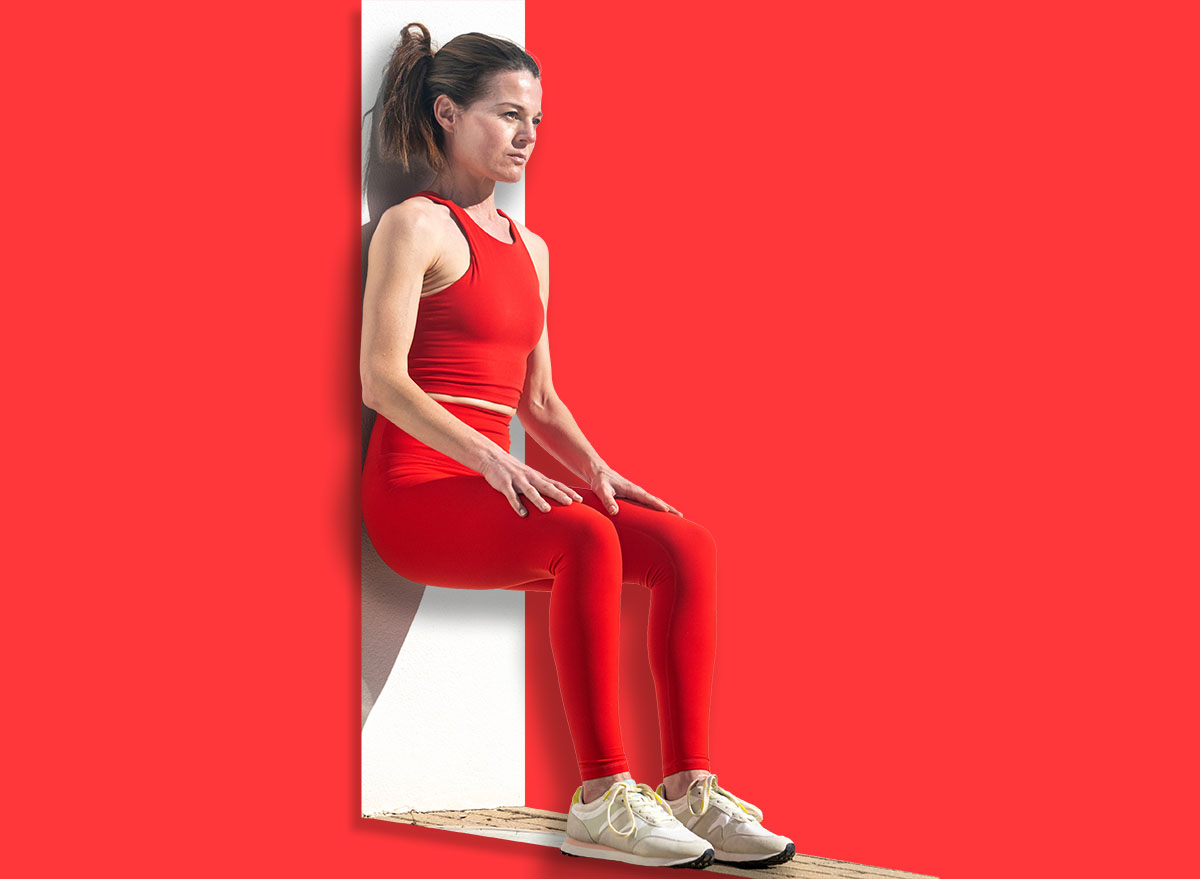

Lower-body strength becomes one of the clearest indicators of healthy aging after 50. Strong legs support balance, posture, walking speed, stair climbing, and overall independence during daily life. When the lower body weakens, even simple movements start demanding more effort, and the knees, hips, and lower back absorb extra stress during every step. Many adults focus heavily on cardio or upper-body workouts while neglecting the muscular endurance required to keep the lower body strong and stable.
The wall sit stands out as one of the best tests for measuring real lower-body endurance and mental toughness. Unlike fast repetitions that rely on momentum, this exercise forces the quads, glutes, calves, and core to maintain continuous muscular tension under fatigue. That sustained effort reflects how well the legs stabilize the body during long periods of standing, walking, or climbing stairs. Strong wall-sit performance also demonstrates excellent muscular endurance through the hips and thighs, which plays a massive role in healthy movement after 50.
Most adults underestimate how difficult a proper wall sit becomes once fatigue builds. The burning sensation arrives quickly, especially when the legs lose conditioning or stability. If you can hit the higher benchmarks below with strong form, your lower-body endurance and muscular control place you well above average for your age group.
How to Do the Wall Sit Properly
The wall sit looks simple, but strong form determines whether the exercise actually measures real lower-body strength. Many people slide too high against the wall or place too much weight through their hands once fatigue appears. Proper positioning forces the quads and glutes to carry the load while the core stabilizes the torso throughout the hold. Adults over 50 benefit most from maintaining excellent posture and steady breathing rather than chasing sloppy hold times. The longer you keep the thighs engaged at parallel depth, the more meaningful the test becomes.
How to Do It
- Stand with your back against a wall
- Slide downward until your thighs reach parallel to the floor
- Keep your knees stacked above your ankles
- Press your lower back gently into the wall
- Tighten your core and glutes
- Keep your chest lifted
- Avoid pushing on your legs with your hands
- Hold the position as long as possible with proper form
What Your Results Mean
Under 20 Seconds
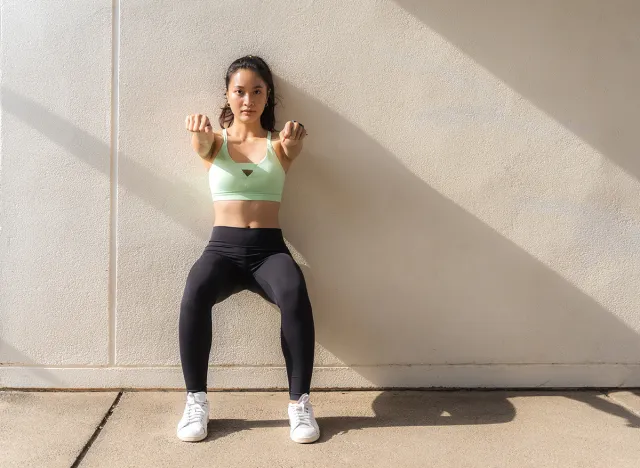
This range suggests weak lower-body endurance and limited muscular stamina through the quads and glutes. Many adults in this category experience leg fatigue quickly during walking, stair climbing, or prolonged standing. The muscles surrounding the knees and hips likely struggle to maintain tension under load. Building lower-body endurance should become a major focus because stronger legs support better balance and safer movement during daily life.
20 to 45 Seconds
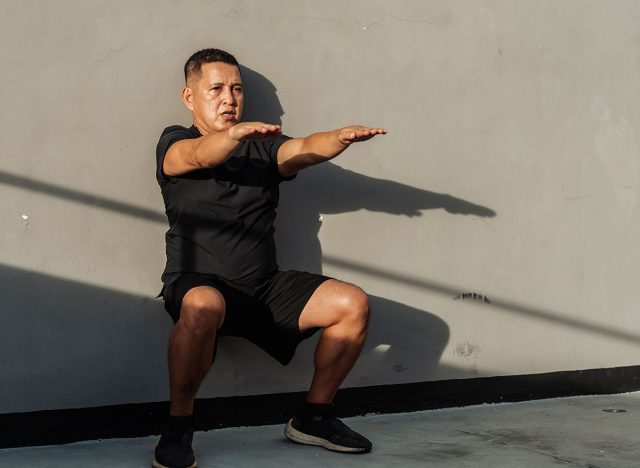
This range reflects decent foundational leg strength but still leaves plenty of room for improvement. The lower body handles moderate tension, though muscular fatigue likely builds quickly during longer activity. Adults in this category usually manage daily movement well but may notice reduced stamina during extended walks or physically demanding tasks. Consistent training often produces rapid improvements from this level.
45 to 75 Seconds
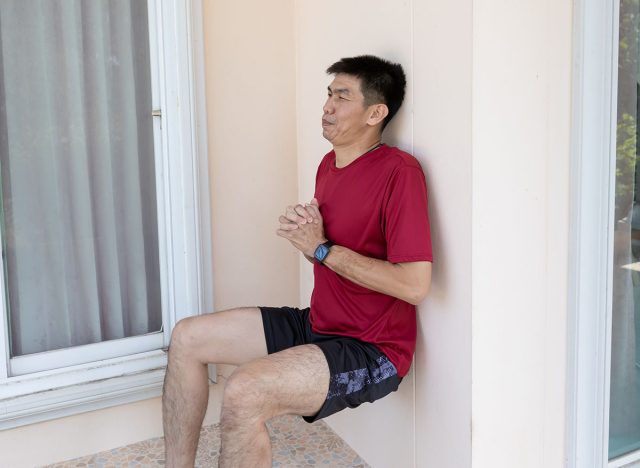
This range places you above average for most adults over 50. Your quads, glutes, calves, and core maintain strong muscular engagement while resisting fatigue effectively. People who reach this level often move with better stability and stronger walking endurance than many peers in the same age group. This performance also reflects strong mental focus and muscular control under sustained tension.
Over 75 Seconds
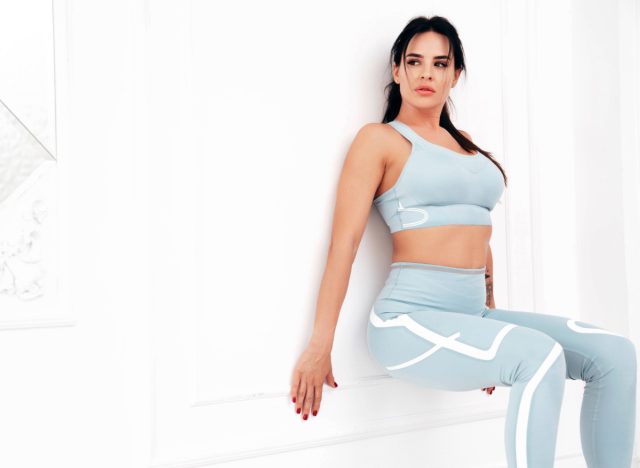
This level signals elite lower-body endurance after 50. Holding a deep wall sit this long demonstrates exceptional muscular stamina, joint stability, and total-body control. Adults who achieve this benchmark often display stronger posture, smoother movement mechanics, and greater resilience during daily activity compared to most people their age. Reaching this level places your lower-body endurance above roughly 90% of peers over 50.
How to Improve Your Results
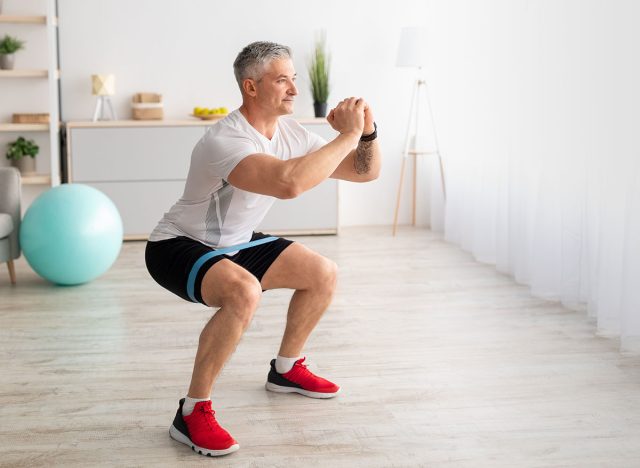
Improving wall-sit performance depends heavily on building muscular endurance gradually instead of forcing maximum holds too often. Short controlled sets performed consistently train the legs to tolerate tension without excessive joint stress. Focus on keeping the thighs parallel, the core engaged, and the breathing steady throughout every hold. Better posture and consistent tension produce far greater improvements than chasing longer times with poor positioning.
Exercises like sit-to-stand squats, calf raises, glute bridges, and chair marches strengthen the exact muscles responsible for stronger wall-sit performance. Walking regularly and practicing controlled stair climbing also improve lower-body endurance significantly over time. Many adults notice dramatic progress once the glutes and core start contributing more effectively during stabilization. Strong hips reduce stress on the knees and help maintain better posture during long holds.
Retest your wall sit every few weeks to track progress without overtraining the legs. Small improvements in hold time often translate into noticeable gains in walking endurance, balance, and lower-body confidence during everyday movement. Consistent practice and strong form remain the biggest keys to building elite lower-body power after 50.