5 Standing Exercises That Shrink Belly Pooch Faster Than Gym Classes After 60
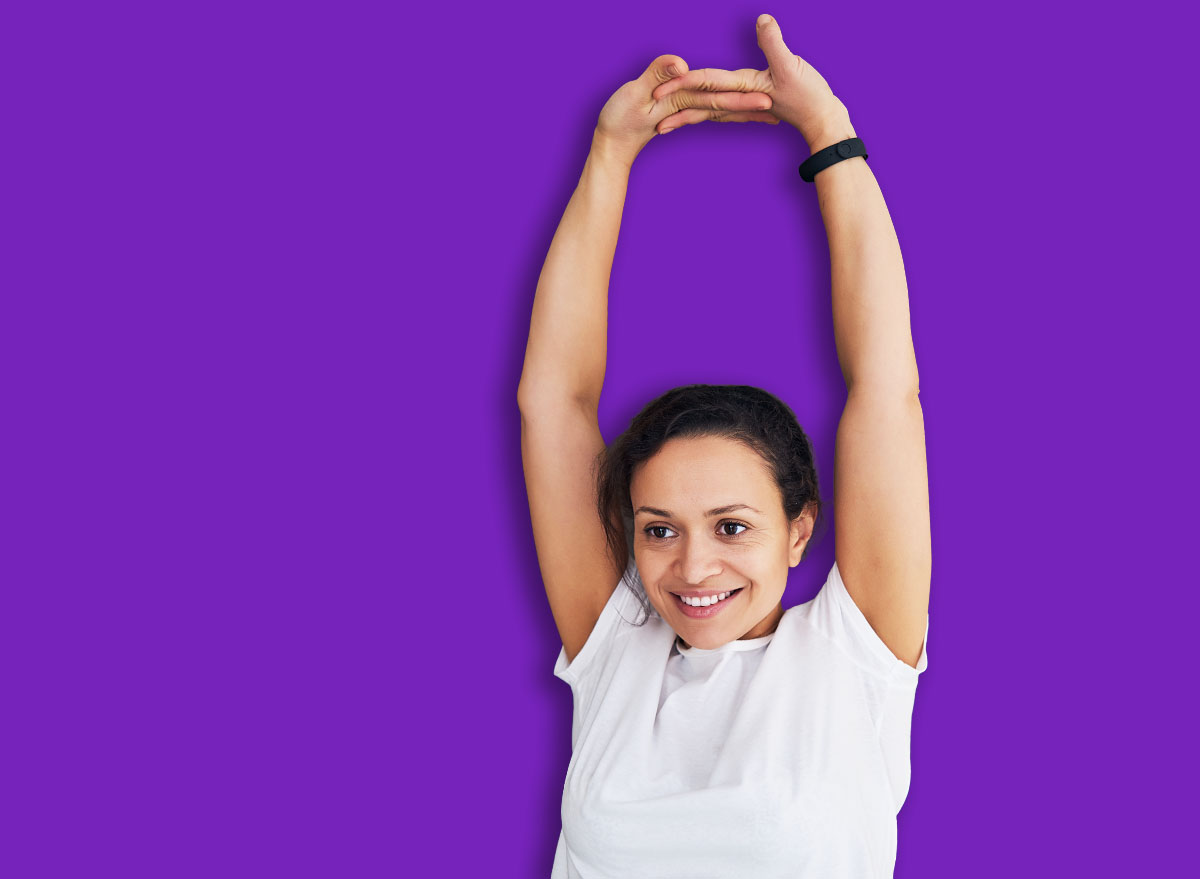

Lower belly fat and abdominal softness become increasingly stubborn after 60. Hormonal changes, reduced muscle mass, slower recovery, and long hours of sitting all contribute to a weaker core and thicker waistline over time. Many adults join crowded gym classes hoping to flatten their stomachs, but fast-paced routines often prioritize sweat and exhaustion over controlled muscular engagement. Real midsection change comes from movements that strengthen the core consistently while improving posture, balance, and total-body activity.
Standing exercises work especially well because they force the abdominal muscles to stabilize the body during movement instead of isolating the core in seated or lying positions. That upright training style activates the abs, hips, glutes, and lower back together while increasing calorie demand naturally. Many adults over 60 also find standing workouts easier on the neck, wrists, and lower back compared to floor-based routines or aggressive gym circuits. Better consistency leads to stronger abdominal muscles and improved movement quality throughout the day.
The five exercises below strengthen the entire core while helping tighten the waistline and improve daily movement. Each movement combines balance, coordination, and muscular control to challenge the stomach area without harsh impact or complicated equipment. Perform them consistently, and your midsection will start feeling firmer, stronger, and more supported during everyday life.
Standing Knee-to-Elbow Crunches
Standing knee-to-elbow crunches challenge the entire core while improving balance and coordination at the same time. Many adults lose abdominal strength because traditional crunches place too much strain on the neck and lower back, leading to inconsistent training. This exercise keeps the body upright while forcing the abs and obliques to contract powerfully during every repetition. The crossing movement also activates the hips and stabilizing muscles that support better posture and walking mechanics. Adults over 60 often notice stronger core engagement and easier movement during daily activity after practicing this drill consistently. Controlled repetition creates far more meaningful abdominal activation than rushed gym-class movements performed without focus.
How to Do It
- Stand tall with feet shoulder-width apart
- Place your hands lightly behind your head
- Lift one knee toward your chest
- Rotate the opposite elbow toward the knee
- Squeeze your abdominal muscles
- Return to the starting position slowly
- Alternate sides continuously
- Perform 20 total repetitions.
Standing March with Core Hold
This movement strengthens the deep abdominal muscles while improving posture and balance during upright movement. Many adults over 60 lose lower-core stability because the abs stop activating consistently during walking and standing tasks. The marching action forces the core to brace continuously while the body balances on one leg at a time. That constant stabilization strengthens the midsection far more naturally than many seated gym exercises. The slow, controlled pace also improves coordination and hip strength while increasing cardiovascular demand gently. Performed daily, standing marches help tighten the waistline while improving movement confidence and stamina.
How to Do It
- Stand tall with your chest lifted
- Tighten your core gently
- Lift one knee toward hip height
- Pause briefly while balancing
- Lower slowly with control
- Alternate sides continuously
- Avoid leaning backward
- Perform 20 total marches.
Side-to-Side Reach Pulls
Side-to-side reach pulls strengthen the obliques and waistline while improving spinal mobility and upper-body coordination. Many gym classes focus heavily on fast repetitive motion without emphasizing controlled rotational strength. This exercise restores that missing control while forcing the core muscles to stabilize during twisting movement. The reaching action lengthens the torso while the pulling motion contracts the side abdominal muscles powerfully. Adults over 60 often feel looser through the waist and stronger through the trunk after adding rotational standing exercises consistently. The movement also improves posture by encouraging the chest to stay tall during every repetition.
How to Do It
- Stand with feet slightly wider than shoulder-width
- Reach one arm overhead and across your body
- Pull the elbow downward toward your side
- Rotate your torso slightly during the pull
- Return slowly to the starting position
- Alternate directions continuously
- Keep your core engaged throughout
- Complete 10 to 12 repetitions per side.
Standing Heel Taps
Standing heel taps strengthen the lower abdominals while improving coordination and lower-body endurance. Many adults struggle with a belly pooch because the deep core muscles weaken and the pelvis loses stability during movement. This exercise forces the core to stabilize continuously while the legs move rhythmically in front of the body. The tapping motion also keeps the heart rate elevated gently, which supports calorie burn without harsh impact on the joints. Adults over 60 often notice improved posture and smoother walking mechanics after adding standing core drills consistently. Slow controlled taps create stronger abdominal engagement than rushed repetitions.
How to Do It
- Stand tall with your hands at your sides
- Tighten your abdominal muscles
- Extend one leg forward slightly
- Tap your heel lightly on the floor
- Return to the starting position
- Alternate sides continuously
- Maintain a tall posture throughout
- Perform for 30 to 45 seconds.
Overhead Core Reaches
Overhead core reaches strengthen the abs while improving posture and shoulder mobility at the same time. Many adults over 60 develop a forward-rounded posture that weakens abdominal engagement and pushes the stomach outward more noticeably. This movement lengthens the torso while forcing the deep core muscles to stabilize during upward reaching. The repeated overhead motion also activates the upper back and shoulders, creating stronger total-body tension during every repetition. Performed consistently, overhead reaches improve balance, coordination, and abdominal control without requiring floor exercises or heavy equipment. The exercise feels gentle on the joints while still delivering strong muscular activation through the waistline and core.
How to Do It
- Stand tall with feet hip-width apart
- Raise both arms overhead
- Tighten your core gently
- Reach upward as high as possible
- Lower one arm slightly while reaching with the other
- Alternate sides smoothly
- Keep your chest lifted
- Continue for 30 to 45 seconds.