If You Can Master These 4 Bodyweight Exercises Without Resting After 45, Your Fitness Is Elite
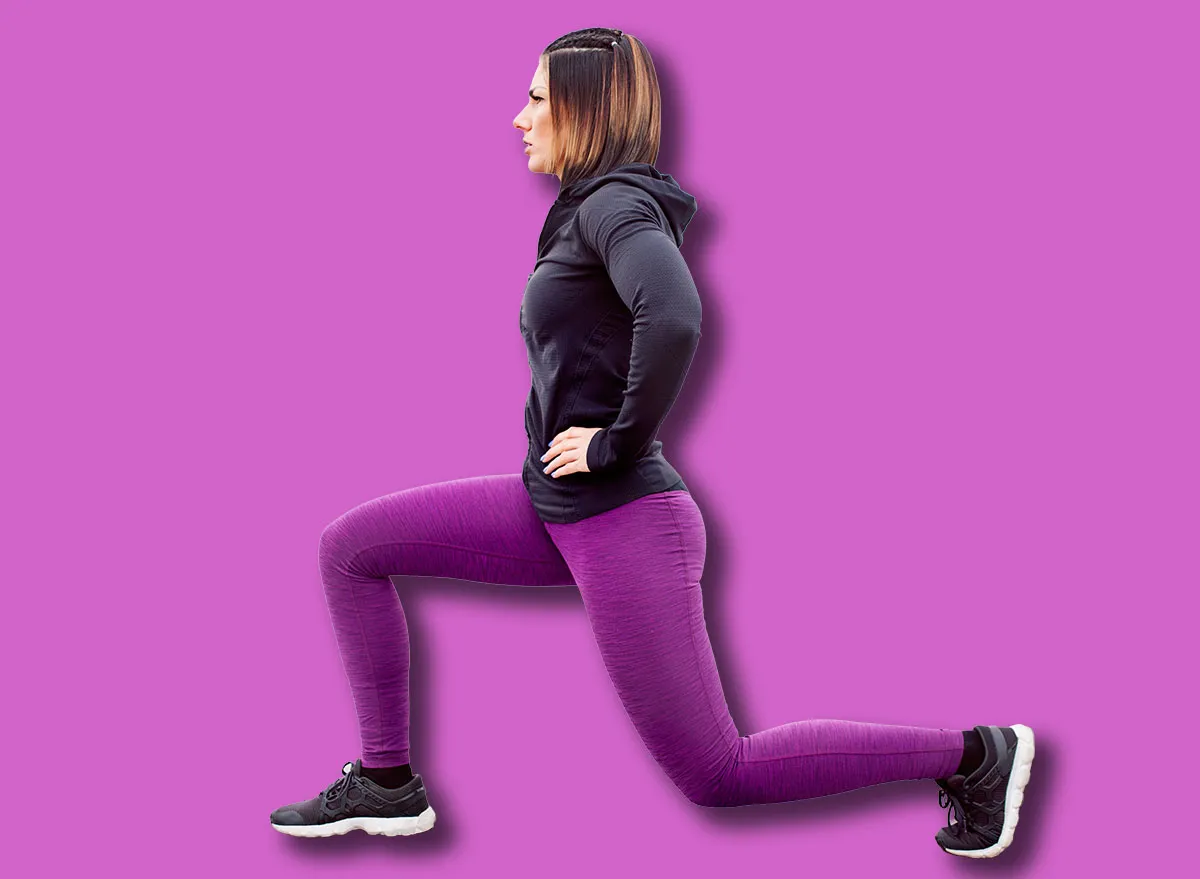

You reach a point after 45 where strength, control, and stamina feel more meaningful than ever. Your body rewards the effort you put into it, especially when you challenge yourself with movements that demand full-body coordination. Bodyweight training delivers that challenge without equipment or complicated setups. It forces your muscles, joints, and cardiovascular system to work together every time you drive through a rep.
Elite fitness after 45 comes from how well you can move, stabilize, and produce force under fatigue. That standard rises when you link demanding exercises together without resting. Your breathing rate climbs, your muscles fight to keep pace, and your mind learns to stay sharp through discomfort. This combination gives you a unique blend of strength and grit that you can’t fake.
These four bodyweight exercises reveal whether your current routine builds real physical resilience. They test your power, balance, mobility, and core strength. If you can complete all four back-to-back, your fitness isn’t just solid. It’s elite. Let’s break them down.
Pushups
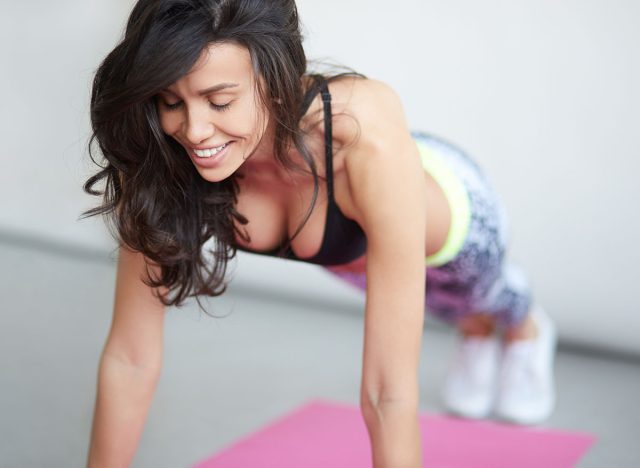
Pushups build upper-body strength, core stability, and total-body coordination. They light up your chest, shoulders, triceps, and midsection with every rep. The movement also ramps up your heart rate, which challenges your conditioning as you fatigue. When you hold a strong technique through the entire set, you show real power and control.
Muscles Trained: Chest, shoulders, triceps, core
How to Do It:
- Set your hands under your shoulders and brace your core.
- Lower your chest toward the floor by pulling your elbows toward your ribs.
- Keep your spine aligned and avoid dropping your hips.
- Press through your palms and lift your body to the top.
- Lock in your posture and repeat for clean reps.
Performance Rankings:
- Elite: 30+ reps unbroken
- Strong: 20 to 29 reps
- Developing: 10 to 19 reps
- Needs Work: Fewer than 10 reps
Best Variations: Close-grip pushups, decline pushups, slow-tempo pushups
Form Tip: Squeeze your glutes and quads before each rep to stay locked into a solid plank.
Split Squats
Split squats build single-leg strength, hip stability, and balance. They teach your legs to generate force without help from momentum. The deep range of motion strengthens your glutes and quads while improving control through your knees and hips. When fatigue hits, the movement forces your body to stay organized and intentional with every rep.
Muscles Trained: Glutes, quads, hamstrings, core
How to Do It:
- Set one foot forward and one foot back.
- Lower your back knee toward the floor while keeping your chest tall.
- Push through your front foot to rise to the top.
- Keep your hips squared and your core tight.
- Switch sides and match your reps.
Performance Rankings (per leg):
- Elite: 20+ reps
- Strong: 15 to 19 reps
- Developing: 10 to 14 reps
- Needs Work: Fewer than 10 reps
Best Variations: Rear-foot elevated split squats, tempo split squats, pulse reps
Form Tip: Drive through your full front-foot footprint for balance and power.
Plank Walkouts
Plank walkouts test your core strength, shoulder stability, and total-body control. The long-lever position forces your midsection to resist extension as you reach farther from your base. The movement also stretches your hamstrings and builds shoulder endurance. When you perform walkouts without rest, your core learns to stay braced through an extended range.
Muscles Trained: Core, shoulders, chest, upper back
How to Do It:
- Stand tall with your feet hip-width apart.
- Reach down and place your hands on the floor.
- Walk your hands forward into a strong plank.
- Brace your core and keep your hips level.
- Walk your hands back and return to standing.
Performance Rankings:
- Elite: 15+ walkouts unbroken
- Strong: 10 to 14 walkouts
- Developing: 6 to 9 walkouts
- Needs Work: Fewer than 6 walkouts
Best Variations: Walkouts to pushup, slow-tempo walkouts, wide-stance walkouts
Form Tip: Keep your ribs pulled down to protect your lower back.
Squat Jumps
Squat jumps test lower-body power, coordination, and conditioning simultaneously. They engage fast-twitch muscle fibers that help you move explosively. The landing phase strengthens your joints and trains better impact control. When you repeat each rep with purpose, you develop strength that translates to everyday movement.
Muscles Trained: Quads, glutes, calves, core
How to Do It:
- Stand with your feet shoulder-width apart.
- Sit your hips back and lower into a strong squat.
- Drive through the floor and jump straight up.
- Land softly with your knees lined up over your toes.
- Reset your position and jump again.
Performance Rankings:
- Elite: 25+ squat jumps unbroken
- Strong: 18 to 24 jump squats
- Developing: 12 to 17 jump squats
- Needs Work: Fewer than 12 jump squats
Best Variations: Tuck jumps, tempo squat jumps, squat jump to broad jump
Form Tip: Land with quiet feet to stay light, stable, and in control.