4 Standing Moves That Reverse Muscle Loss Better Than the Gym After 50
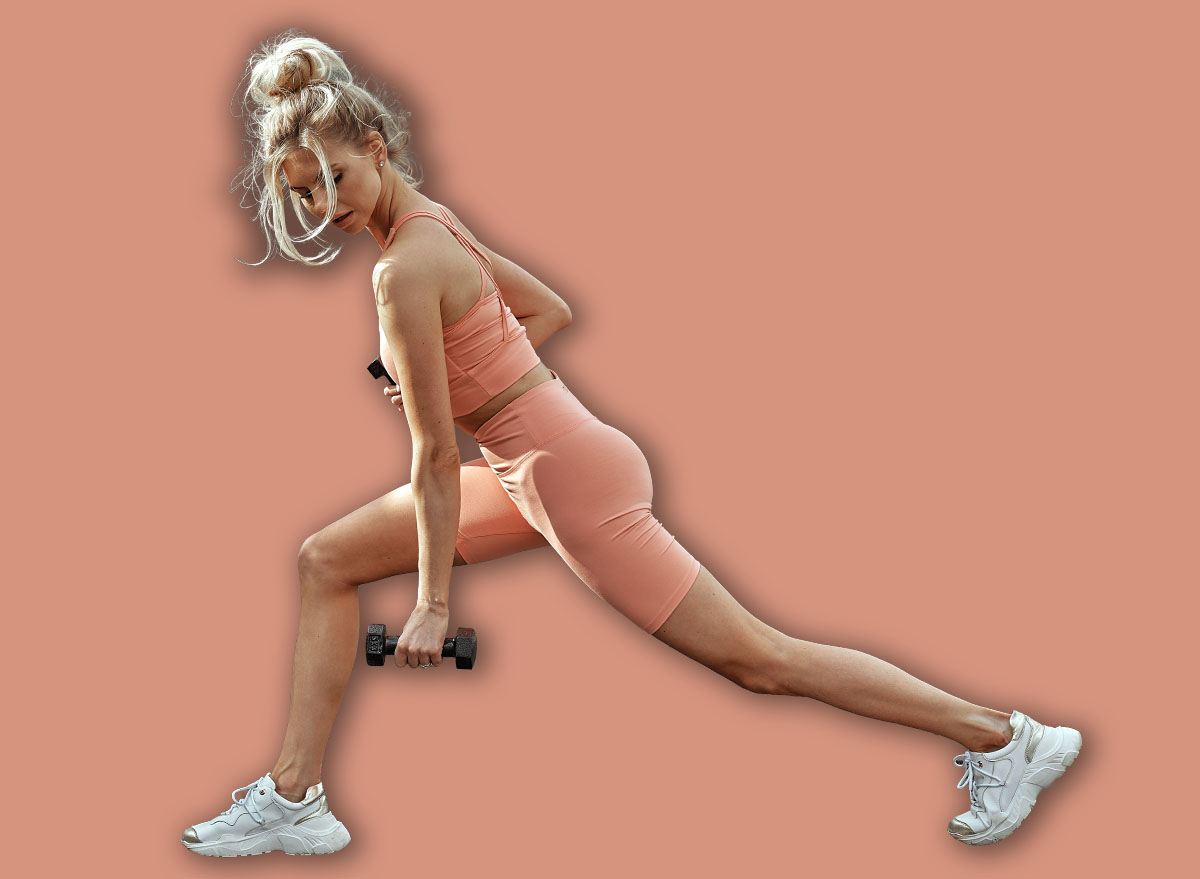

Muscle loss after 50 doesn’t happen overnight, but it accelerates quickly when your routine relies too much on machines and not enough on natural, full-body movement. Gym equipment often locks you into fixed paths that reduce stabilizer activation, limit range of motion, and place your joints in angles that don’t always match how your body naturally moves. Standing exercises flip that pattern by forcing your muscles to coordinate, balance, and fire together in ways machines simply don’t train. This shift creates the kind of functional strength that supports your posture, protects your joints, and slows age-related muscle decline far more effectively.
When you move on your feet, your body recruits deep stabilizers along your hips, legs, shoulders, and core, the exact muscles that shrink fastest with age. Every rep demands balance, tension, and control, which sparks significantly more muscle engagement than pushing or pulling in a seated machine. Standing work also trains your nervous system to react faster, improving coordination, movement confidence, and long-term strength. These benefits compound over time, especially when you pair slow, intentional movements with full-range mechanics.
This routine strengthens the muscles you rely on every day: the legs that support your stride, the hips that stabilize your spine, and the upper-body muscles that keep your shoulders lifted and mobile. Each move builds strength through natural patterns you use in walking, bending, twisting, and reaching, making the results both powerful and practical. With consistent practice, your muscles rebuild firmness, your balance sharpens, and your body moves with a level of strength most people never reclaim after 50. Stand tall, engage your core, and work through these movements slowly, the payoff comes fast.
Standing Hip Hinge Rows
This movement builds upper-back, core, and posterior-chain strength while training balance and coordination, a combination machine rows don’t deliver. As you hinge at your hips, your hamstrings and glutes activate to support your spine, and the standing row motion engages your lats, rhomboids, and mid-back stabilizers. The hinge demands constant bracing through your torso, which teaches your body to control movement under load instead of relying on a machine’s fixed path. This single pattern reverses muscle loss through multiple chains at once and builds practical, everyday strength.
How to Do It:
- Stand tall with feet hip-width apart.
- Hinge forward slightly with your back flat and arms extended.
- Pull your elbows back as if rowing, squeezing your shoulder blades.
- Extend your arms again with slow control.
- Continue for 10–12 reps.
Split-Stance Arm Drives
This standing drill lights up your hips, legs, core, and shoulders with a powerful cross-body pattern that no gym machine can replicate. The split stance forces your lower body to stabilize while your upper body moves, challenging balance and coordination while building strength through multiple muscle groups. As you drive your arms forward and back, your core braces to keep your torso tall, firing stabilizers that often weaken with age. This combination builds real-world strength used in walking, climbing stairs, and preventing falls, making it one of the most functional muscle-building patterns after 50.
How to Do It:
- Step one foot forward into a small lunge stance.
- Keep your torso tall and arms bent at 90 degrees.
- Drive one arm forward while the other pulls back, like a power walk.
- Switch the drive rhythm as you hold the split stance.
- Continue for 40–60 seconds, then switch legs.
Standing Lateral Leg Lifts with Reach
This move restores strength in your glutes, hips, and obliques, three muscle groups that weaken quickly with age and contribute to balance issues. Standing on one leg forces your stabilizers to fire immediately, while the lateral lift strengthens the outer hip responsible for walking power and pelvic control. Adding a controlled reach amplifies core engagement and forces your body to work as a connected unit instead of isolated pieces. This pattern creates lean, functional strength you’ll feel in every step you take.
How to Do It:
- Stand tall and shift your weight onto one leg.
- Lift the opposite leg out to the side with slow control.
- Reach the same-side arm overhead or slightly forward.
- Lower the leg and arm together.
- Continue for 30–45 seconds per side.
Standing Cross-Body Press-Outs
This standing movement builds upper-body, core, and hip strength through rotational tension, something machines rarely train effectively. As you press your hands forward, your core braces to resist twisting, activating deep stabilizers that protect your spine and reinforce posture. The cross-body angle engages your shoulders, chest, and obliques while your legs hold steady underneath you. This pattern wakes up the muscles responsible for everyday strength and helps reverse age-related decline through controlled, total-body tension.
How to Do It:
- Stand with feet hip-width apart.
- Hold your hands together at chest height.
- Press your hands forward diagonally across your body without rotating your torso.
- Return to the start and repeat.
- Perform 10–12 reps per side.