5 Bodyweight Moves That Fight Muscle Loss Better Than Gym Workouts After 60
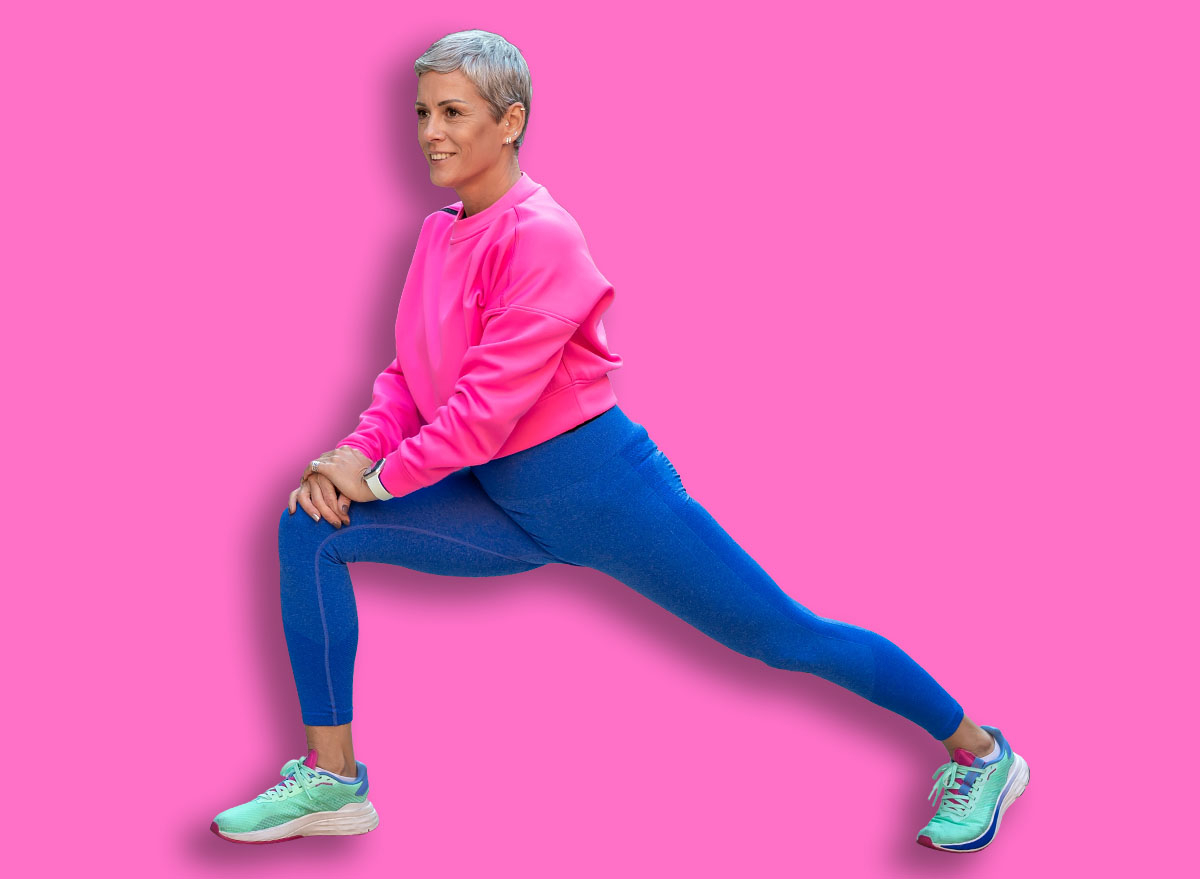

Age brings a natural decline in muscle tissue, and that process begins long before most people expect it. Your body gradually loses strength, power, and stability when your muscles stop receiving enough stimulus. Daily movement, stress, and wear also play a role, and hormonal changes after 60 can accelerate that breakdown. Muscle loss affects balance, energy, and your ability to do the activities you enjoy, which is why purposeful training matters more than ever.
Consistent exercise signals your muscles to stay strong. It encourages your body to build new fibers, improve coordination, and preserve the tissue you already have. Strength work also improves bone density, supports healthier joints, and helps you maintain a higher metabolism. When you move with intent several times per week, your muscles stay responsive and capable rather than slipping into a slow decline.
Bodyweight training fits perfectly into this stage of life because it allows you to build real-world strength without complicated equipment. Your joints move through natural patterns, your core stays involved in every rep, and you can adjust almost any movement to match your current ability. Each exercise challenges your stability, mobility, and force production, keeping your muscles active and engaged. Here are five bodyweight moves that support strong, healthy muscle after 60.
Incline Push-Up
Incline push-ups build upper-body strength while reducing strain on your wrists and shoulders. The elevated position still challenges your chest, triceps, and core, but it helps you maintain solid form through the entire range of motion. This movement increases muscle activation without overwhelming your joints. The incline also encourages better control, which leads to cleaner reps and stronger results. Consistent practice improves pressing strength, which carries over into daily tasks like pushing, lifting, and supporting your bodyweight.
Muscles Trained: Chest, Shoulders, Triceps, Core
How to Do It
- Place your hands on a bench, countertop, or sturdy table.
- Step back with your feet and create a straight line from your head to your heels.
- Lower your chest toward the edge while keeping your elbows close to your sides.
- Press your body upward until your arms reach full extension.
- Keep your core tight and your glutes lightly engaged through every rep.
Recommended Sets and Reps: Knock out 3 sets of 8 to 12 reps. Rest for 60 seconds between each set.
Best Variations: Wall Push-Up, Decline Push-Up, Close-Grip Push-Up
Form Tip: Squeeze your glutes to keep your hips from sagging.
Alternating Reverse Lunge
Reverse lunges strengthen the legs and hips in a controlled, knee-protecting pattern. Stepping backward keeps your weight centered and creates a stable base, which helps you maintain balance as you lower. This move activates the quads, glutes, and hamstrings, muscles that often weaken quickly with age. It also promotes healthier stride mechanics and gives your body a safe way to rebuild lower-body strength. Improved strength in this pattern makes walking, climbing stairs, and daily movement feel more secure.
Muscles Trained: Quads, Glutes, Hamstrings, Core
How to Do It
- Stand tall with your chest up and your feet hip-width apart.
- Step one leg back and lower into a lunge with your front knee over your ankle.
- Push through your front heel and return to the starting position.
- Switch sides and repeat the movement.
- Keep your core tight and your torso tall throughout the set.
Recommended Sets and Reps: Perform 3 sets of 6 to 10 reps per leg. Rest for 60 seconds between each set.
Best Variations: Split Squat, Forward Lunge, Lateral Lunge
Form Tip: Push through your front heel to keep your balance and engage your glutes.
Bodyweight Renegade Row
Bodyweight renegade rows challenge your upper back and core simultaneously. Holding a plank position forces your midsection to stabilize as your arms resist gravity. This pattern builds strength through the lats, shoulders, and spinal stabilizers, which are essential for posture and injury prevention. The single-arm nature of the movement encourages your body to resist rotation, creating powerful anti-rotation strength that supports your spine during daily tasks. It combines multiple benefits into one simple, joint-friendly drill.
Muscles Trained: Lats, Shoulders, Biceps, Core
How to Do It
- Start in a plank position with your hands under your shoulders.
- Shift your weight into one hand without rotating your hips.
- Lift the opposite hand off the floor and pull your elbow toward your rib cage.
- Lower your hand back to the floor with control.
- Switch sides and repeat for the complete set.
Recommended Sets and Reps: Knock out 3 sets of 6 to 8 reps per side. Rest for 60 seconds between each set.
Best Variations: Kneeling Renegade Row, Wide-Base Renegade Row, Plank Shoulder Tap
Form Tip: Keep your hips steady to get full core activation. A kneeling variation is an excellent place to start!
Bodyweight Good Morning
Good mornings strengthen the backside of your body, an area that often weakens with age and leads to low-back problems. This movement teaches your hips to hinge properly, improving your ability to bend, lift, and move safely. It targets the hamstrings, glutes, and spinal erectors while keeping the load light and joint-friendly. Practicing this hinge pattern builds strength you can use in everyday life, from picking up groceries to standing up from a seated position.
Muscles Trained: Hamstrings, Glutes, Lower Back, Core
How to Do It
- Stand tall with your feet hip-width apart and your hands behind your head.
- Push your hips backward while keeping a soft bend in your knees.
- Lower your chest until it reaches a comfortable angle.
- Drive your hips forward to return to standing.
- Keep your spine long and your core braced through the entire movement.
Recommended Sets and Reps: Perform 3 sets of 12 to 15 reps. Rest for 45 seconds between each set.
Best Variations: Banded Good Morning, Single-Leg Good Morning, Hands-Forward Good Morning
Form Tip: Keep your weight on your heels to activate your hamstrings.
Plank with Hip Dips
Plank hip dips challenge your obliques and deep core stabilizers in a rotational pattern that keeps your spine strong. This movement strengthens the muscles that protect your lower back and support your posture. Each dip encourages controlled motion while preventing unwanted twisting, which enhances stability during daily tasks. Strong obliques also contribute to better balance and reduce the risk of falls.
Muscles Trained: Obliques, Transverse Abdominis, Rectus Abdominis, Shoulders
How to Do It
- Start in a forearm plank with your body in a straight line.
- Rotate your hips toward one side and tap the floor lightly.
- Lift your hips back to the center.
- Repeat the motion on the other side.
- Keep your core tight and your shoulders level throughout the movement.
Recommended Sets and Reps: Knock out 3 sets of 12 to 20 total reps. Rest for 45 seconds between each set.
Best Variations: Side Plank Hold, Plank Knee Drive, High Plank Hip Dip
Form Tip: Keep your ribs pulled in to protect your lower back.
The Best Tips for Staying Strong and Capable After 60

Aging brings changes that challenge your muscles, joints, coordination, and recovery, but clever training keeps your body resilient. Strength training improves your confidence, boosts your metabolism, and helps your body better respond to the demands of daily life. When you give your body consistent movement, it continues to build tissue and improve function long after many people stop training. Add these habits to support your strength, energy, and overall fitness year-round.
- Move with purpose every week: Hit two to four strength sessions that target your entire body and encourage real-world movement patterns.
- Prioritize protein daily: Aim for 25 to 30 grams per meal to support muscle growth and recovery.
- Use progressions: Increase range of motion, tempo, or volume to keep your muscles challenged.
- Protect your joints: Warm up with mobility drills that help your hips, shoulders, and spine work smoothly.
- Sleep deeply: Your body repairs muscle tissue and balances hormones during high-quality sleep.
- Walk every day: Walking improves circulation, burns calories, and supports recovery between strength days.