4 Bed Exercises That Rebuild Core Strength Faster Than Planks After 60
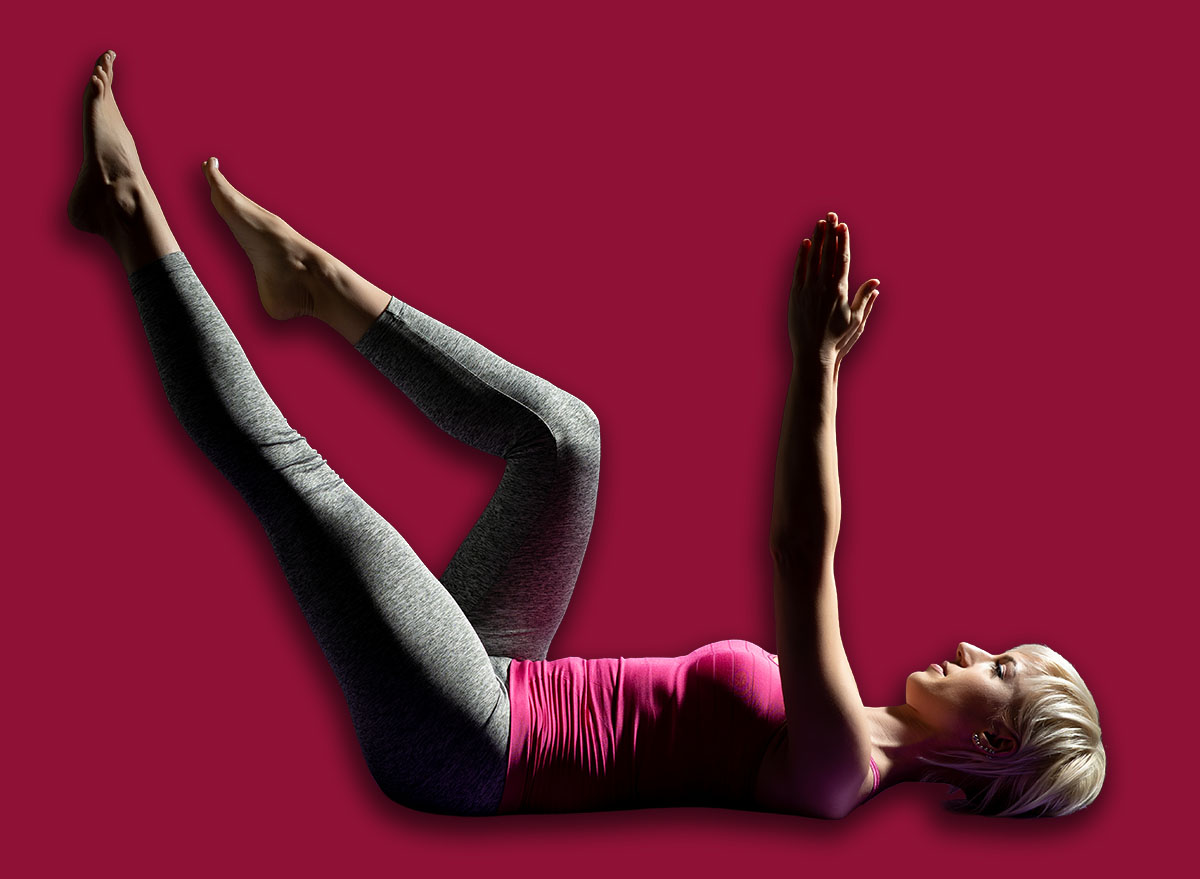

Core weakness affects nearly every movement after 60. Standing up, walking steadily, climbing stairs, reaching overhead, and maintaining posture all depend on strong abdominal and deep stabilizing muscles. Many adults try planks hoping to strengthen their core, but planks often place too much pressure on the shoulders, wrists, and lower back while forcing people to hold uncomfortable positions. That discomfort usually shortens workouts and reduces consistency, which limits long-term progress.
Bed exercises create a far more approachable way to rebuild core strength safely and effectively. The soft surface supports the spine while allowing the abs, hips, and lower back to work through controlled movement patterns that improve stability and coordination. Unlike traditional planks, these exercises strengthen the core dynamically instead of relying entirely on static holds. That approach builds practical strength that transfers directly into everyday movement without excessive strain on the joints.
The four exercises below activate the deep abdominal muscles while improving posture, pelvic control, and trunk stability. Each movement challenges the core from a different angle while remaining gentle enough for consistent daily practice. Stick with these exercises and your midsection will feel stronger, steadier, and more supportive during everyday activity.
Bed Dead Bugs
Dead bugs rebuild deep core stability better than many advanced abdominal exercises because they force the trunk to resist movement while the arms and legs work independently. Many adults over 60 struggle with lower-back tightness and poor posture because the deep abdominal muscles stop activating properly during movement. This exercise restores that control while keeping the spine supported against the bed. The slow alternating motion strengthens coordination between the upper and lower body while teaching the abs to brace naturally. Unlike planks that often create neck tension and shoulder fatigue, dead bugs allow focused core engagement without unnecessary strain. Performed with control, this movement quickly improves trunk stability and lower-body coordination.
How to Do It
- Lie on your back on the bed
- Raise your knees to 90 degrees
- Extend your arms toward the ceiling
- Tighten your core gently
- Lower one arm and the opposite leg slowly
- Keep your lower back stable
- Return to the starting position
- Alternate sides for 10 repetitions per side
Glute Bridge Holds
Strong glutes and a strong core work together during nearly every daily movement. When the hips weaken, the lower back and stomach area lose stability and posture starts collapsing forward. Glute bridge holds strengthen the backside while forcing the core to stabilize continuously during the lifted position. The bed creates a comfortable setup that reduces joint pressure while still allowing strong muscular contractions through the hips and abdominals. Adults over 60 often notice improved balance and easier standing movement after adding bridge holds consistently. The longer the body maintains tension during the hold, the more the deep core muscles activate to support the spine.
How to Do It
- Lie on your back with knees bent
- Keep your feet flat on the bed
- Press through your heels
- Lift your hips upward
- Tighten your glutes and core
- Hold the top position for 10 to 20 seconds
- Lower slowly with control
- Repeat for 5 to 8 rounds.
Bedside Toe Taps
Toe taps strengthen the lower abdominal muscles while improving pelvic control and coordination. Many adults lose lower-core strength because traditional ab exercises encourage momentum instead of controlled movement. This exercise forces the deep stabilizers to stay active while the legs move independently. The gentle tapping motion challenges the abs without placing pressure on the neck, shoulders, or lower back. Because the movement stays slow and controlled, the muscles surrounding the spine remain engaged the entire time. Consistent practice helps improve walking stability, posture, and lower-body control during everyday movement.
How to Do It
- Lie on your back with knees bent at 90 degrees
- Tighten your core gently
- Keep your lower back stable
- Lower one foot toward the bed slowly
- Tap the toes lightly
- Return to the starting position
- Alternate sides continuously
- Perform 10 to 12 repetitions per leg.
Side-Lying Core Crunches
Side-lying core crunches target the obliques and deep trunk stabilizers that support balance and spinal control. Many adults focus only on front-facing abdominal exercises while ignoring the muscles responsible for side-to-side stability. Weak obliques often contribute to poor posture, reduced balance, and slower walking mechanics after 60. This movement strengthens the waistline while improving coordination through the hips and trunk. The side-lying position also removes unnecessary strain from the neck and lower back, making the exercise far more comfortable than traditional floor crunches or extended plank holds. Slow repetition creates excellent muscular tension without requiring aggressive movement.
How to Do It
- Lie on one side with knees slightly bent
- Place one hand behind your head
- Tighten your core gently
- Lift your shoulders slightly upward
- Squeeze through your side abdominal muscles
- Lower slowly with control
- Keep the movement smooth
- Complete 10 to 12 repetitions per side.