The 5 Bodyweight Moves That Firm Your Belly Pooch Faster Than Crunches After 55
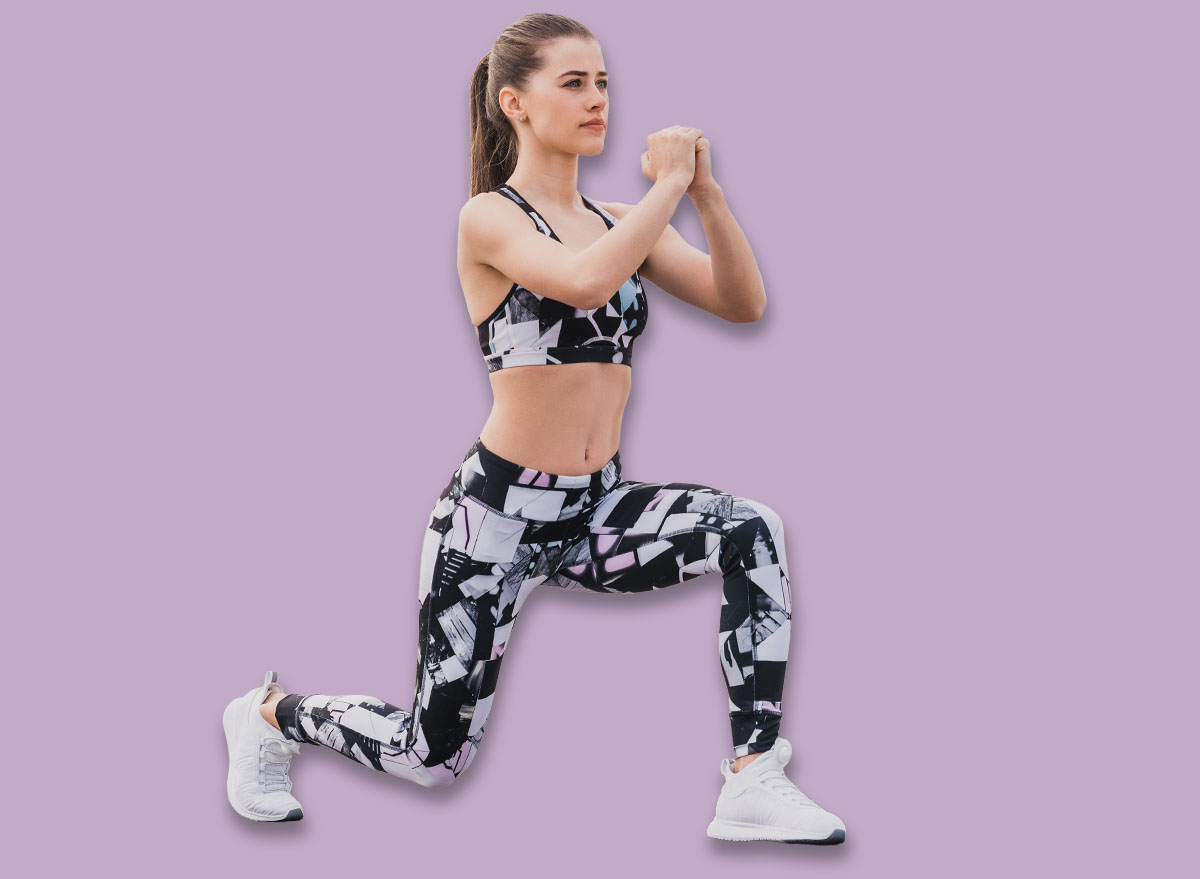

If you’ve spent years doing crunches in hopes of flattening your midsection, you’re not alone. For decades, crunches were marketed as the go-to exercise for trimming belly fat and revealing stronger abs. The problem? That’s not how fat loss works.
Research shows that spot reduction, which is the idea that you can burn fat from a specific area by exercising nearby muscles, is a myth. Training your abs won’t selectively burn fat from your stomach any more than bicep curls will eliminate fat from your arms. However, that doesn’t mean exercise isn’t essential for fat loss.
The best way to reduce body fat around your waistline and tone your midsection involves increasing your physical activity, maintaining muscle mass, and strengthening your entire body. This becomes even more crucial after 55, when age-related muscle loss (known as sarcopenia) begins accelerating if strength training isn’t part of your routine.
“Despite what many fitness headlines suggest, crunches are not the most effective exercise for reducing a ‘belly pooch’,” explains James Brady, CPT, a certified personal trainer at OriGym. “If the goal is to lose body fat and strengthen the midsection after 55, full body movements tend to deliver far greater benefits.”
Read on for Brady’s top five bodyweight moves designed to tone and tighten your midsection faster than crunches after 55. And when you’re finished, don’t miss these 5 Core Moves That Shrink Your Belly Faster Than Crunches After 55.
Bodyweight Squats
Squats are one of the best compound exercises you can do for building total body strength. They work your quads, glutes, hamstrings, and core while torching calories and increasing functional strength.
“Bodyweight squats are an excellent place to start,” says Brady. “They recruit large muscle groups in the legs and glutes, increasing energy expenditure while also improving lower body strength and mobility.”
How to do it:
- Stand with your feet approximately shoulder-width apart.
- Keep your chest lifted and your eyes forward.
- Flex your ab muscles.
- Push your hips backward as if sitting into a chair.
- Bend your knees and lower under control.
- Keep your weight evenly distributed through your feet.
- Lower as far as comfortable while maintaining good form.
- Pause for one to two seconds at the bottom of the movement.
- Push through your heels to stand.
- Complete two to three sets of 10 to 15 reps. Rest for 60 to 90 seconds between sets.
Mountain Climbers
“Mountain climbers combine core training with cardiovascular exercise,” explains Brady.. “The movement challenges your abdominals while elevating your heart rate, making it a more dynamic option than traditional crunches.”
How to do it:
- Begin in a high plank position.
- Place your hands directly beneath your shoulders.
- Create a straight line from head to toe.
- Engage your core muscles.
- Drive your right knee toward your chest.
- Return your leg to the starting position.
- Immediately bring your left knee forward.
- Continue alternating sides in a controlled rhythm.
- Aim for two to three rounds of 20 to 40 seconds. Rest for 45 to 60 seconds between rounds.
Push-ups
Push-ups are often considered strictly an upper body exercise, but they require substantial core engagement to help maintain proper body alignment. They also engage your chest, shoulders, triceps, and glutes, which helps build total body strength and burn more calories.
How to do it:
- Start in a high plank position.
- Place your hands slightly wider than shoulder-width apart.
- Engage your core and glutes.
- Keep your body in a straight line.
- Slowly bend your elbows.
- Lower your chest toward the floor.
- Keep your elbows angled slightly backward.
- Pause for one to two seconds near the bottom position.
- Push through your palms to return to the top of the movement.
- Perform two to three sets of 8 to 15 reps. Rest for 45 to 60 seconds between sets.
Plank
Unlike crunches, planks teach your core to resist movement, which is a crucial function during daily activities that support healthy aging. “Planks remain one of the best exercises for developing core endurance,” says Brady.
How to do it:
- Get into a plank position on your forearms and toes.
- Position your elbows directly beneath your shoulders.
- Create a straight line from your head to toe.
- Tighten your core muscles.
- Engage your glutes and legs.
- Keep your back and neck straight.
- Avoid allowing your hips to sag.
- Breathe steadily through your nose during the hold.
- Flex your core during the entire hold.
- Hold for 20 to 60 seconds and repeat for two to three rounds. Rest for 60 to 90 seconds between holds.
Walking Lunges
Walking lunges put your strength, balance, coordination, and mobility to the test. Because the exercise works one leg at a time, it also helps improve stability in your lower body, which is essential for balance and fall prevention as you age.
How to do it:
- Stand tall with your feet together.
- Engage your core and maintain a tall, upright posture.
- Step forward with one leg.
- Lower until both knees are bent comfortably.
- Keep your front knee aligned over your ankle.
- Push through your front foot.
- Bring your back leg forward into the next step.
- Continue alternating legs as you move forward.
- Complete two to three sets of 8 to 12 reps per leg, resting for 60 to 90 seconds between sets.